XPS is back, baby!
Dell ditches Apple-inspired branding and returns to its XPS roots
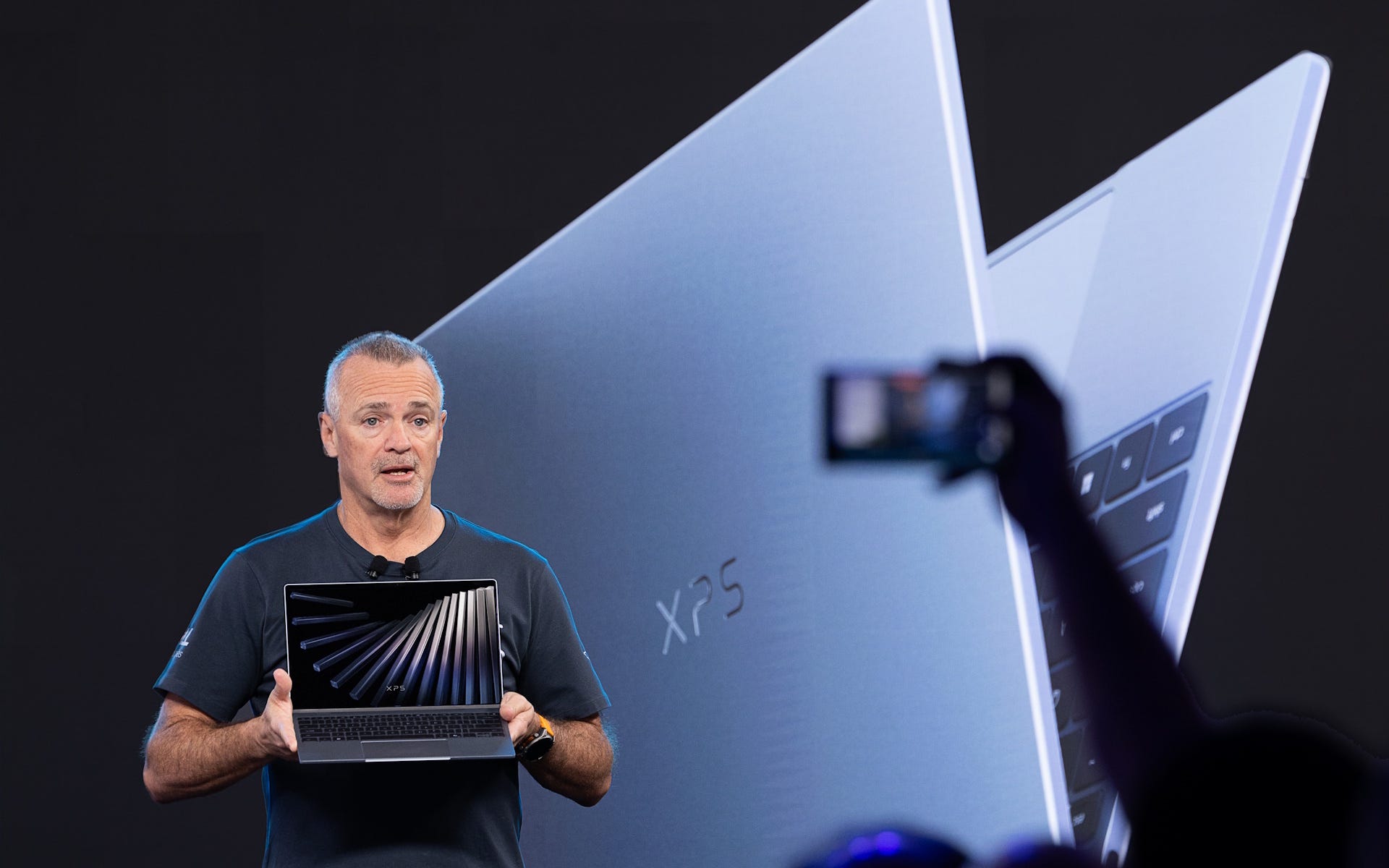
A year on from Apple-ifying its branding, Dell has made an U-turn, and gone back to its roots. During a pre-briefing for CES 2026 — happening this week in Las Vegas — Dell Chief Operating Officer Jeff Clarke apologised for not listening to its customers, before revealing that Dell was bringing back the XPS brand.
It’s rare (and refreshing) to see a high-level executive admit that the company got it wrong. But in hindsight, I wonder if Dell executives were themselves divided over ditching the XPS (and Inspiron and Latitude) laptop branding in the first place. Because if they were serious about it, the execution certainly fell far short.
For one, you would expect Dell to go all out to publicise its new branding. Perhaps this was true for the US and other markets. But in Singapore, my every request for a review unit was met with the same response: The review units weren’t available. So for the first time in years, I didn’t test a single Dell product for the whole of 2025.
Now, I’m not saying I have a right to receive review units. But I couldn’t find any review of Dell products last year on several other major tech review sites in Singapore either. You can make of that what you will.
Anyway, I’m definitely keen to try the new XPS 14 and XPS 16 laptops unveiled at CES 2026. Not only has Dell gone back to the XPS brand, the XPS logo is now front and centre on the laptop lid. Needless to say, the new XPS models look sleek and compact. They also boast the latest hardware, including an option for a tandem OLED screen. I’m also interested to test the new variable refresh rate feature that lets the screen (for the LCD version) go down to 1Hz for static content, similar to smartphone displays, to conserve power.
It’s not just the branding that got reversed. The keyboard on the new XPS laptops has also been changed. Gone are the minimalist “invisible” touchpad and the touch-sensitive Function keys on the older XPS that I found divisive. You now get a subtle delineation of the touchpad, and actual physical keys. A final nail in the coffin for Apple-ification!
But Dell has saved its best for last, teasing a 13-inch XPS that would be coming later this year at the “most accessible price point yet”. I’m not sure how that’s going to work out with the recent hikes in RAM prices, but here’s hoping Dell had the foresight to stock up on memory.
Besides the new XPS laptops, Dell revealed that its Alienware gaming brand will expand to new ultra-slim gaming laptops, and entry-level models later this year. Its 16 Area-51 and 16X Aurora laptops will also get new anti-glare OLED screens.
The PC maker also introduced two new UltraSharp monitors: The Dell UltraSharp 52 Thunderbolt Hub Monitor is a 52-inch 6K monitor that’s targeted at traders and data scientists, while the Dell UltraSharp 32 4K QD-OLED Monitor is a commercial monitor that boasts accurate colours and an anti-glare finish.
Fingers crossed that we’ll be able to get our hands on these new Dell products this year.
In our recent tech reviews, we tried out an entry-level 27-inch monitor from Xiaomi, shot photos and videos using the latest Canon EOS R6 Mark III camera, and tested Samsung’s budget Galaxy Tab A11+ slate.
Xiaomi’s budget Gaming Monitor G27i 2026 is affordable, yet offers a good set of features that would be appreciated by gamers. Now, its Full-HD resolution isn’t ideal for a 27-inch display, but the monitor does have a 200Hz refresh rate, and is decently bright at 400 nits. I also liked the convenience of using a joystick to navigate the OSD settings. Not bad for a S$199 monitor.
With a 32.5MP full-frame CMOS sensor and 40fps photo shooting, the Canon EOS R6 Mark III is adept at both still images and videos. The camera is also fairly light and handy. Its 40fps continuous shooting feature is great if you’re shooting wildlife or sports. Autofocus is fast, snappy, and accurate, while photos have plenty of details, and lovely colours. Finally, its pricing is competitive at S$3,699 for the body.
At S$368, the Samsung Galaxy Tab A11+ is cheaper than the base iPad, which should attract some takers for this 11-inch tablet. It has a microSD card to supplement its limited 128GB storage, and a 3.5mm audio jack for wired headphones. Samsung also promises seven years of software upgrades, though given that this tablet is already relatively slow, I’m not the most optimistic about its the best performance after a few years.


The admission from Clarke is noteworthy but the execution failure tells the real story. When a rebrand doesn't even get proper review unit distribution in major markets, that's not commitment, that's hedging. The XPS brand carried decades of equity, ditching it for minimalist Apple aesthetics without understanding why customers valued the original identitiy was shortsighted. The touchpad and function key reversal shows they finally realizd hardware differentiation matters more than copying competitor design langugage. Curious how the accessible 13-inch pricing plays out with current RAM costs tho.