The consumer is the biggest loser in 2025
Prices going up, up and up
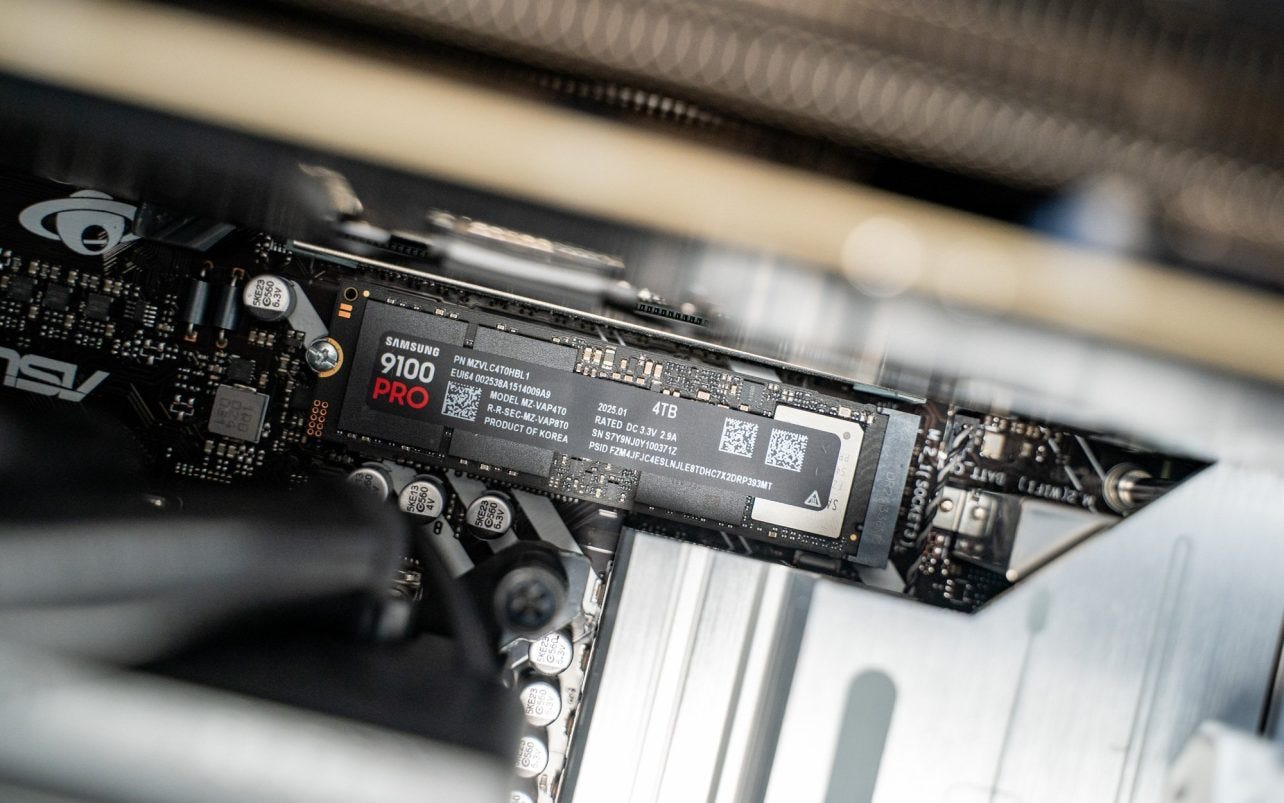
It has been a terrible year for consumers. Just when you think it can’t get worse, there was one more twist of the knife. DRAM prices have gone way up recently (thanks AI). The memory shortage prompted Micron to stop selling its products to consumers, and prices are unlikely to come down anytime soon. In fact, the increase appears to be spreading to SSDs, too.
This inflation is contagious. From Spotify to Netflix to Apple TV+, just about every subscription service has raised prices this year. It doesn’t help that there are more streaming services nowadays. Instead of lowering prices due to competition, consumers often have to juggle multiple platforms to access their desired content. Gamers are also feeling the pinch. No wonder more of us are sailing the seas.
It’s not like we’re getting more after the price hikes. If anything, the enshittification of tech (and most of the internet) continues unabated this year. Windows 11, for example, seems to have gotten worse with each update — more ads, more bugs, and more AI being forced on everyone. We previously discussed Google Search becoming worse with the addition of AI Overview. Even OpenAI’s GPT-5 had a bumpy ride at launch. And let’s not go into social media, where there are more bots now than humans.
Frankly, consumer tech is probably the least of our concerns. Food, healthcare, and housing are much bigger issues for many folks. But even those who are otherwise comfortable may feel that they are being squeezed for everything they have.
Now, it’s not all gloom and doom. The rollout of denser and larger capacity batteries in smartphones from Chinese brands has basically meant that these phones can easily last a day and more. Hopefully, bigger brands like Apple and Samsung will adopt this tech next year. We’ll soon find out if there are other promising tech developments at CES 2026 — I had my eye on Qualcomm’s next-gen chips for laptops, but given the spike in memory prices, I’m less optimistic now.
Meanwhile, our latest reviews include Sony’s latest Inzone gaming headset, the Razer Clio speaker, and JRPG Octopath Traveler 0.
Sony’s latest Inzone H9 II gaming headset has the same audio pedigree as Sony’s flagship consumer WH-1000XM6 headphones, but tuned for gaming instead. This, along with its better-than-average noise cancellation and lightweight build probably explain its relatively high price (S$479 now). But the lack of PS5 integration is the most glaring flaw.
The premise of the Razer Clio is to have your speakers right next to you strapped to your gaming chair. It’s a decent alternative to a gaming headset, but the audio experience varies depending on your sitting posture. But its biggest drawback is the battery life, so you may be removing it to charge more often than you’d like.
The latest installment in the Octopath Traveler JRPG series is adapted from an existing mobile game, but without the gacha elements. It introduces a 8-pax party formation that makes for more strategic battles, and a passable town building mechanic. While the story can feel disjointed, there’s a lot of content, delivered with voice acting and backed by an excellent soundtrack.


