

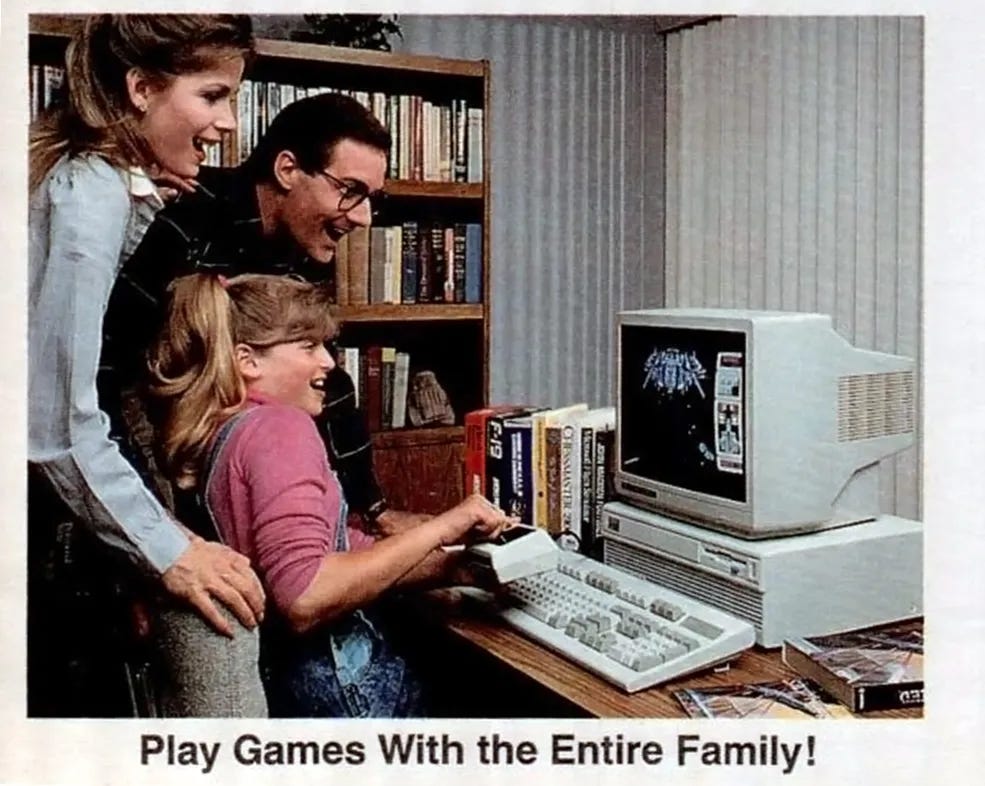
I had a sudden realisation while researching the Asus V600, which is a versatile all-in-one PC that can do a bit of everything at a decently-competent level. Whatever happened to the family PC? You know, that one computer that’s shared by everyone living under the same roof, from grandparents to grandkids.
Or perhaps you don’t. Because the family PC has gradually fallen out of fashion over the past 20 years or so. Simply put, computers, especially portable ones, became much more affordable. First, with the Netbooks and then the Chromebooks. Not forgetting the iPad making tablets a thing, and of course, the now-indispensable smartphone. We, or at least those in well-off countries, now have an abundance of computing devices that come in a variety of form factors.
But back in the day, before the internet, when computers were scarce and expensive, there was just one PC for the entire family. Located in a common area, like the living room or the study, it was the “computer room” for me. That’s where you go when you need to print an assignment. It’s the computer you did your homework on. And if you’re a kid, it’s also the family gaming machine (unless you’re lucky enough to have a Game Boy). Looking back now, this video of a BBC campaign about buying a computer is pretty funny.
I still remember playing Lode Runner and Karateka on my uncle’s Apple II computer when I was a kid, while my cousins looked on. Or bashing out rudimentary code using the BASIC programming language (Hello, world!), and doing word processing on a Creative Cubic PC that my dad bought.
Those ancient blocky and beige computers would have been the WALL-E to the EVE that’s the Asus V600’s sleek white chassis.
Nowadays, most of us probably have our own PCs or even multiple ones. It’s finally a personal computer, not one shared with the family. But some may already have moved on from PCs to a tablet and a smartphone. A few of us could even have switched to carrying a single foldable phone.
But thanks to the global memory shortage, we’re now seeing unprecedented spikes in prices for computers. Other computing devices like smartphones aren’t immune to this trend, though the price hike isn’t that huge — for now. What happens when even older models or budget ones become less accessible? Will the family PC eventually make a return? It wouldn’t be the worst thing — not everyone needs a full-featured computer. Besides, having a shared PC would make it easier for parents to monitor their kids’ usage, and hopefully lower their exposure to brain rot content. That’s a silver lining, I guess.
This week, we tested Samsung’s latest lifestyle speaker, and tried out two games that have just exited Early Access with their official version 1.0 updates.
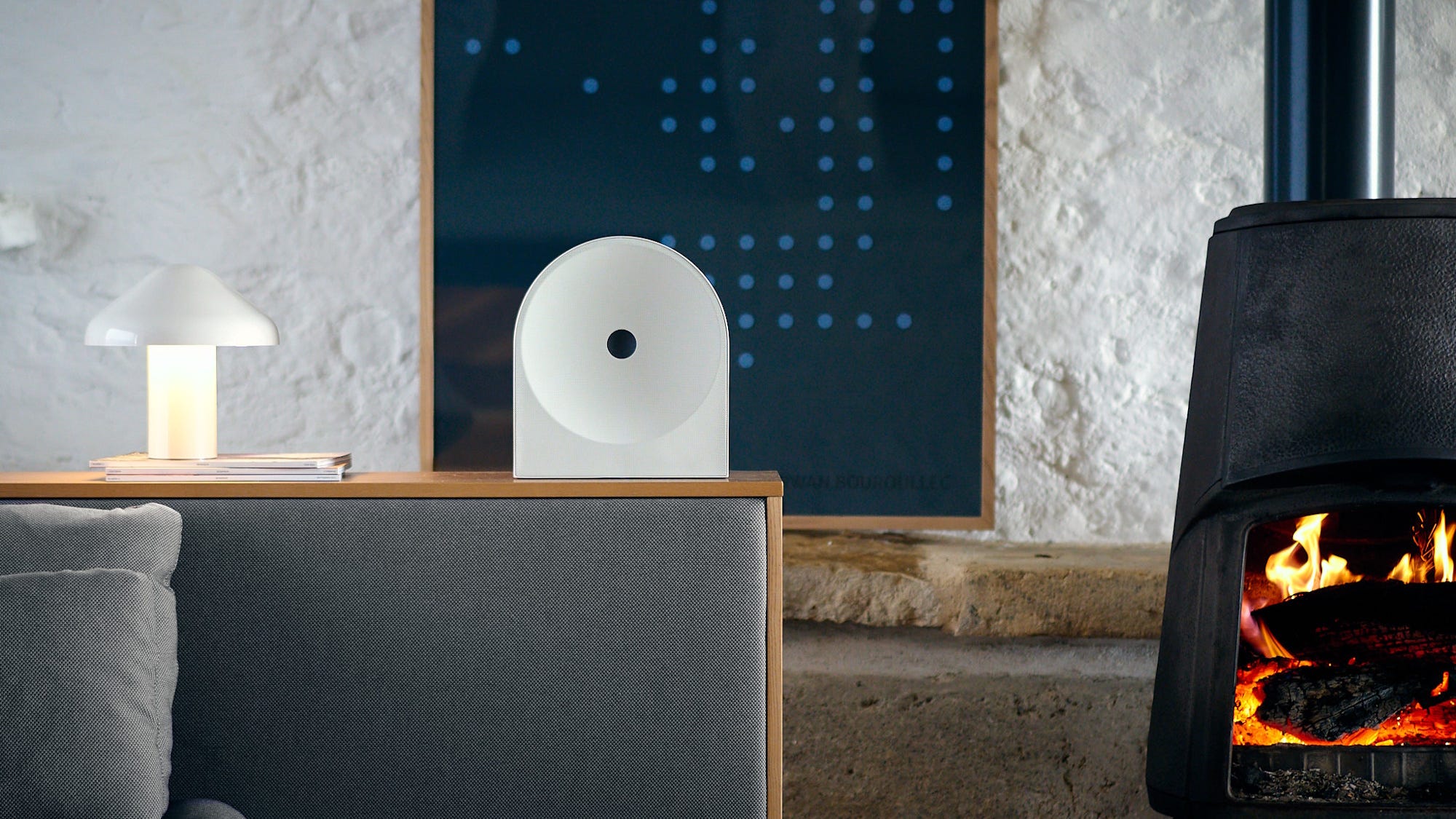
With a stylish, minimalist design that’s guaranteed to draw the eyes, the Samsung Music Studio 5 deserves a place in your home. This speaker offers lots of connectivity options, and plenty of smart features. It also sounds better than you’d expect, especially in the bass department, despite its lack of a subwoofer.
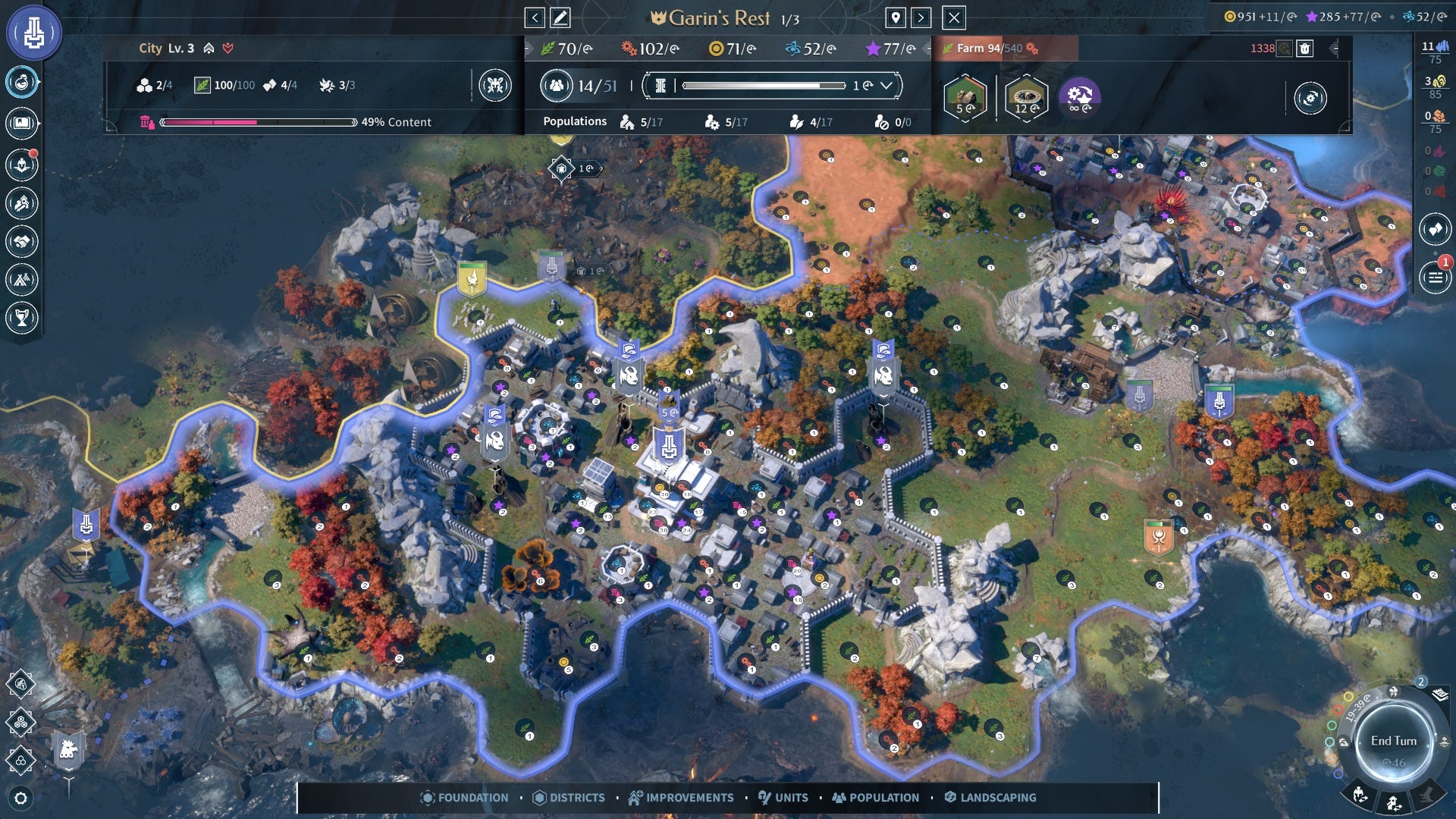
Fantasy 4X strategy game Endless Legend 2 exits Early Access with an update that adds two new rogue factions as well as a new Sandshapers faction that aims to bring the terraformed back to its original desert form. Unlike most 4X games, it has an interesting mechanic where the world evolves as the water level falls, revealing new areas. In short, it’s really fun with lots of depth.
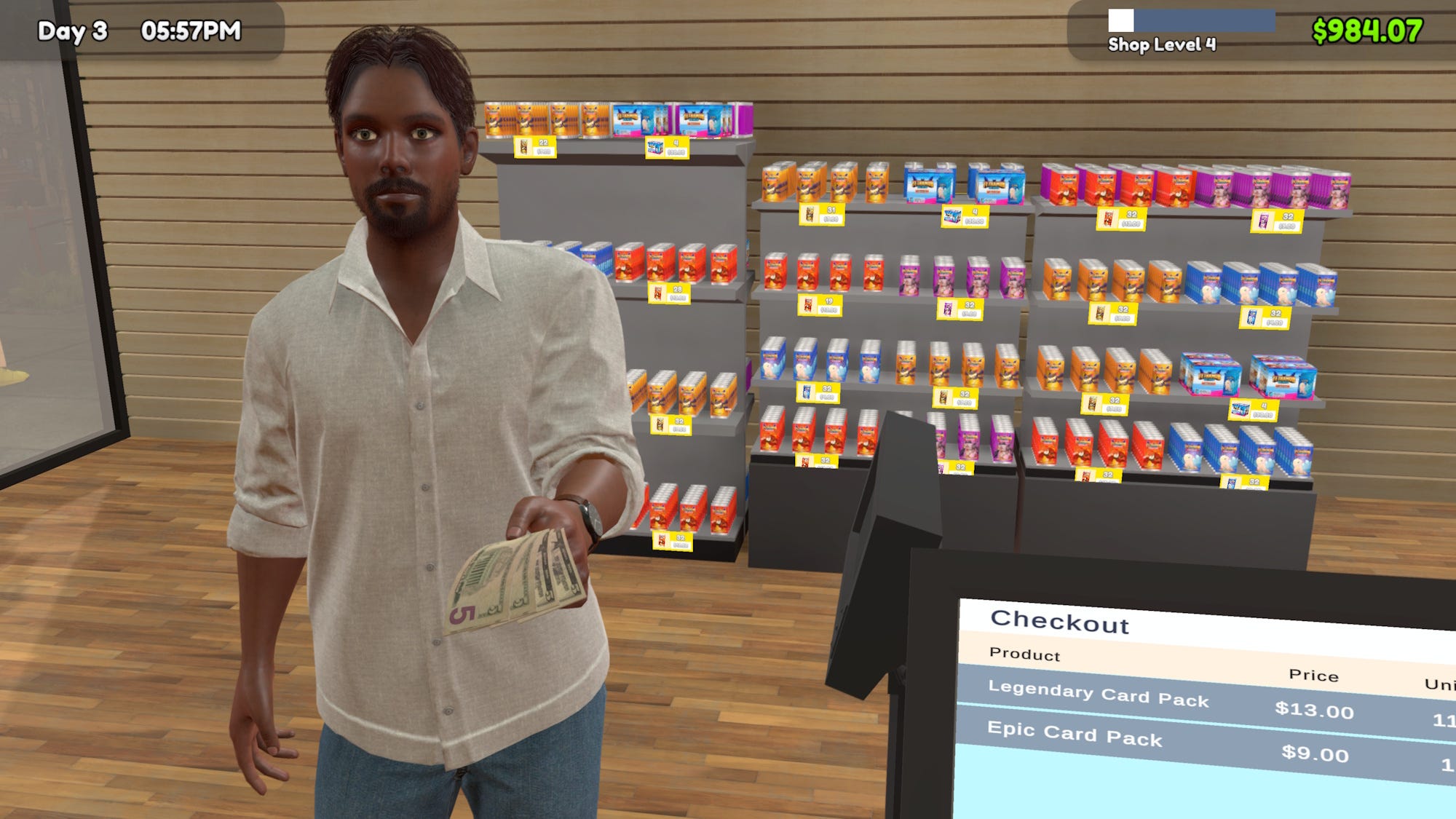
Another game that just reached its Version 1.0 milestone is TCG Card Shop Simulator, which lets you build your own trading card shop. It has sold over 3 million copies so far, with more to come, especially with the new update that lets you play with the trading cards that you have collected in the game, Tetramon Duel Masters. Apparently, it has been requested by many players, though I would say the core gameplay is addictive enough on its own.