

Here’s something no one — especially not the TV promoter at the consumer electronics store — tells you when you buy a large 85-inch TV: YouTube looks terrible on it. Pixelation, compression artifacts, and just generally muddy-looking videos are the norm.
It’s not just YouTube, though. Other streaming services can also look ragged at times, especially for older content. Sometimes, even the so-called 4K videos — looking at you HBO Max — look less than crisp on an ultra-large screen.
It probably doesn’t help that my mid-range TV doesn’t offer top-tier upscaling like premium models. But the real culprit is the relatively low bit-rate for streaming video, at least compared with a 4K Blu-ray disc. The visuals and especially the audio are simply better when playing from a disc.
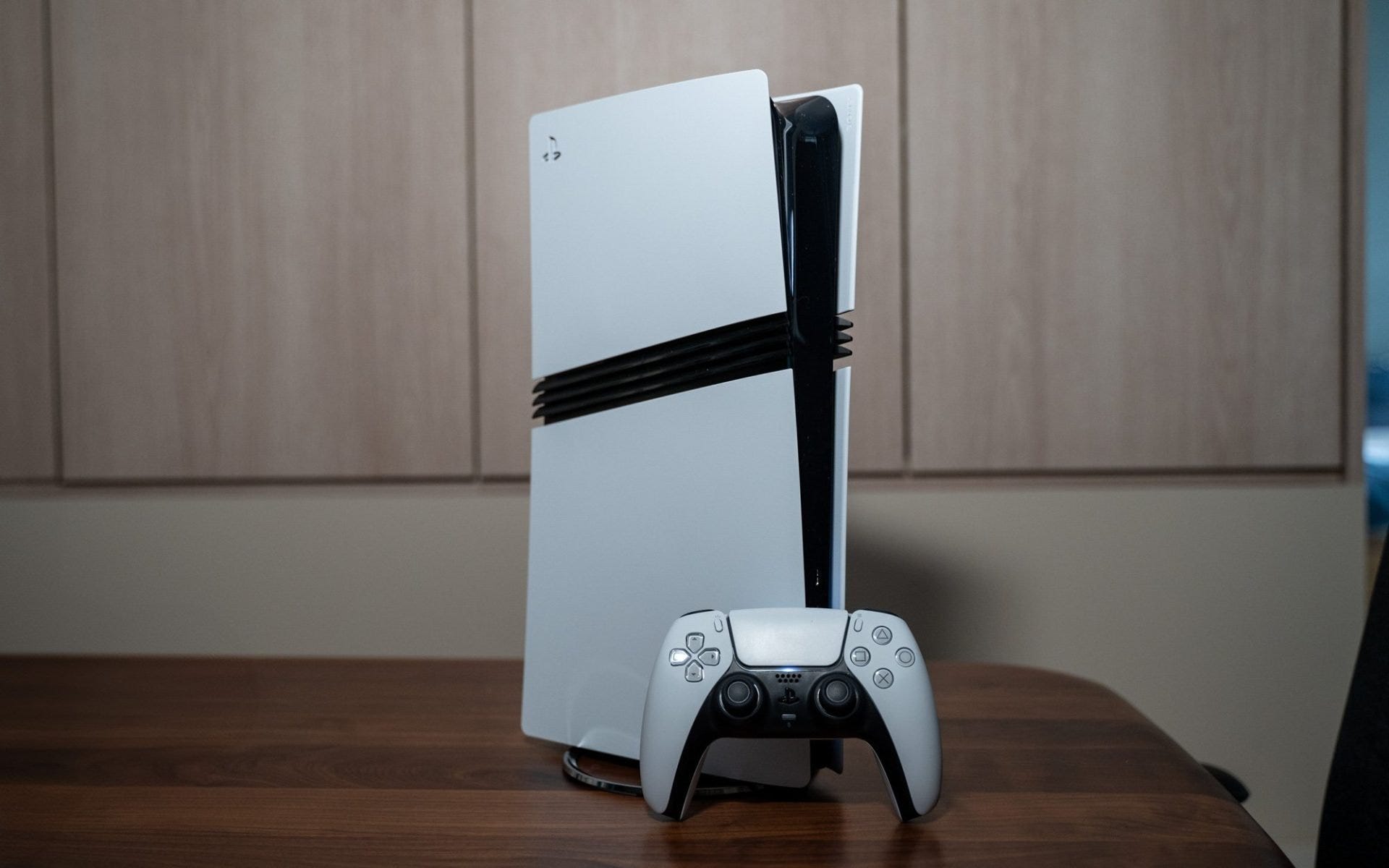
However, the gaming industry seems to think physical media is on the way out — despite reports to the contrary. Sony’s recent decision to stop selling physical discs for new video games from January 2028 was swiftly greeted with a wave of backlash. But even if the public uproar cause Sony to reconsider its decision, it won’t reverse the trend of people buying fewer physical copies. Convenience trumps just about everything in our society.
We moved on from game cartridges, and we’ll move on from Blu-ray discs. But there must be a way to preserve the games when the software developer goes broke or game servers are repurposed for AI.
That’s where Sony dropped the ball. Sony removing movies that were ostensibly sold to consumers shortly before the PlayStation announcement shows a company that’s tone-deaf, and not one that can be trusted to do the right thing. If Sony had made the right noises before the announcement, it could have spared itself a lot of negative publicity.
But it’s not too late. The "Stop Killing Games" campaign in the EU may have failed, but Sony can still create a pathway to ensure games that have reached “end-of-life” remain available for those who purchased them. Else, we all might as well get rid of the whole illusion of buying a game, and mandate companies selling digital products must use the Rent button instead of Buy.
This week, we tested Samsung’s new rebranded microSD cards, which are way more expensive than before, listened to Xiaomi’s latest semi in-ears that boast better ANC, and tested a new Asus Hall Effect gaming keyboard.
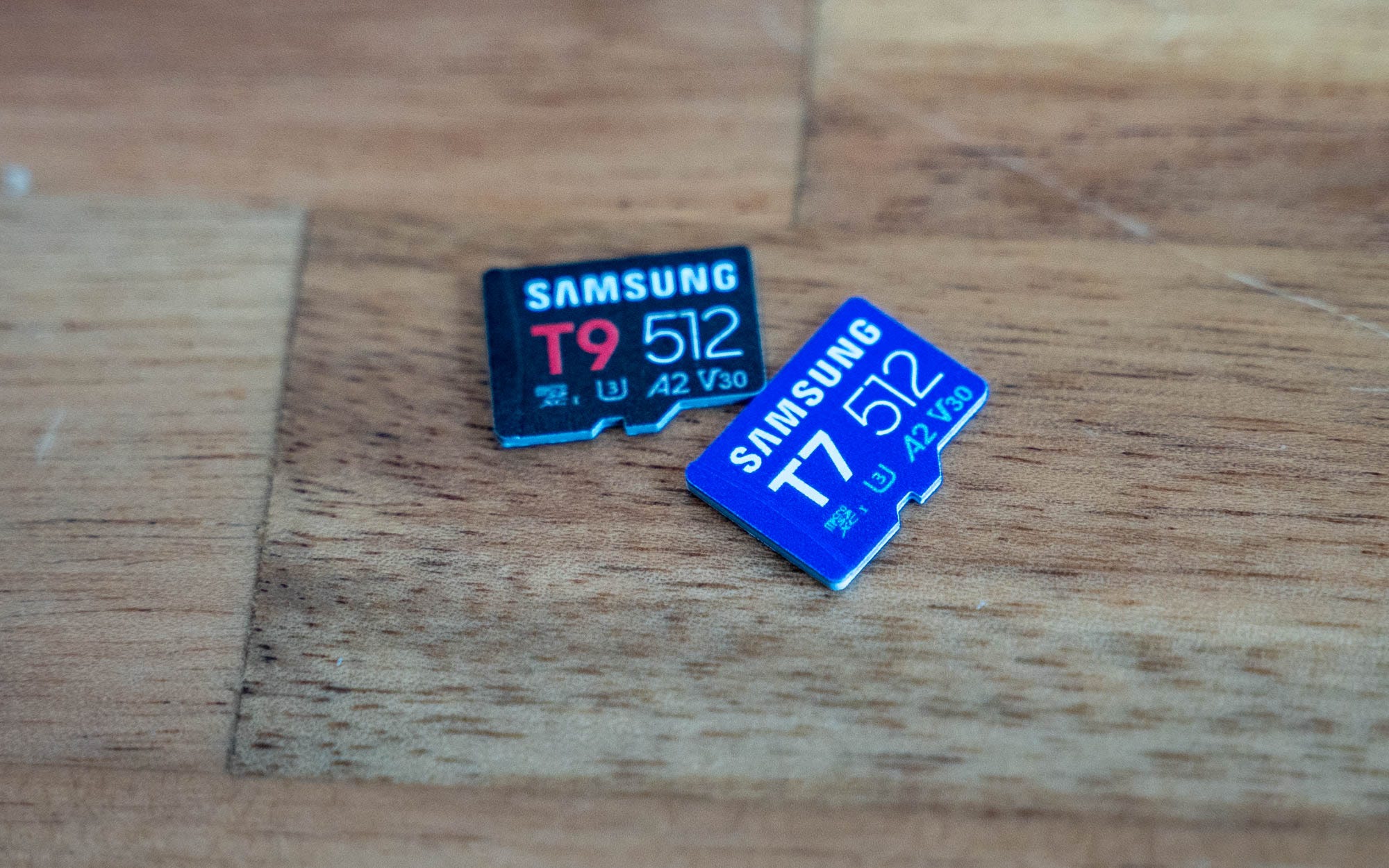
Samsung has simplified the branding for its microSD cards, but they cost a lot more now due to the memory shortage. So while these memory cards offer good performance, and probably the usual good reliability that we expect from Samsung, the price will be a sticking point for consumers.
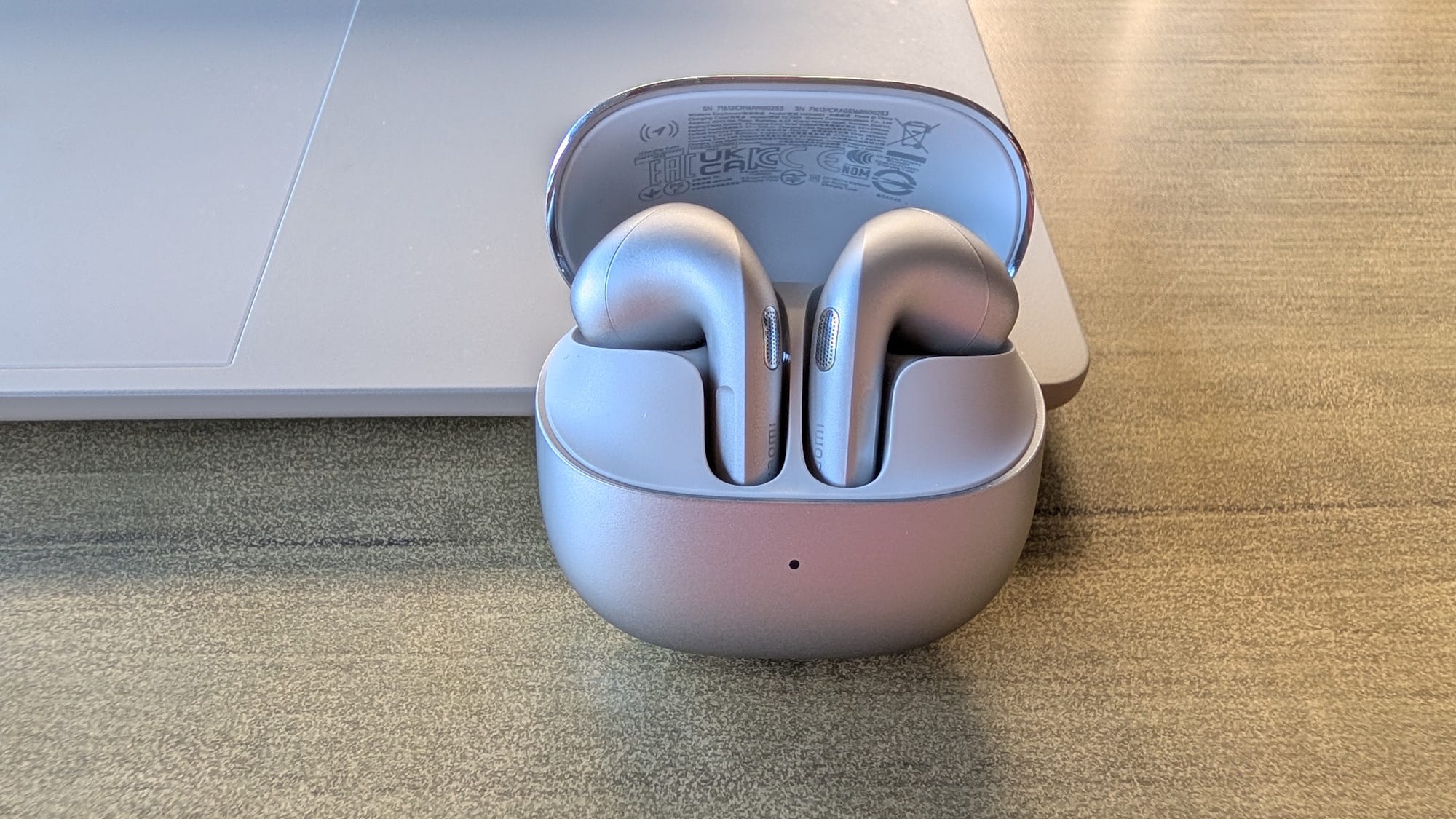
The Xiaomi Buds 6 has a similar design as last year’s version, but with better ANC. However, its design means that you likely won’t be able to hear all your music on a noisy train, and these earbuds may fall out (or feel like falling out) while exercising.
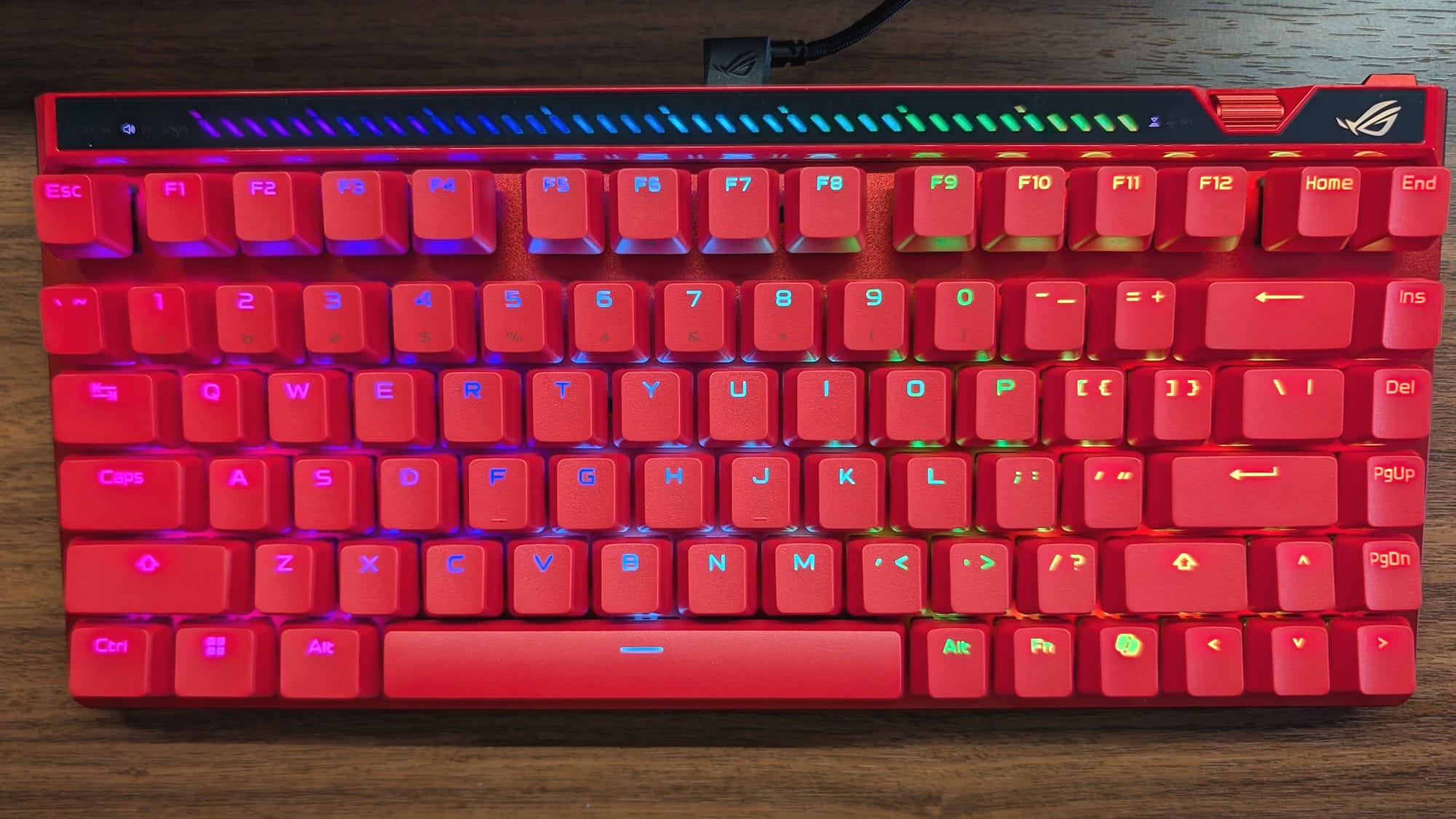
The Asus ROG Falchion Ace 75 HE refreshes the series with a newer version of Asus’ Hall Effect switches. Its larger 75% layout means there’s a Function key row, while the central placement of the USB-C port — it’s a wired keyboard — is more cost-effective. But the best news is that it works with Asus’ web-based Gear Link tool that’s responsive and doesn’t require installing an app.