

Each year when it gets close to Singapore’s National Day (August 9), I would pick five Singapore gadgets from local brands to highlight in our weekly roundup. I won’t be doing one this year. Because the choices feel less than inspiring.
Most Singapore consumer tech brands source their products directly from China, made to order according to their requirements. Secretlab is probably a rare exception with its own R&D and patents. Meanwhile, the more notable Singapore tech brands, such as Grab and Sea, aren’t in consumer tech, while Razer, despite its Singaporean roots, is not often seen as a homegrown Singapore company.
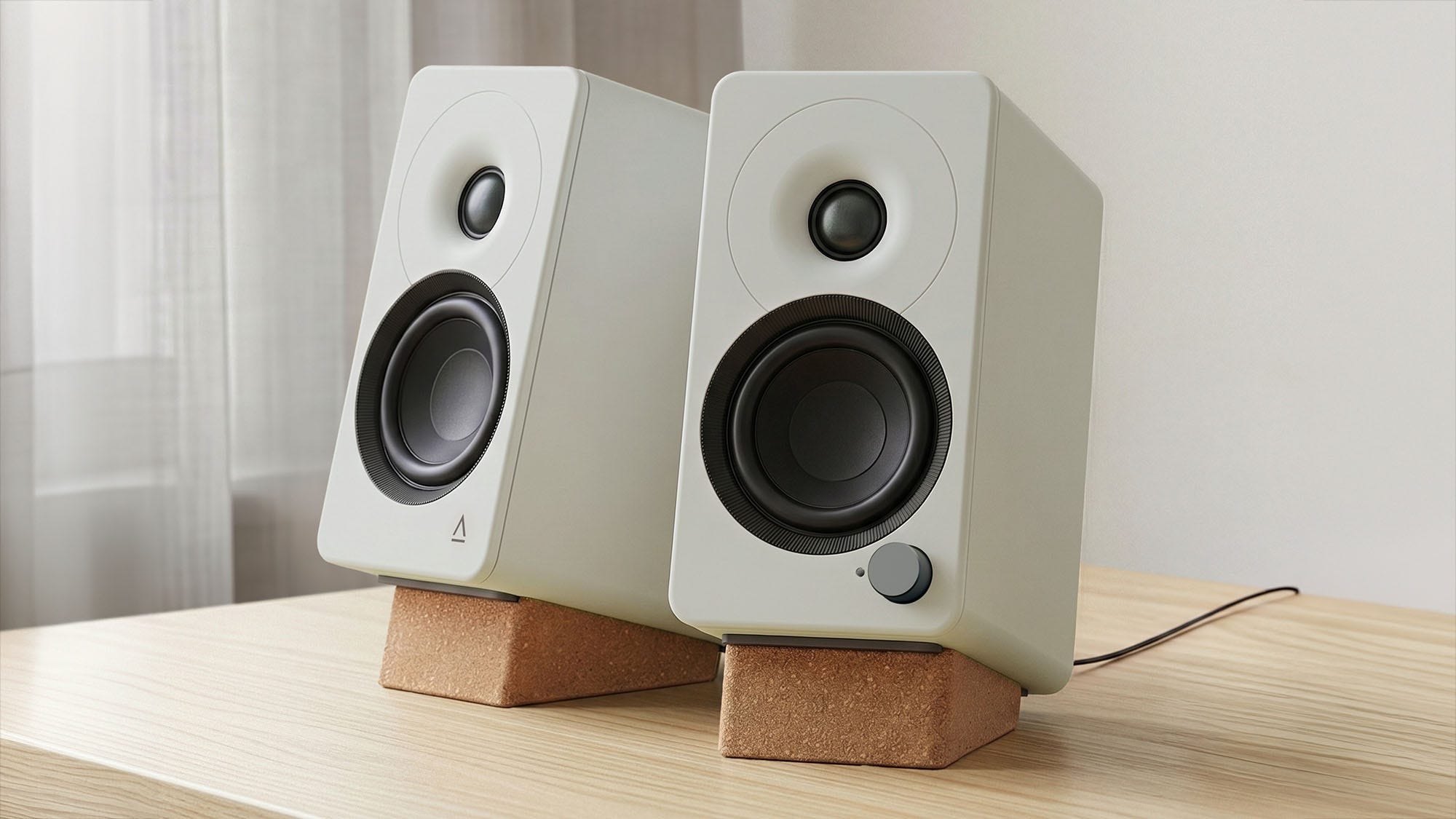
The last consumer tech firm I would consider truly homegrown is Creative Technology, which became a giant in the PC industry, thanks to the success of its Sound Blaster audio card. Worth billions in its heyday during the 1990s, Creative is now a shell of its former self. It still makes decent audio products — I’m currently testing its latest XF1 desktop speakers — but faces stiff competition in this field. As for its sound cards, I’m not sure if there’s still a market for it, despite the company recently launching a new version.
While there’s plenty of innovation coming out from Singapore, they are likely to come from one of the many R&D centres set up here by multinational companies. Like Dell, which develops its monitors and PC peripherals at its Singapore Design Centre. So if you’re a Singaporean with a new idea for a consumer tech product, regardless whether you have the resources to fund it or perhaps you’re doing it via crowdfunding, chances are you’re still heading to China because that’s where the manufacturing is.
In short, there won’t be another Creative Technology, which started out as a PC shop here, and produced its first sound cards in Singapore. That environment doesn’t exist anymore. The Singapore now is more like a incubator for startups — from all over the world — that are into fintech, AI, and foodtech like lab-grown meat. Happy 61st National Day, Singapore.
This week, we tested Shark’s new vacuum cleaner, Samsung’s shorter and wider foldable, and an OLED monitor from Asus.
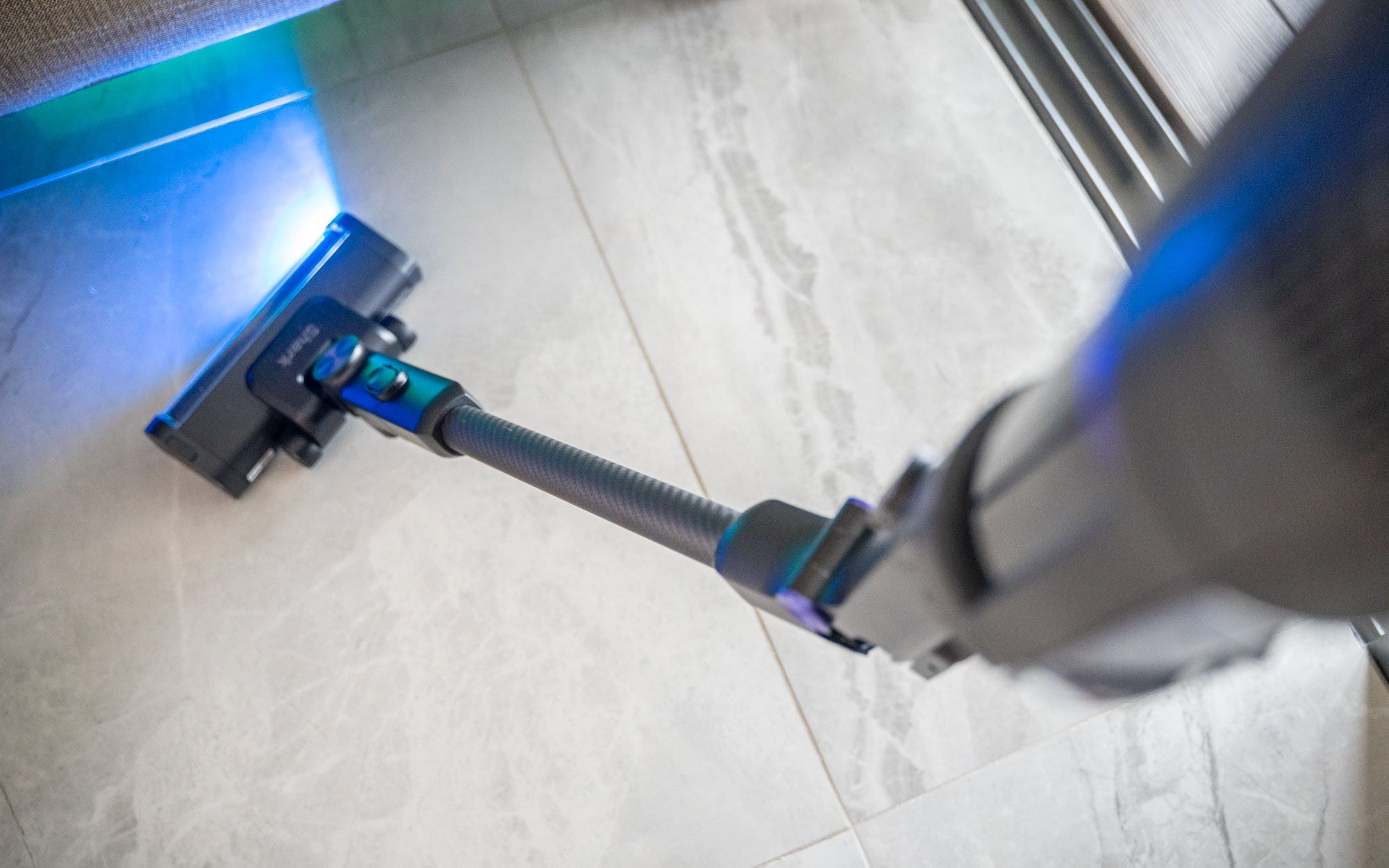
The Shark PowerClean 360 is a slim but powerful vacuum cleaner that should be on your shortlist. Simply because it’s super-light at just 1.2kg — and it also has an auto-empty dock — while still offering strong suction power. It’s also very good at cleaning under furniture, thanks to its bendable wand.
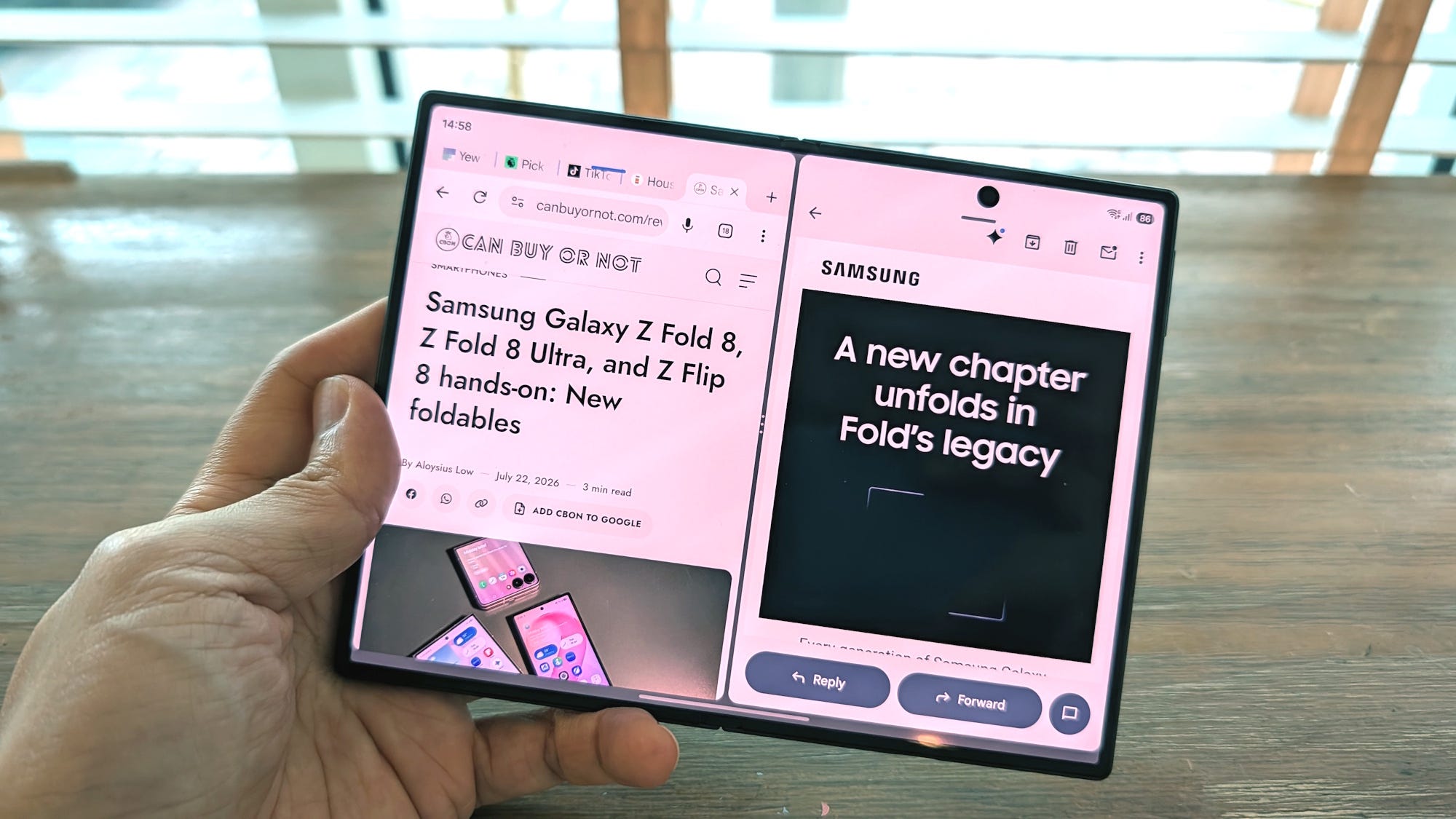
Samsung has added a shorter, wider foldable that’s designed more for media consumption. With an outer screen that’s sized perfectly for short-form content, and an inner display that’s still large enough for multi-tasking (and with an aspect ratio that minimises black bars in videos), the new Galaxy Z Fold 8 is definitely a more mainstream-friendly foldable.
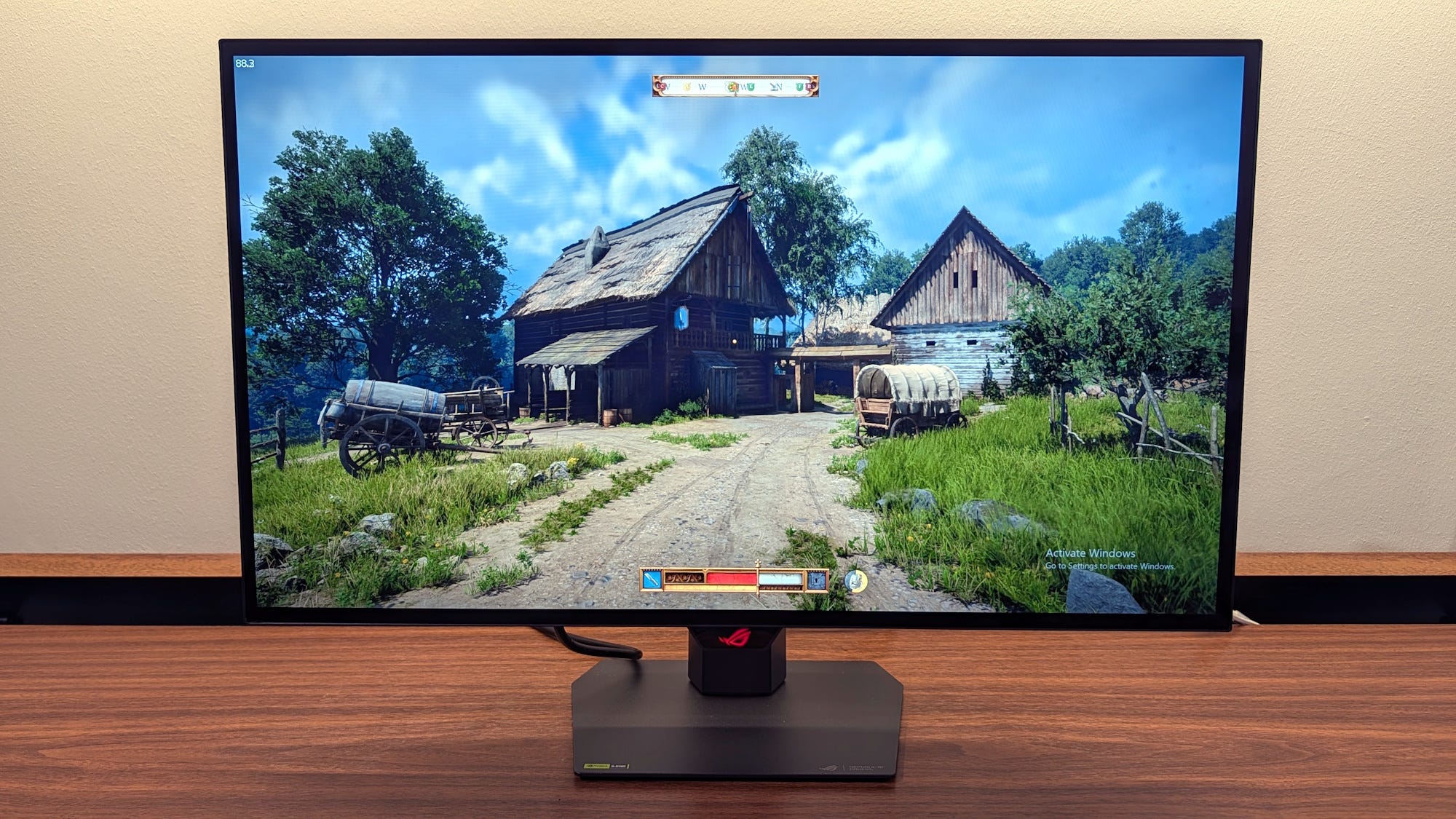
The Asus ROG Strix OLED XG27AQDMGR offers colour-accurate images that are great for content creators as well as the resolution and refresh rate desired by gamers. Its proximity sensor also helps to prevent OLED burn-in, and saves energy. Like most OLED monitors, text clarity isn’t as good as an LCD monitor, which could be a deal-breaker if you’re mostly using it for documents and browsing.