

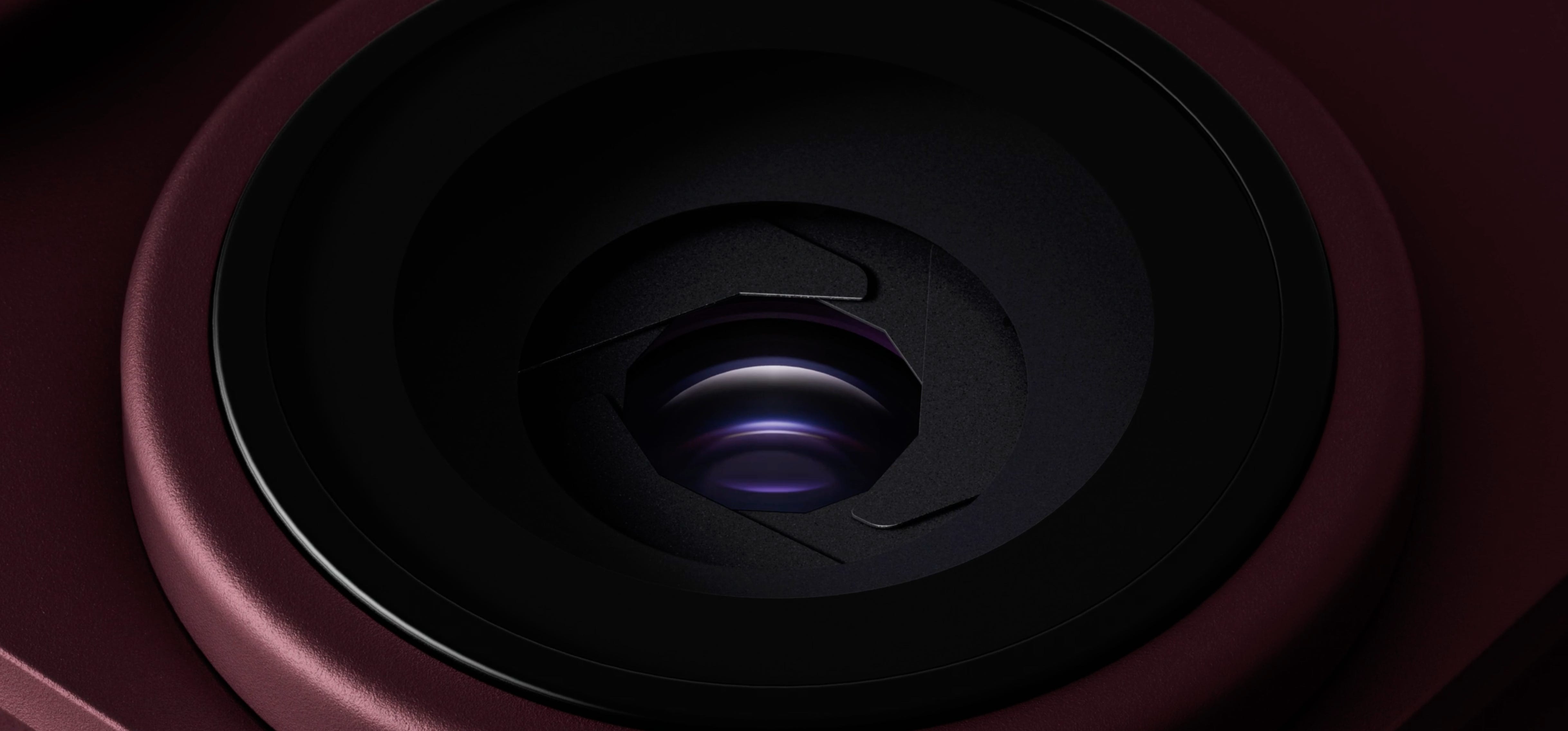
Ever since Xiaomi dropped the variable aperture from the Xiaomi 15 Ultra onwards, I’ve been waiting to see who would pick up the slack. Thankfully, Apple finally did it with the iPhone 18 Pro range.
Using a mechanical iris, the new iPhone 18 Pro is able to give you apertures ranging from F1.48 to F4.0, allowing you to control the amount of light going into the camera. This allows you to create amazing starburst shots seen at Apple’s keynote early this morning, which was recorded using the iPhone 18 Pro at F4.0.

Being able to open the iris wide open at F1.48 also allows for even better lowlight shots, and helps to reduce noise by keeping the ISO lower. Basically, the lower the ISO, the less noise you get (usually). As a photography person, this is exactly what the iPhone Pro system needed, and I really can’t wait to test it out.
Combined with Apple’s software aperture bokeh, I’m now wondering just how much better it will be. After all, software bokeh can sometimes struggle with the fine details, though it’s really hard to tell these days. But a pairing with a physical iris could be something that will take it to the next level (of naturalness).
These days, while I still use my Sony A7iii for product shots, there have been times where the iPhone 17 Pro Max is good enough (or at least when the light is good enough) that you won’t even notice the difference. But I think the iPhone 18 Pro is going to be even better.
Xiaomi is also probably kicking themselves in the foot. If they had continued with the variable aperture technology on their phones, they could happily claim that Apple copied them (though technically, they still can). But dropping the feature and then picking it back up after Apple used it in their phone? Hah.

But as with all things Apple, I expect more brands will start featuring a similar technology in next year’s devices. While R&D and manufacturing cycles takes time, I’m pretty sure most brands already have something in the works. Or hey, maybe Apple did catch its competitors by surprise and we’ll have to wait quite a bit longer to see this feature come to Android devices.
Anyways, also announced were the new AirPods 5, Apple Watch Series 12, Watch Ultra 4, and a foldable called the iPhone Duo. More on this later in another newsletter.