

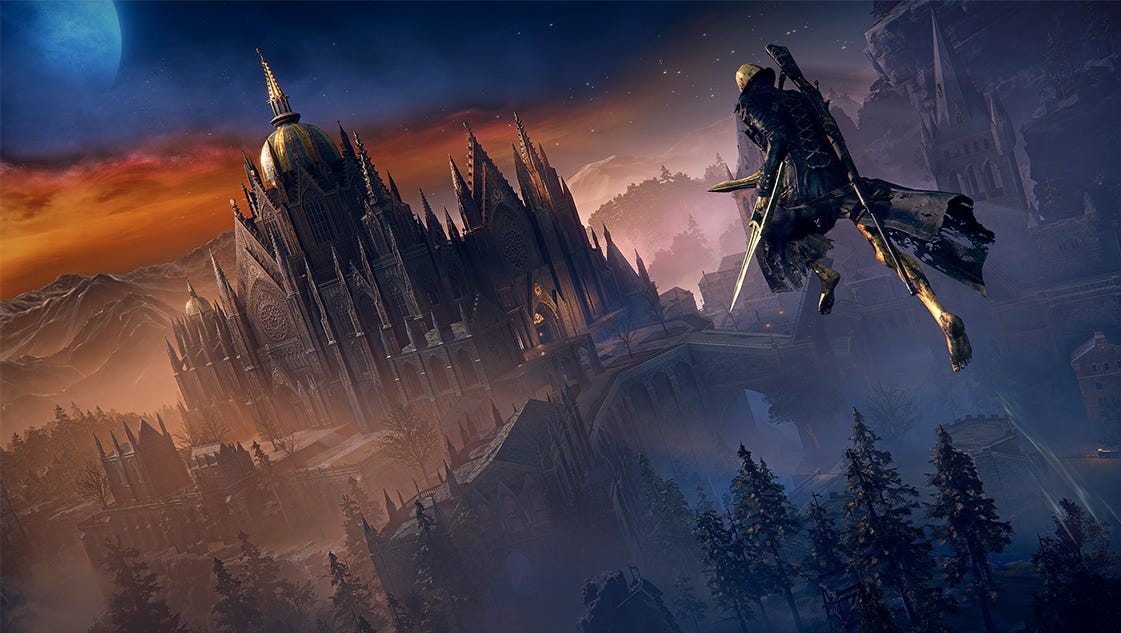
If you have played any of FromSoftware’s distinguished games over the past decade, you’ll know that the Japanese developer often comes up with some weird wacky stuff, like the giant fingers in Elden Ring or the alien-looking celestial creatures in Bloodborne.
Well, its upcoming multiplayer game The Duskbloods, which will launch later this year (still no confirmed release date yet), is probably its weirdest yet. This Nintendo Switch 2 exclusive recently had a closed network test that finally gave us a glimpse of the gameplay, and I’ll be honest, it’s kinda overwhelming.
For one, I can’t remember the last time a FromSoftware game had such a thorough tutorial as the one that I tried in The Duskbloods network test. In fact, there’s even a gameplay guide that only just scratches the surface of the game.
But given the amount of information that players have to process, it’s practically a must to go through all the tutorials — there were four in the closed network test — as well as the guide to get a handle on it.
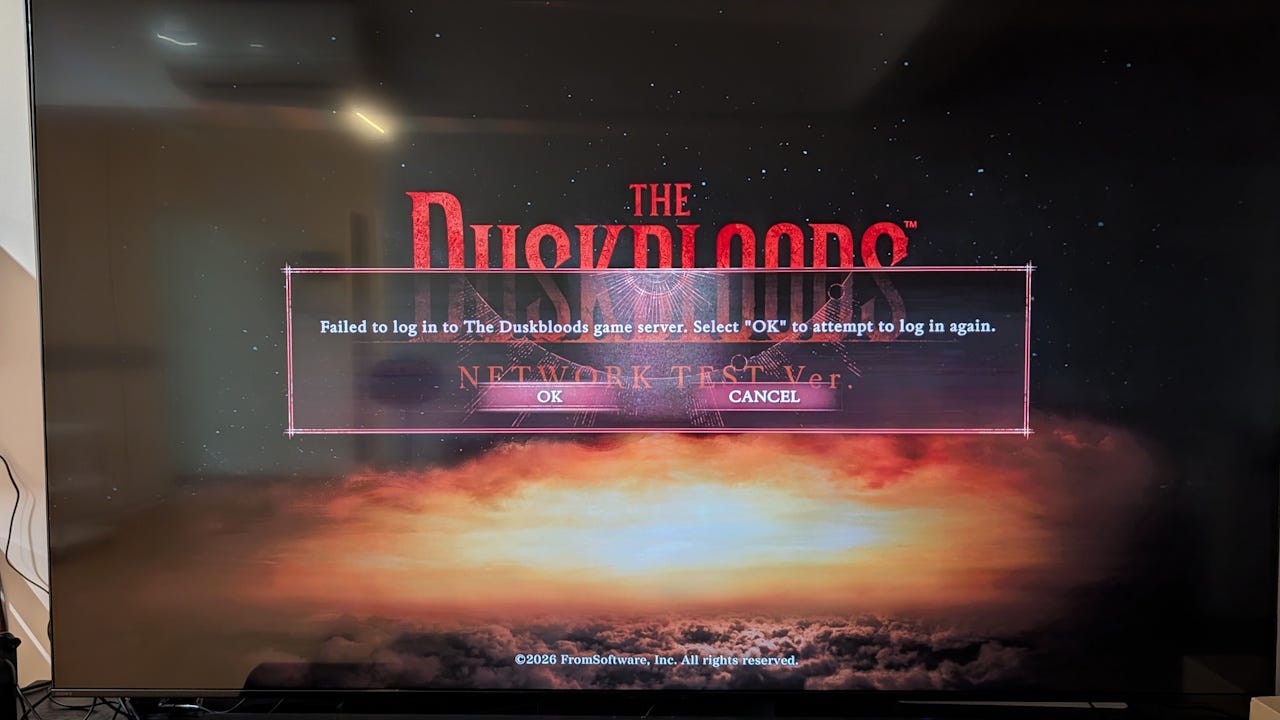
Because The Duskbloods is not a straightforward multiplayer game that conforms to the usual conventions. It’s basically a PvPvE game, and I would say it resembles an extraction shooter in that players are dropped in a map, and have to battle enemies and get loot to rise in the rankings. But it’s not quite the same when played out.
In The Duskbloods, you play as a Bloodsworn, who have superhuman abilities and powers. Like sucking the blood of in-game enemies and turning them into minions. Vampires, in short.
There were six Bloodsworn characters to choose in the closed network test, but the full game will have ten. Each character has his or her own unique abilities, and some of them are wild. For instance, there’s this old patrician dude (Senator Samir Patres) that can turn into a mini dinosaur. Zork is a chunky boi in a diving suit and a jetpack that crashes head-on into enemies to stun and damage them. And then there’s the character everyone hates (for now), Sniper Layla, who has a rifle that shoots from far (with zoomed in scope), and can manifest a Gatling gun from her body.
From what I could tell, these three Bloodsworn characters appear to be the most popular ones among the testers. But the crazy abilities are just the start. You see, there are also supporting NPCs known as kin that each player can form a compact with — at specific locations indicated by towering yellow markers that reach up to the sky. The kin will follow the player and help attack, buff or heal the player. Some seem to more useful than others, but they are basically a must-have. Even the weakest kin can help in fights. They also contribute to the chaos, especially when several players converge to fight against each other or to take down powerful boss-like enemies (Great Foes) on the map.
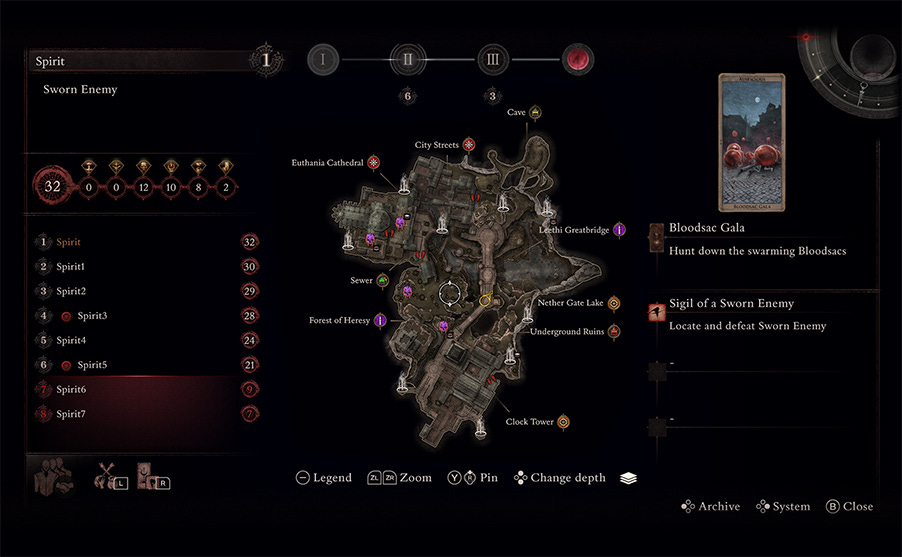
Each game proceeds in the same fashion. There are four phases with fixed durations. Players are eliminated (or as the game calls it, culled) after the second and third phases if they lack sufficient Virtue, which are ranking points that you get by performing various tasks. These tasks can range from simple ones like lighting flames within the skulls of corpses (Flame Virtue) to beating boss-like enemies (Repulsion Virtue) to killing other players (Sword Virtue). You can also get Virtue by being the top (and second-highest) players at killing in-game enemies (Bloodfang Commendation) or gathering rare items (Collector Commendation).
In short, there are multiple ways to avoid getting eliminated. FromSoftware boss Hidetaka Miyazaki has said in an interview that the team was inspired by board games, specifically Settlers of Catan, and it’s easy to see that with the multiple paths to victory. Of course, everything ends in phase four, where the top three players with the most Virtue are thrown into a small arena to duke it out PvP-style.
Since I’m not very good at the PvP aspect, I’m pleased that there’s still plenty to do in the earlier phases when it’s mostly PvE. In fact, before the final phase, the PvP (gaining Sword Virtue) only happens at Ritual Sites which are special zones that appear (and which you can avoid). Players do not gain anything from indiscriminate PvP, though there will probably be griefers in online games.
Miyazaki has also said that the full game will have a PvE option for the final phase. So instead of a three-way PvP battle, players work together to bring down a boss. The closed network test did have an option to queue and play as a duo for a match. You can also form an alliance with a player during the game, though this alliance will end if both players advance to the final PvP phase.
Having these options will make the game feel less intimidating to new players. And maybe a little bit less chaotic, though if not for the whole gothic vibe and aesthetics, The Duskbloods feels almost like a Super Smash Bros game, especially when the NPC kin characters are involved. I’m also looking forward to learning more about the lore and story in the full game.
As for how the game played on the Switch 2, I played with the console docked, and there were no major bugs or performance issues. I did feel some input lag at first, but that could be due to my inexpensive 8BitDo controller, and subsequent test sessions seemed fine. The graphics isn’t anything to shout about, and isn’t especially crisp or detailed but that’s typical of FromSoftware games. The gothic look and feel of The Duskbloods is very similar to Bloodborne, but I wonder if other maps in the full game will offer a different vibe.
While many fans probably have some reservations about the game being exclusive to the Switch 2, FromSoftware producer Yasuhiro Kitao revealed that there were more applicants for the recent network test than its other multi-platform multiplayer game, Elden Ring Nightreign.
That’s a good sign, though I feel quite a few probably signed up to find out more about the gameplay, which hadn’t been revealed previously. I wonder how many players will now decide not to buy the game after trying the closed network test because multiplayer (and the anxiety of making the cut) is not their cup of tea.
This week, we tested the more price accessible Google Pixel 11, which still has most of the cool features of the Pro model, tried out a new water dispenser (and ice maker), and used Logitech’s new foldable and portable mouse.
Thinking of switching to the Android side of things? Well, the Google Pixel 11 is a good starter device since it delivers a polished user experience from Google that’s heavy on useful AI and software features. This year’s Pixel also gets a pretty decent processor that can keep up with the competition a bit better than previous editions. The starting price, though, has gone up slightly, too.
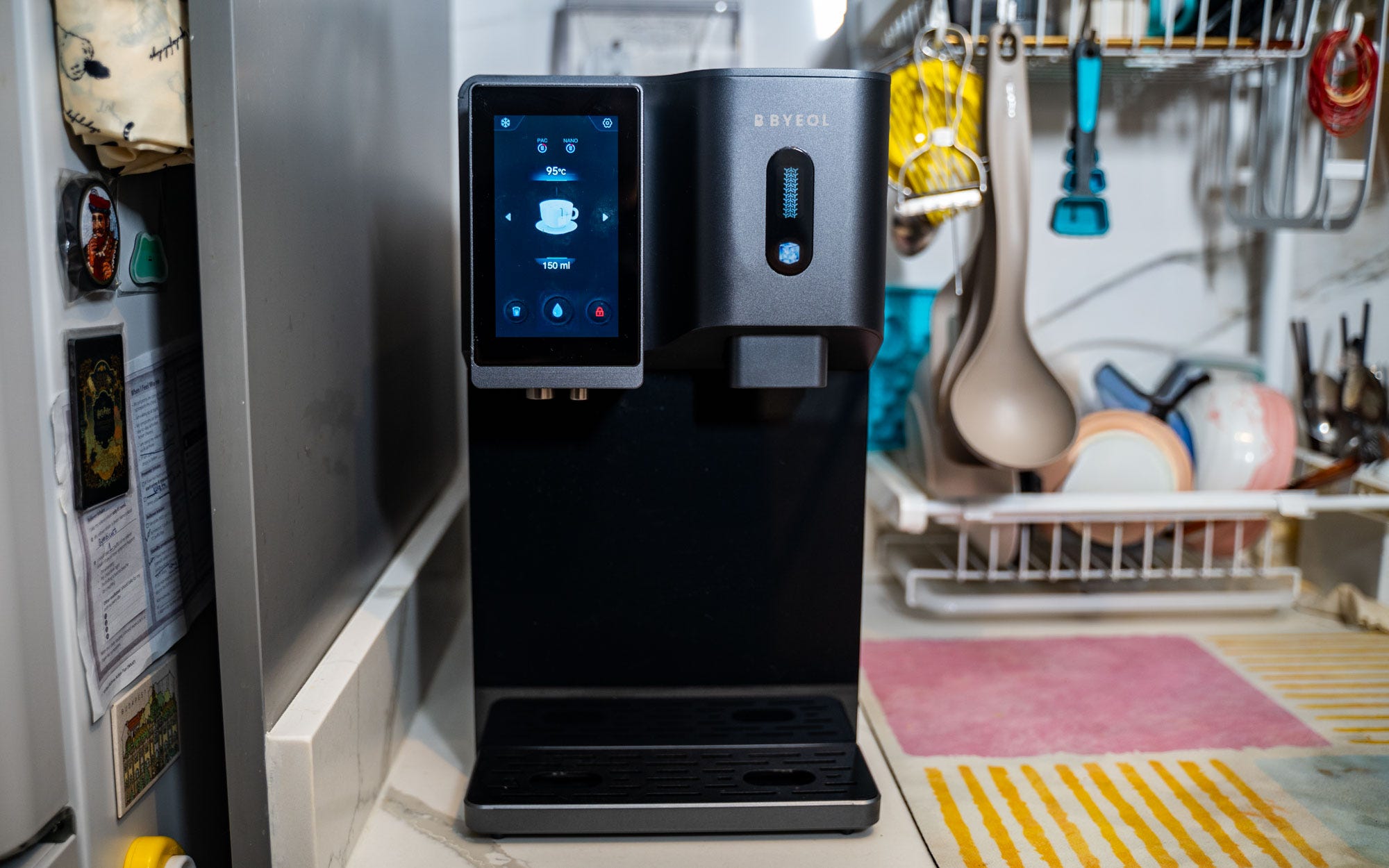
Being able to get cold water at all times is a boon in Singapore’s climate. The Bbyeol Comet can dispense water as cool as 5 degrees Celsius, up to almost boiling temperature (95 degrees). And it can also produce ice on demand at an advertised rate of around 7 cubes in 8 minutes (it’s about 9.5 minutes in practice).
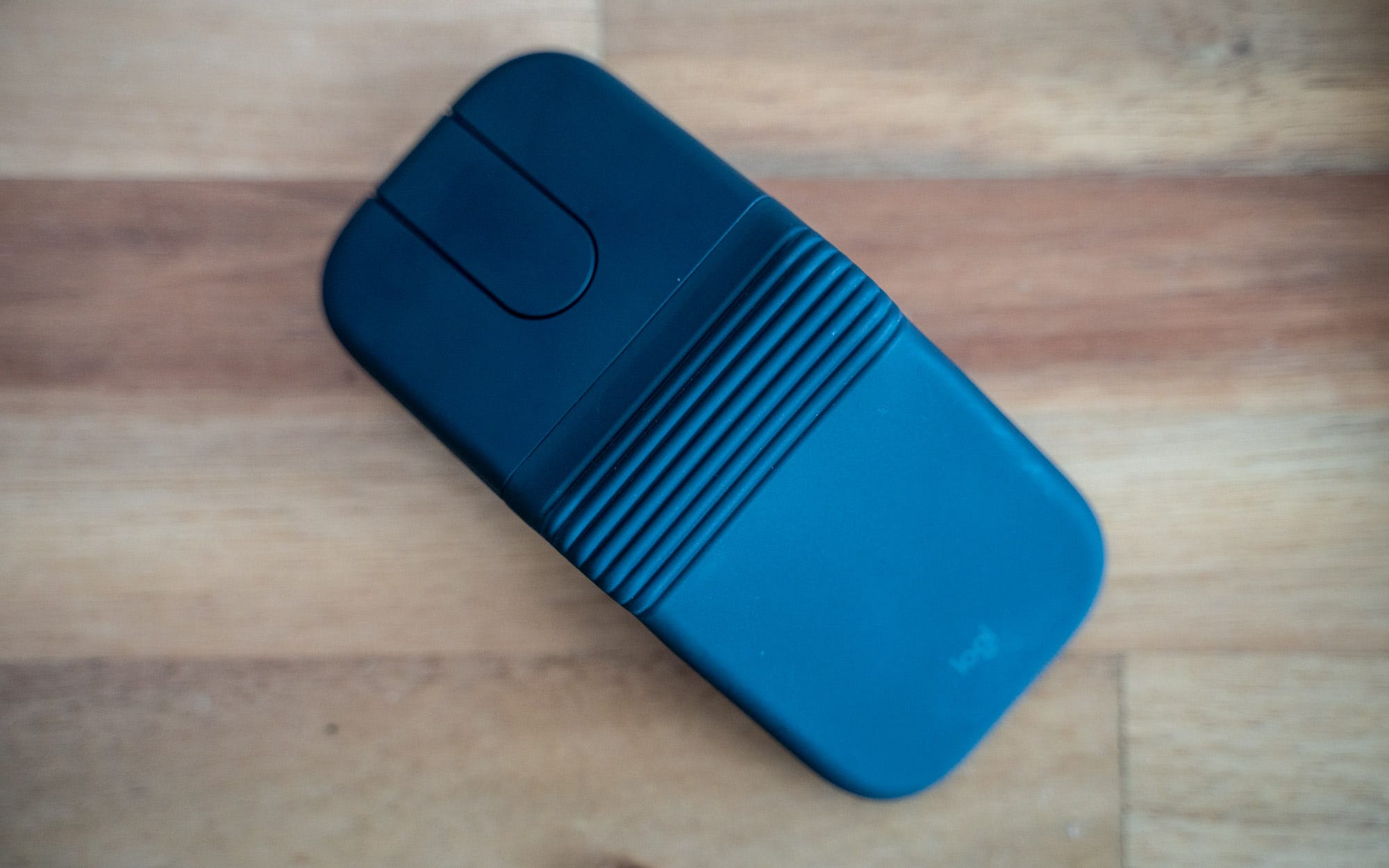
As its name suggests, you can fold the Logitech Mobi Fold in half so to better fit it in your bag. When unfolded, its arc shape is fairly comfortable at first, but it can get tiring after a while. There isn’t much of a grip and you’re mostly just holding the narrow sides. But the soft-touch finish feels nice, and the hinge seems durable. In short, a compact travel-friendly mouse.