

I have dabbled with retro gaming now and then — the Trimui Brick was my last brush with playing vintage games from the past. But I didn’t have the nostalgia that some retro gamers feel for these games. All I knew was that it usually took years for enthusiasts to create emulators that could properly mimic vintage game consoles.
But in recent months, things have gotten weird. In my YouTube feeds, I’m getting served videos of classic (and some not-so-old) games being made playable on PC, sometimes even the browser. Many are in 4K quality at 60fps, and there are more and more of them.
It turns out AI is really good at taking the binary or the machine code of a program and reverse-engineering (or decompiling) it to produce equivalent human readable code that works similarly to the original. This saves a lot of time, allowing humans to focus on the trickier part, which is recompiling and adapting this code, especially if it’s for a different hardware platform, for another device, like a Windows PC.
What would have taken a team of humans months or weeks to do is now a matter of hours or days with AI tools. In fact, OpenAI says its GPT-6 Astra can “reverse engineer software binaries to understand its core logic without access to raw source code. Astra solved 88.0% of tasks in a single attempt and 99.2% within four attempts.” That’s huge, and has led to folks trying it out on software like Adobe Photoshop, producing clones that can replicate practically all the functions of the software, albeit not free of bugs.
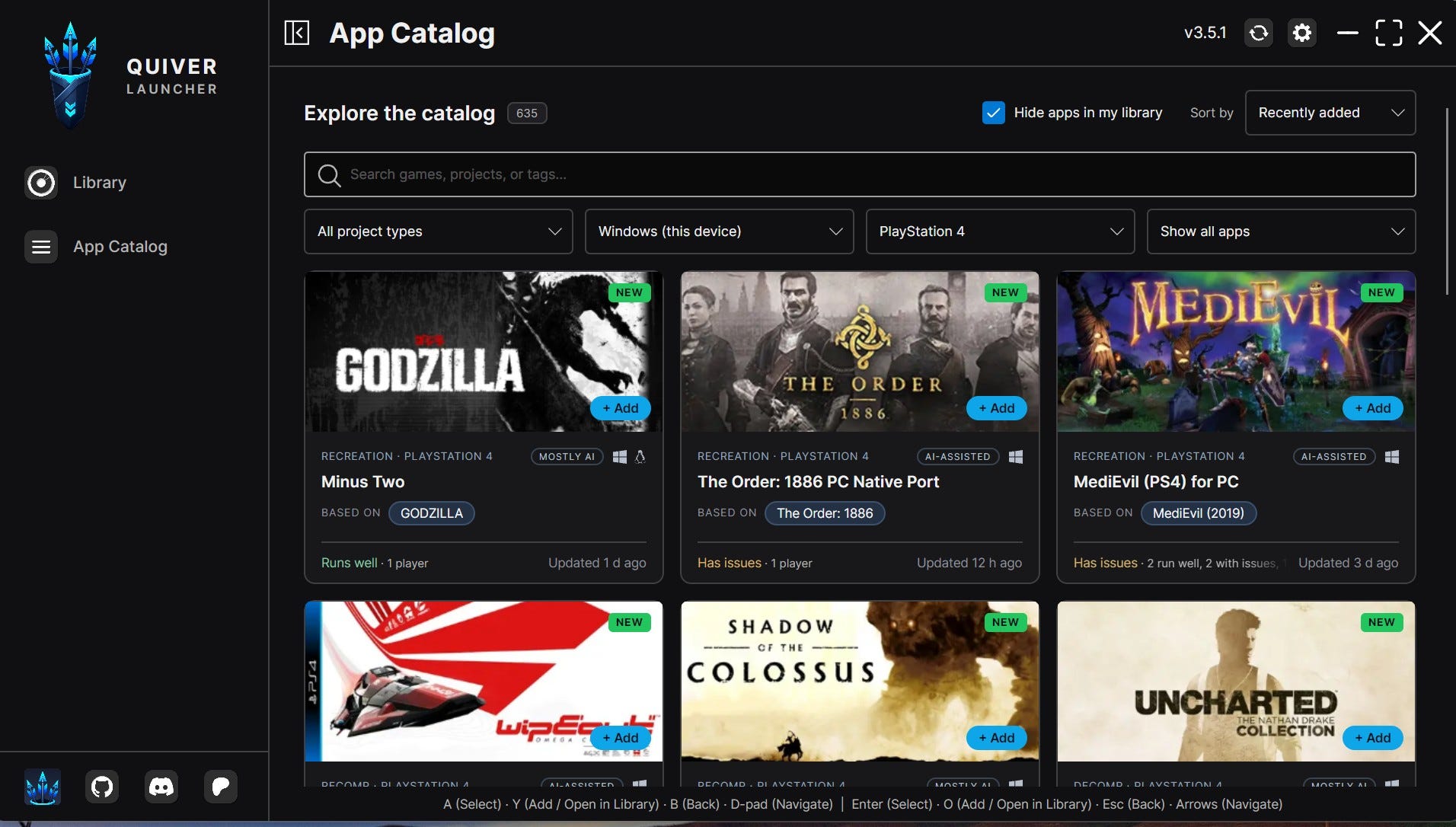
Since creating emulators and making retro games playable on modern devices is such a labour-intensive task, it’s no surprise that some have started using AI for this purpose. And it’s not just really old games. More recent titles have also been converted using this approach. A quick search on Quiver Launcher, an online repository of these community-built PC ports, returned 21 projects for the PS4, including multiple projects for PS4 exclusive Bloodborne, which gamers have been begging for a remake or sequel for years.
Of course, everything is above board for these projects since the actual game files aren’t provided. Users need to have their own game files for these projects to run on their PCs. This rules out the majority of gamers, though those who are motivated enough will probably be able to find them online somewhere.
The advent of AI tools for retro games will probably benefit game archivists who are trying to preserve games, especially with physical media becoming increasingly rare (thanks Sony). However, it has also apparently created a rift in the community. For example, some contributors seem to care more about releasing games using AI as quickly as possible, and not so much about the quality of the port. A major community hub Decomp.dev shut down recently, and highlighted these issues.
At this point, the genie is out of the bottle. It may just be a matter of time before every game gets the same treatment. AAA games will obviously take far longer to create a PC port. But AI tools have also accelerated the development of projects like AnyPS5, which aims to convert PS5 binaries into Windows apps. There are plenty of motivated folks who can’t wait for the official PC version of the PS5-exclusive GTA VI, and I wouldn’t bet against them coming up with an unofficial version with the help of AI.
This week, we tried Apple’s first foldable, tested Boya’s wearable AI note-taker, and got a glimpse of what Wi-Fi 8 brings to the table.
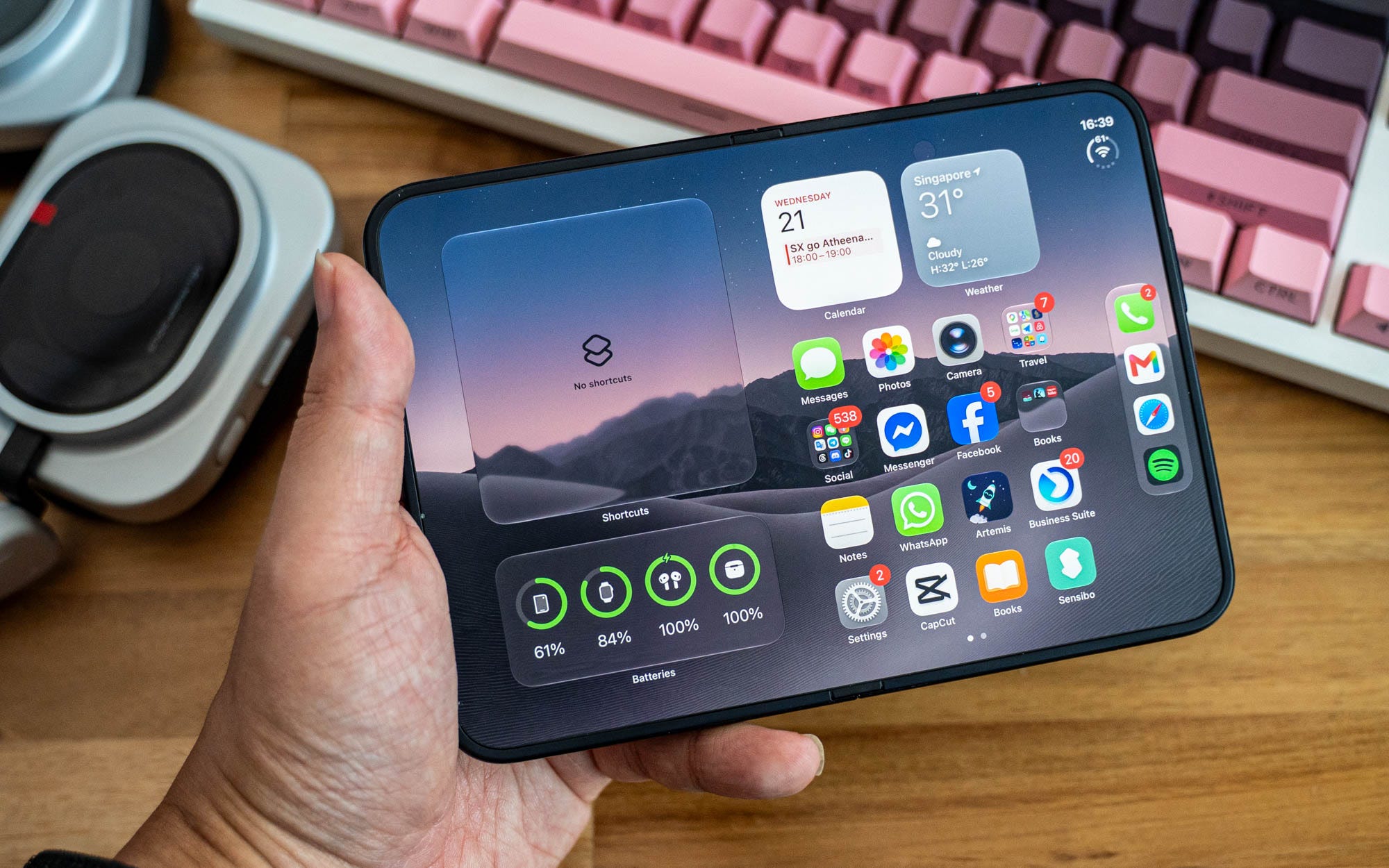
Apple may be late to foldables, but its first attempt, the iPhone Duo looks promising. The tech giant delivers a premium experience filled with its own ideas on foldables, from using a matte layer to minimise the crease to a split keyboard when unfolded. But not all third-party apps are optimised for the iPhone Duo yet, while a small number of iPhone Duos have suffered cracked inner screens with normal usage.
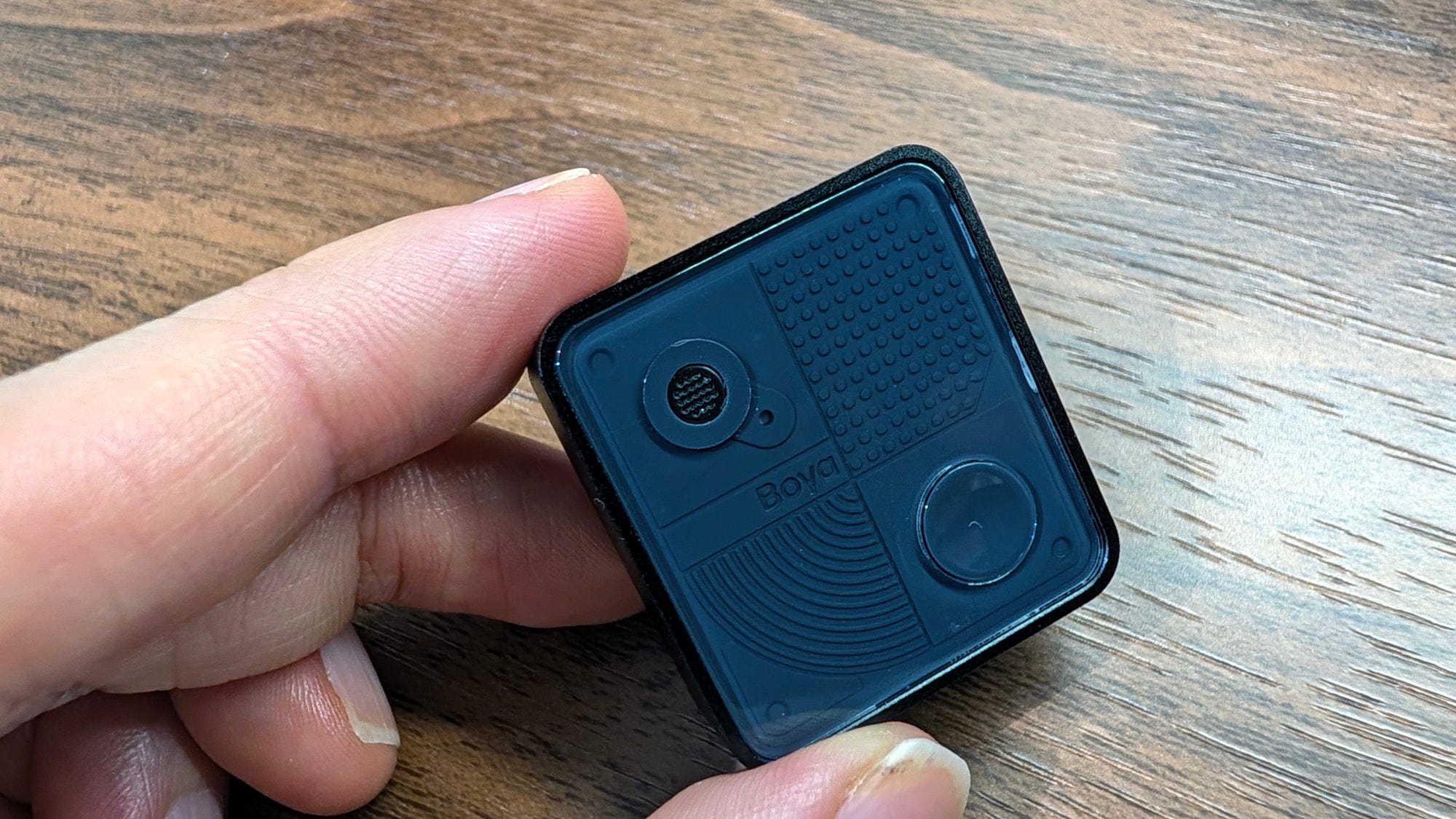
The Boya Notra Nano takes the brand’s entry-level AI note-taker and changes up the form factor. The thicker but smaller cube-like Nano can be used in three ways: Around the neck with a lanyard, attached to clothing using a magnet, and worn like a watch with an included wristband. But you’ll get the same AI transcription tools from the likes of ChatGPT and Grok as Boya’s other note-takers, with a paid subscription required for heavy users.
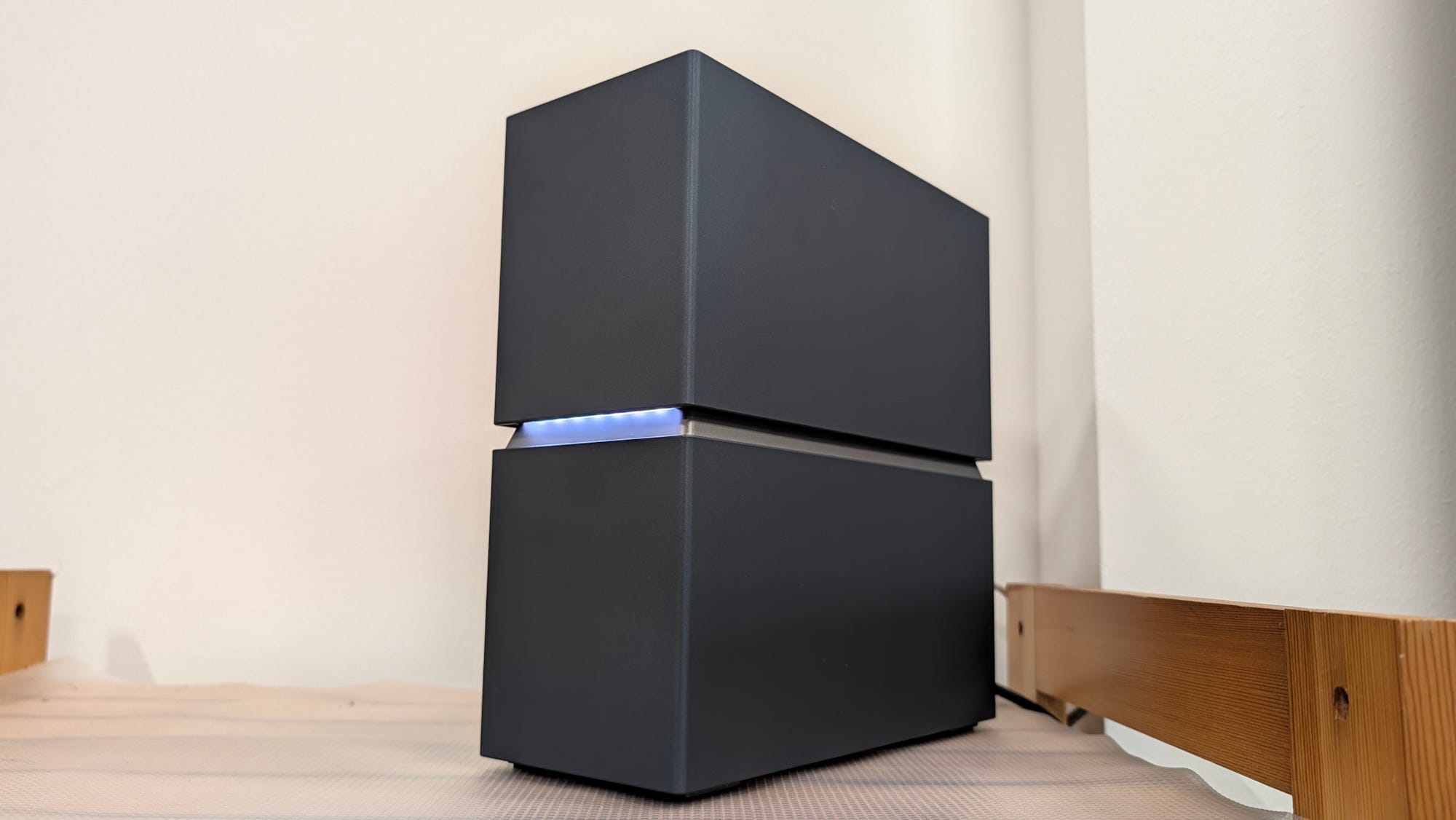
Wi-Fi 8 is here and TP-Link is leading the charge with the Archer 8 Ultra. This tri-band router demonstrated a wider coverage than TP-Link’s older Wi-Fi 7 models in our testing, despite not having all of Wi-Fi 8 features yet — there’s no Wi-Fi 8 clients either. However, it won’t be cheap (S$1,299) when it launches on November 16 in Singapore at a VivoCity roadshow.