Oticon Zeal's here to help you hear
World's most discreet (and very expensive) hearing aid launches in Singapore
This happened a few years ago. I put on a new pair of wireless earbuds (I can’t remember the actual model), turned on the transparency mode, and swore out loud at the clarity. Thanks to the earbuds’ highly sensitive microphones, I was hyper-aware of my surroundings. It felt almost like a superpower.
So I wasn’t surprised when Apple came up with a hearing aid feature for the AirPods Pro 2 in 2024. It builds on Apple’s excellent transparency mode, but adapted to help those with mild to moderate hearing loss.
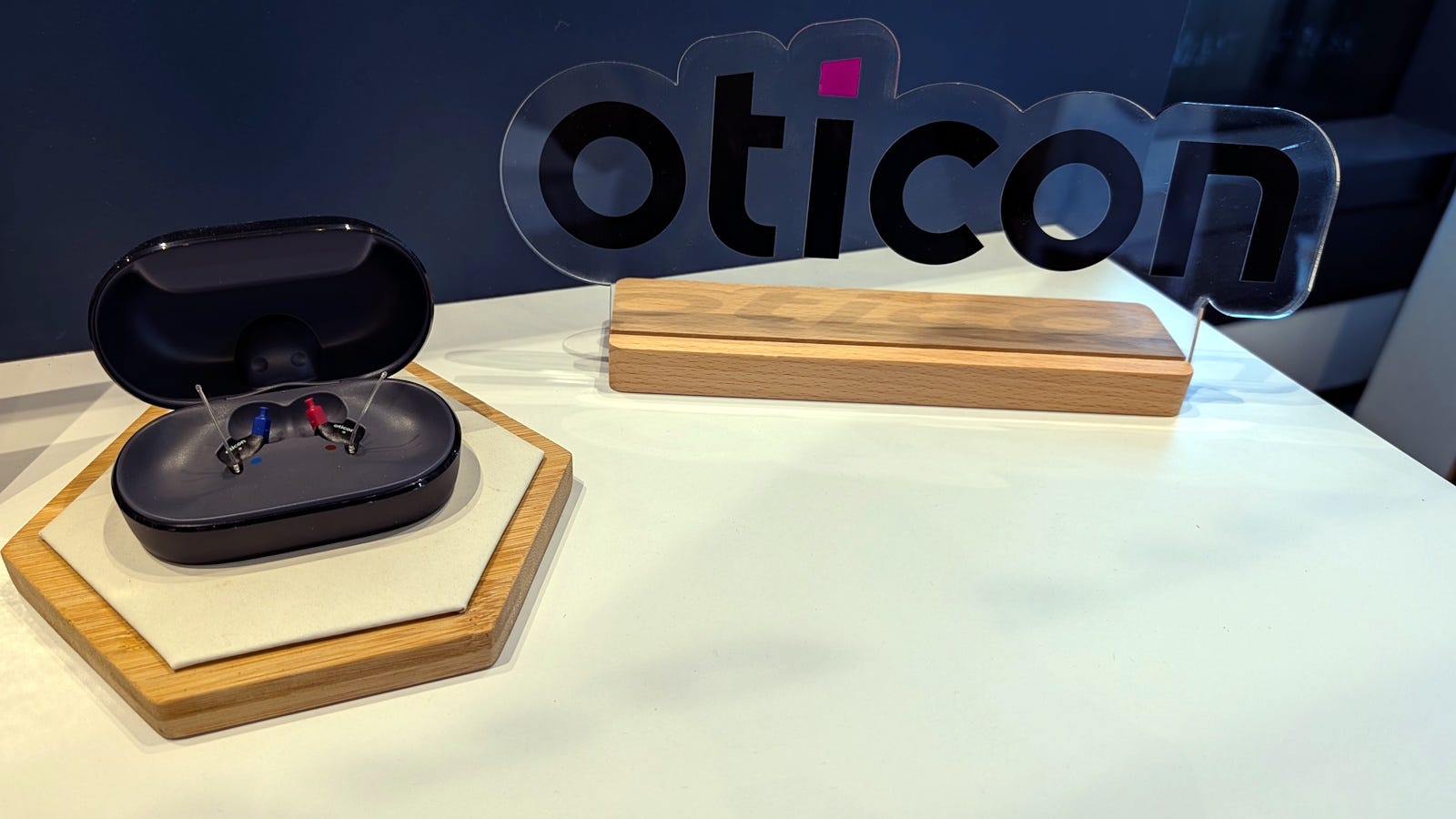
But while consumer tech firms are exploring the medical potential of their earbuds, the hearing aid industry, too, seems to be borrowing ideas and features from audio firms. Take the Oticon Zeal, the latest in-the-ear hearing aid from one of the biggest hearing aid manufacturers in the world, for example.
The specs for the Oticon Zeal read like something you’ll find in the latest wireless earbuds. Bluetooth LE Audio, Auracast (!), Google Fast Pair, IP68 rating, AI sound processing, fast charging (15 mins charging gives you four hours of use), the list goes on. You can stream audio from your connected smartphone to the Oticon Zeal, and adjust its settings conveniently via a mobile app. There’s even a “find my hearing aid” feature.
For me, the biggest selling point of the Oticon Zeal has to be the size. It’s tiny, and weighs just over a gram. Oticon says the Zeal is the world’s “most complete, discreet hearing aid”, and from certain angles, it definitely lives up to its “unseen” tagline. And size really matters here, since there’s still a social stigma around hearing aids.
Despite being so small, the Oticon Zeal is said to have up to 20 hours of battery life. When asked how long the hearing aid can last while streaming audio from your phone, a spokesperson quoted 16 hours. That’s longer than your typical wireless earbuds, though battery life obviously matters more for users of the Oticon Zeal.
I was able to try out the Oticon Zeal at its Singapore launch event earlier today. The fitting with soft ear tips took around 10 minutes. Since it was just a demo, I didn’t undergo any hearing test. There’s an option for custom moulds, too. Now, this was my first experience with hearing aids, but they felt pretty much like earplugs, and go a bit deeper than your usual in-ear earbuds.
You can tap the Oticon Zeal for calls, volume adjustment and more. I found it a bit finicky. Tapping the hearing aid also wasn’t that comfortable, but I suppose it should improve once I got used to it.
More importantly, I could hear everything around me clearly. My voice did sound a bit sharp and metallic to me, but that’s possibly because of the settings used in the demo, which aren’t customised for my hearing ability. Apparently, your audiologist can also load custom environmental programs for different scenarios based on your needs.
First impression: The Oticon Zeal feels like a premium, state-of-the-art device with all the features you’d want in a hearing aid. However, it’s also very expensive. A single unit is S$10,000 (that’s just one, and not a pair of them). It comes with a four-year warranty, and is available now in Singapore from hearing care providers like Hearing Partners and The Listening Lab.
This week, we looked at the slightly more affordable Xiaomi 17, which still has a flagship processor, tried out a compact Epson projector, and recorded plenty of audio using the Saramonic Air SE portable microphone.
The Xiaomi 17 retains the compact form factor of its predecessor, while making some obvious upgrades. The battery capacity, for example, has gone up by 20%, which meant it lasted over 13 hours in a battery test or almost 1.5 hours longer than the Xiaomi 17 Ultra. Performance is excellent, too, though its Qualcomm flagship chip can run a bit warm.
This compact Epson projector stands out among the ones we have tested. For starters, it has better keystone correction, and is smaller than the BenQ TK705STi 4K Projector. However, the Epson isn’t as bright, so you will need blackout curtains or blinds to get the best experience out of it. It runs Google TV, which means you can get all the streaming apps that you need.
The Saramonic Air SE is a portable microphone that works great for content creators. It’s small, and doesn’t come with a charging case. You can use it as two separate 5g microphones or as an handheld microphone together with the charging bar. It offers up to six hours of battery life, and has good AI-powered noise reduction.


