

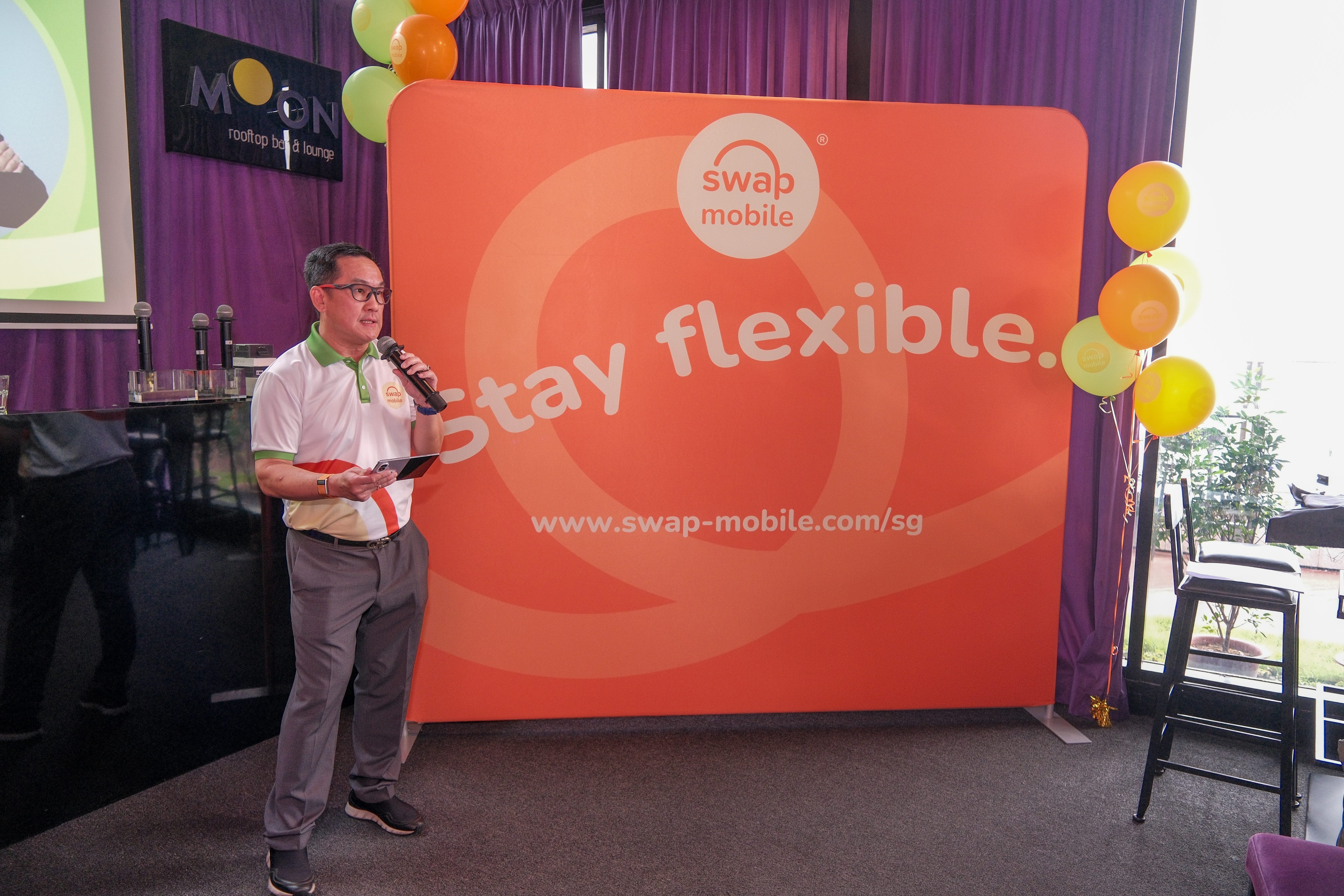
If you’re like us and have to change smartphones all the time for testing, the idea of changing one every six months feels like a chore. But most of you aren’t tech reviewers, so a phone swap every six months where you can upgrade to the latest device that catches your eye may seem like a pretty good deal.
That’s where mobile virtual network operator Swap Mobile comes in. Powered by StarHub’s network, Swap Mobile offers customers the ability to well, basically, rent smartphones and change them every half a year. A device subscription, in other words. If you don’t change the phone at all, at the end of the 24-month period, you can pay a fee to keep the phone or return it.
Interestingly, if you choose to not own or change the phone, you can still continue to rent it, with any payments made going towards reducing the fee. Which means you’ll eventually pay off the phone and own it fully.
After six months of the 24-month period, you can choose to change the phone for a newer model, even to a lower-end device to save on your subscription, but this will restart the 24-month cycle.
Note that all the devices are brand new, with Swap Mobile’s CEO Andy Tan telling me that that the returned phones are checked, stored, and may be resold in the second-hand market. Tan also mentioned that there were plans for possibly letting users choose second-hand devices in the future.
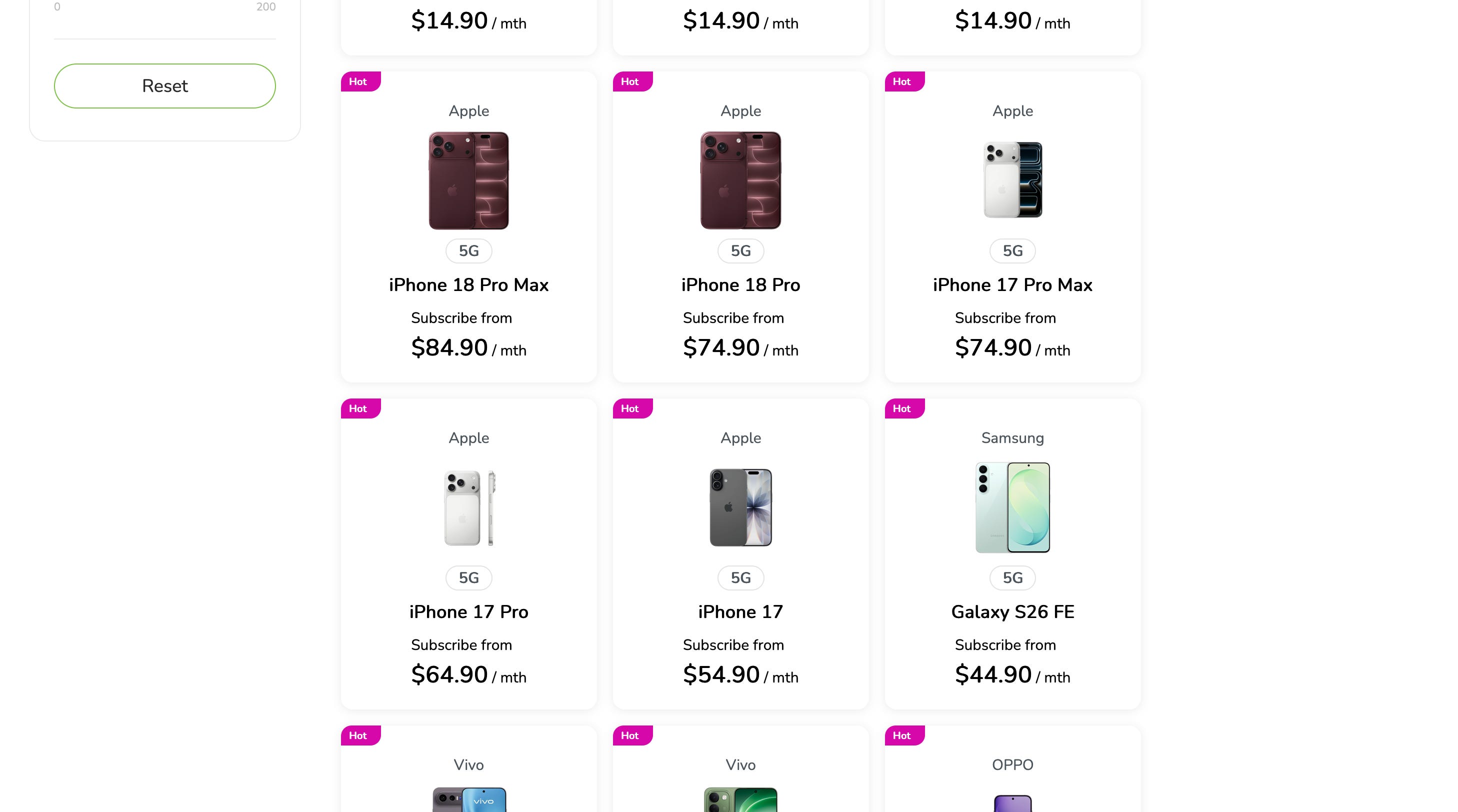
So how much would a device subscription from Swap Mobile cost you? Take for example, the 256GB iPhone 18 Pro Max, which is available with a S$84.90 monthly subscription. That works out to S$2,037.60, or about S$138.60 more than the S$1,899 cost of the iPhone from Apple. That’s honestly not a bad deal, especially since you can probably swap to a new iPhone in about a year.
It’s basically like buying a phone on contract from established telcos, except that there’s no upfront fee, and you can change the device more often.
Bear in mind though that you do not actually own the phone, and looking at the fine print on Swap Mobile’s website, they can lock you out of the phone if you fall behind on bill payment.
Lastly, Swap Mobile does offer device protection on top of the subscription, and depending on the device, may include it for free for higher-end devices. This includes accidental damage repair and exchange, theft claims, and tech support. If it doesn’t come free, then you’ll probably have to add it on when you get a plan.
This week, we tested Asus’ latest premium Zenbook laptop, blasted a ton of music with the JBL PartyBox 13 speaker, and tried the noise cancellation of Sony’s high-end headphones on a flight.
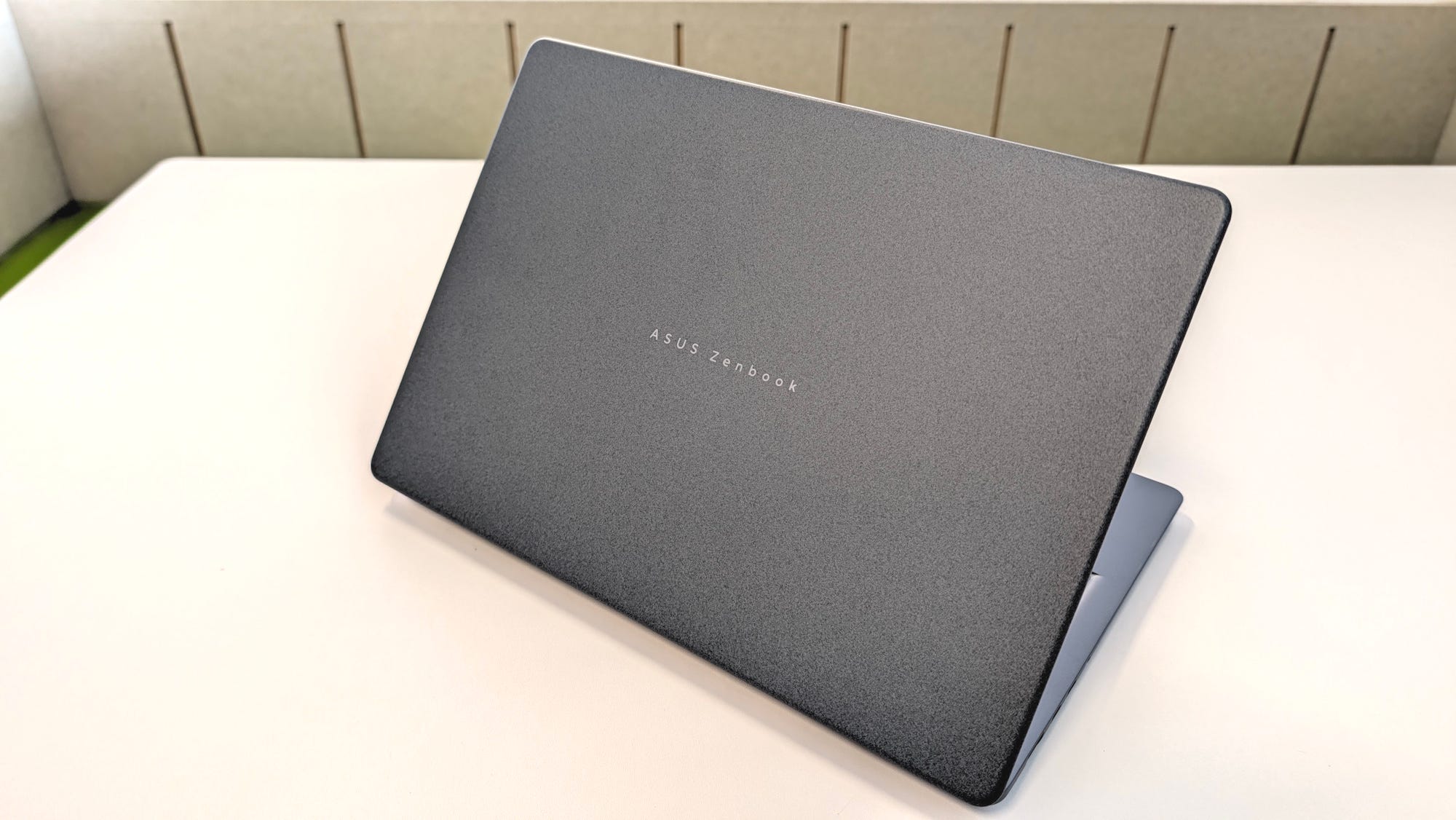
The Asus Zenbook 14 is the latest premium laptop from the PC maker, and features its patented Ceraluminum, a ceramic-like aluminium that’s more resistant to scratches and smudges than plain aluminium. I tested the Qualcomm-powered version (S$2,199) that’s cheaper than the AMD and Intel variants (over S$3,000), but that’s also because the chip is an older model. But the design and the port selection are more or less the same across all three version of the Zenbook 14.
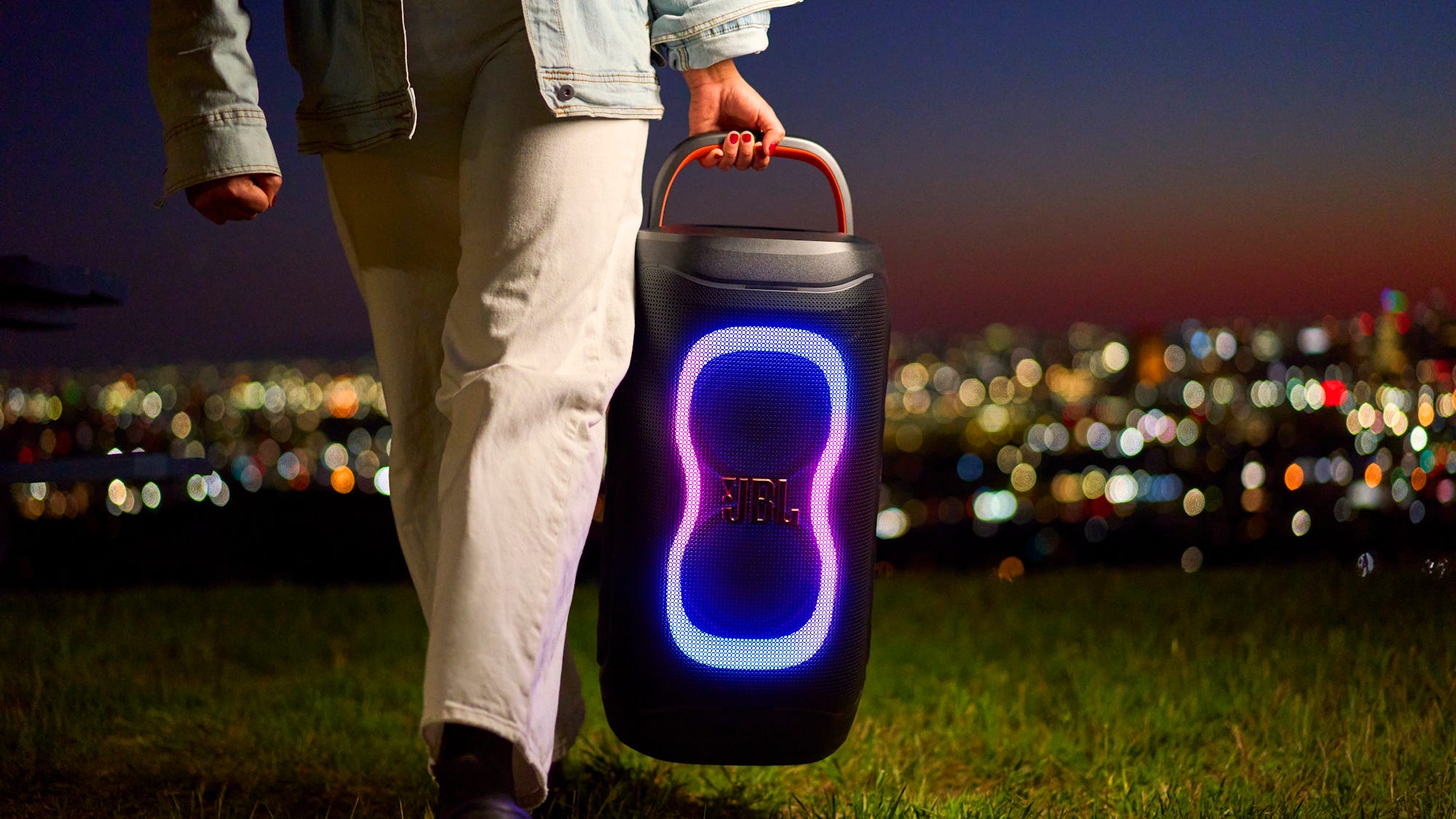
If you’re looking for a loud and flashy speaker to set the mood at a party or even act as a portable PA system, consider the JBL PartyBox 130. Besides the lightshow and the powerful sound, this 11kg speaker has a host of connectors that lets you plug in a guitar, microphone, and even connect to a TV. Using the JBL One app, you can even insert sound effects like a drum roll or applause, so it’s just perfect for gatherings and parties.
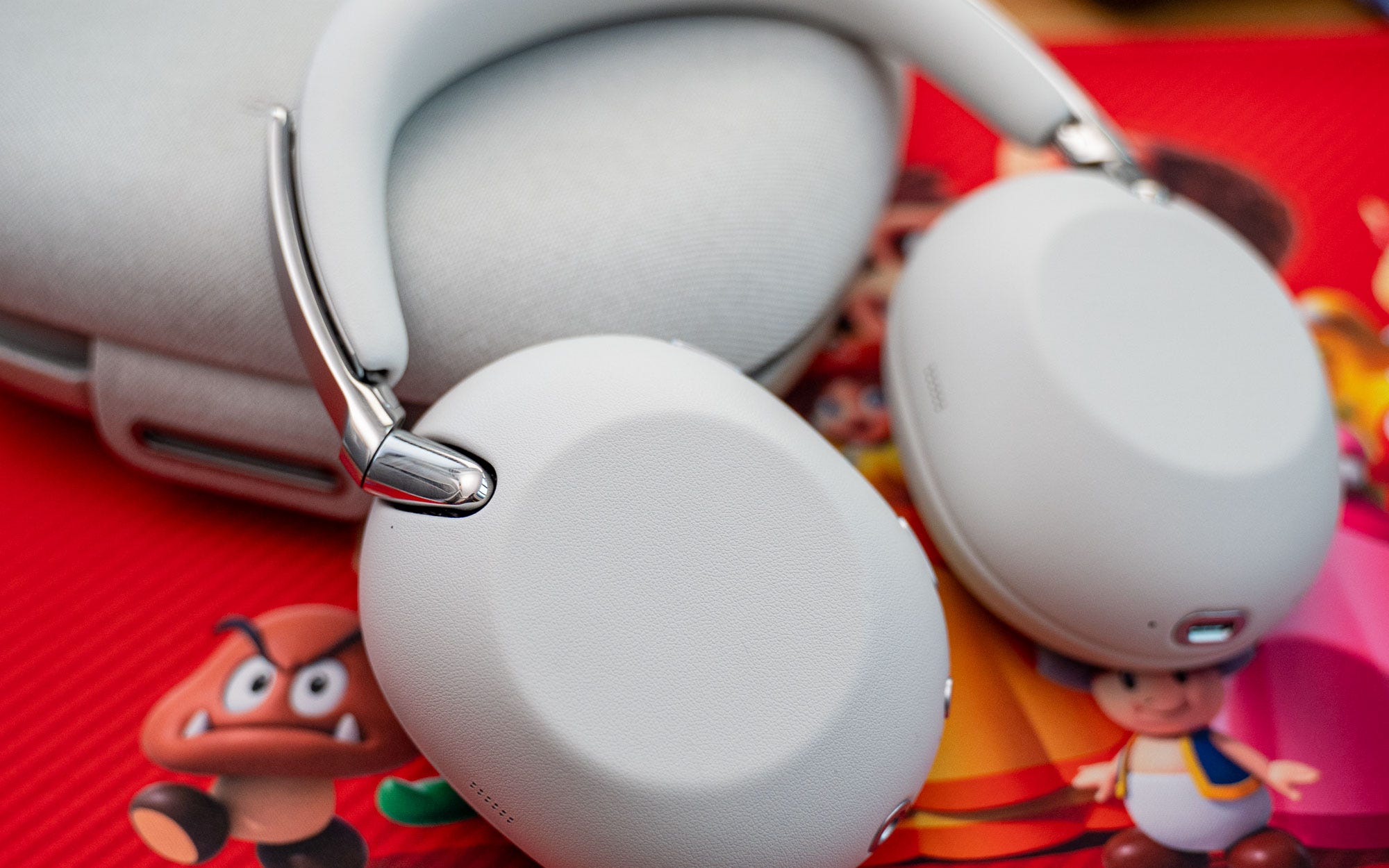
With a name like The Collexion, there’s little doubt that these Sony wireless headphones are designed for the premium category. And at S$839, they are definitely more expensive than average. For that money, you will get great sound with lots of detail and impressive noise cancellation. They are also very comfortable to wear, thanks to the plush headband and soft faux leather earcups.