

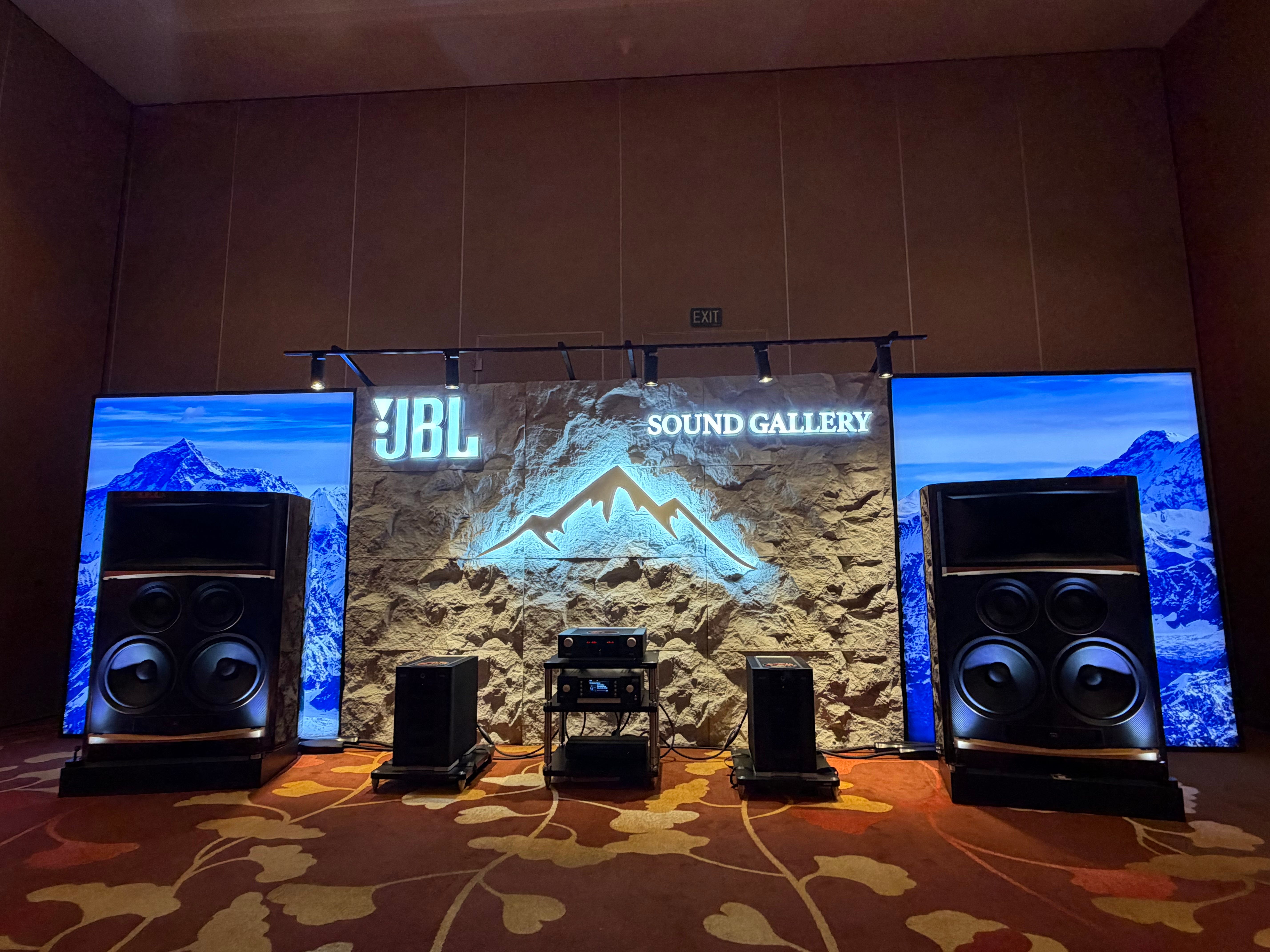
I popped by the inaugural StereoNET Asia Hi-Fi & AV Expo 2026 last weekend, where JBL was showing off its latest high-end speakers, the Summit Everest. It’s the biggest version in the Summit series, and also part of JBL’s legendary high-end Project series speakers, of which there were only four previously: Hartsfield, Paragon, Everest, and K2.
The Summit range are named after mountains. Aside from the huge Summit Everest, there’s Summit K2, Summit Makalu, Summit Pumori, and Summit Ama. Each speakers share a bunch of technology, including patented compression and dynamic drivers, HDI Sonoglass Horns, Hybrid Carbon Cellulose Composite Cone (HC4), and more.
But all these things sound like technobabble to me, since I don’t follow the audio tech as much as audiophiles. That said, I got a chance to listen to the Summit Everest speakers at JBL’s booth at the expo, and the sound was certainly impressive.
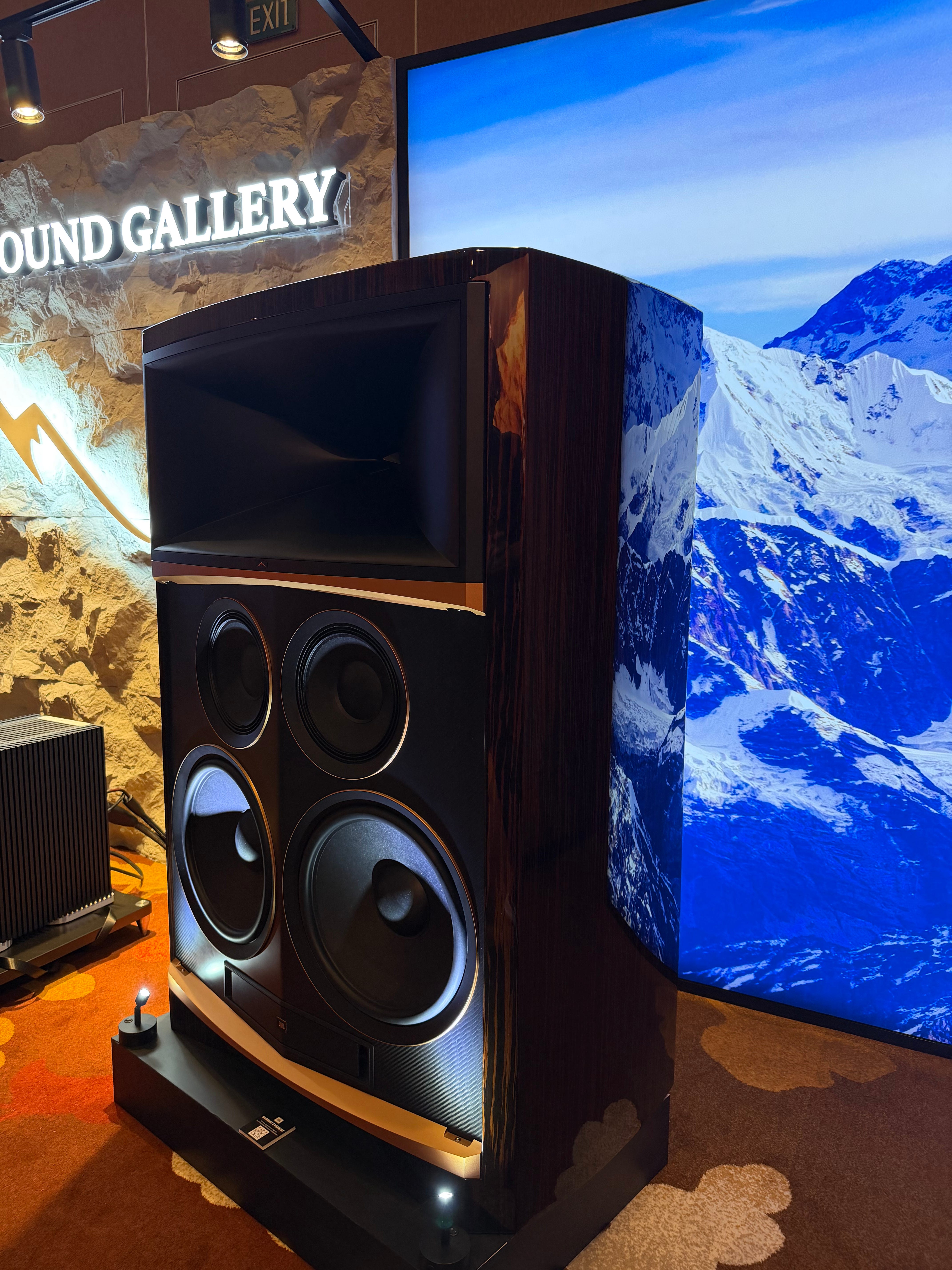
From the bassy rumbles of Geoff' Castelucci’s Sound of Silence, to the vocals of Holly Cole’s Take Me Home, the Summit Everest delivered. But I’ll admit, I wasn’t sure if I liked what I was hearing — especially for Take Me Home. The overall audio was a little flat for me, I was expecting a more encompassing sound.
But then again, audio is very subjective — one man’s meat could be another’s earworm (to paraphrase the proverb). That said, the speakers really shone for me when techno-track The Future is Unknown by Adriatique & Delhia de France came on. The deep and powerful bass, clear vocals, and overall volume really showcased the power of the Summit Everest.
So I guess the question is, are these speakers really worth the S$199,000 price tag? I don’t think I have the right ears to make the call. But for high-network individuals for which this pair of speakers are chump change, and want something they can treat their ears for, this is probably it.
This week, we tried two new Nintendo Switch games that revive long-dormant franchises, and heard a bunch of music on the Marshall Stockwell III, which is the first new iteration in seven years.
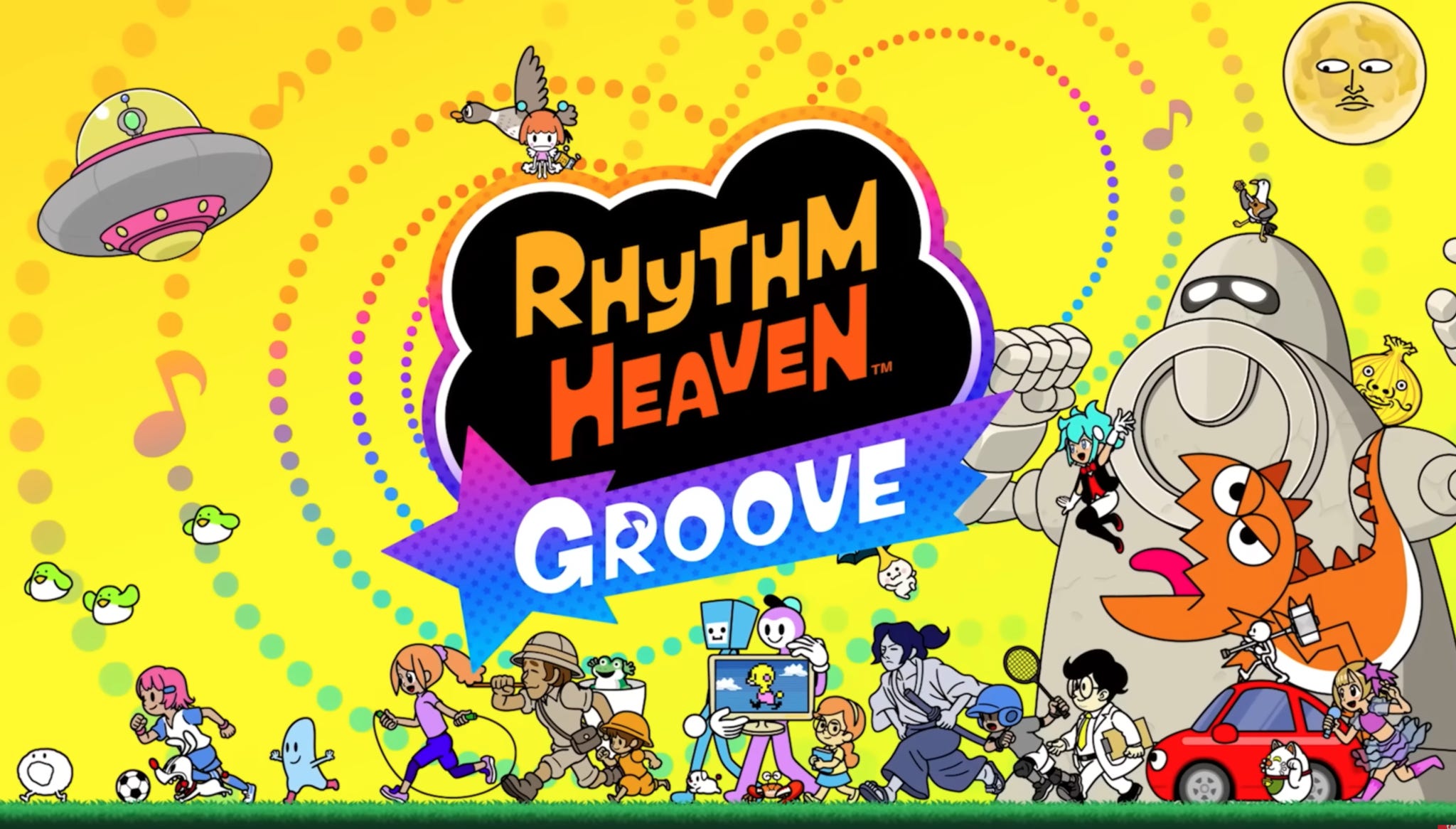
A new game in the series in a decade, Rhythm Heaven Groove tells quirky stories through its rhythmic gameplay and its deliberately basic and seemingly hand-drawn 2D graphics. There are over 80 minigames in the Solo game mode, while its four-player multiplayer co-op mode has over 30 minigames. Overall, it’s a solid game that’s fun and charming.
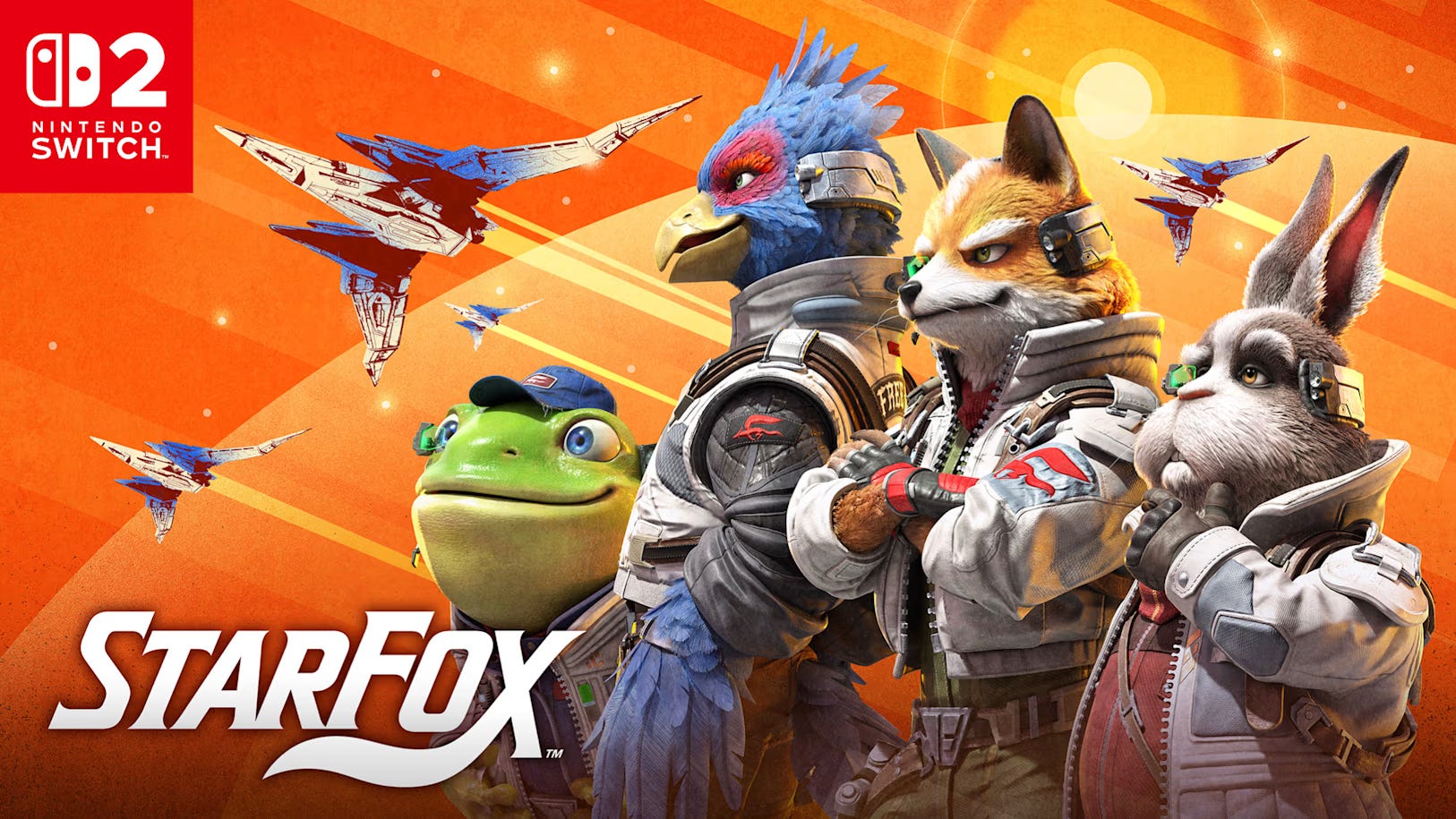
Made for the Nintendo Switch 2, the new Starfox is fun but short. This on-rails flying simulator has just seven missions in its campaign, though there’s plenty of replayability if you’re aiming all the medals. The visuals look great with unique environments. And it also supports the Switch 2’s mouse mode if you want a bit more control.
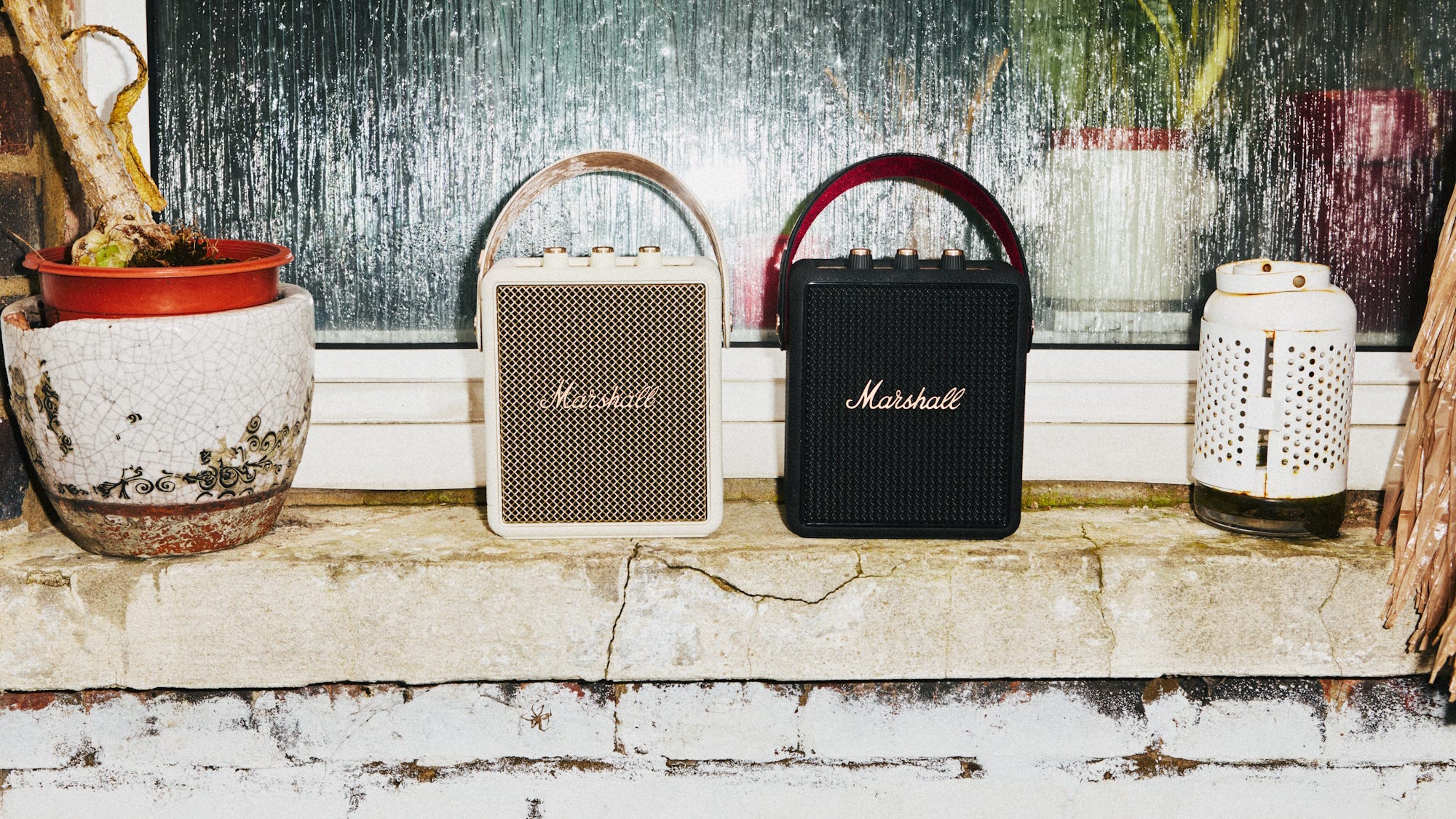
The Marshall Stockwell III is the first refresh of this portable Bluetooth speaker in seven years. Unsurprisingly, there are lots of changes, notably battery life has doubled to over 40 hours, while water and dust resistance has been upgraded from IPX4 to IP55. The multi-directional 360-degree sound works great. The design, though, is mostly the same, but the new model has a few more buttons, including a customisable button that feels under-used at this point.