

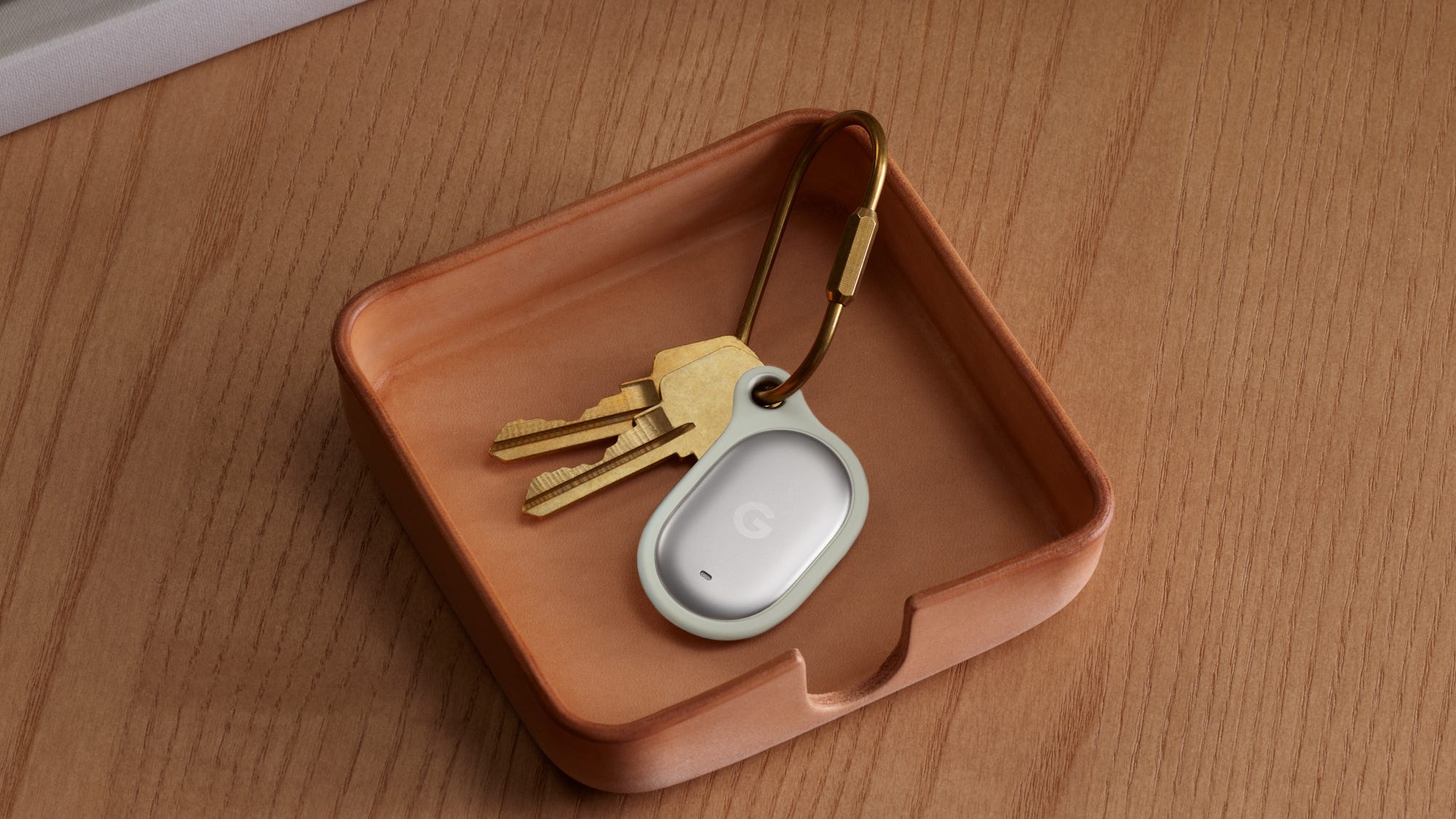
Google’s apparent quest to emulate Apple’s ecosystem goes on with the introduction of the Google Pixel Tag, an oval-shaped smart tracker that can be attached to important stuff like keys and wallet so you’ll always know where they are. In short, it’s Google’s take on the Apple AirTag.
Coming a year after Google introduced Pixelsnap, its MagSafe-like magnetic wireless charging tech, I’ll say there’s a trend here. In any case, the Google Pixel Tag is priced at S$45 — same price as the AirTag — and available in Singapore from Nov 11.
Of course, the Pixel Tag is merely the appetiser. Google is also rolling out new Pixel devices this month. In fact, pre-orders are open now at the usual places: Singtel, Starhub, Shopee, Lazada, Harvey Norman, Best Denki, Courts, Metapod.
First up, we have the Pixel 11 Pro phones, which like last year’s lineup, consists of a larger 6.8-inch Pro XL and a 6.3-inch Pro. Both versions are essentially the same phone, except for the screen size (and price).
The most obvious change in the Pixel 11 phones is the redesigned camera bar. This camera visor now features edge-to-edge glass, which means discerning Pixel users can instantly spot the Pixel 11 over older models with just a glance, even with a protective case. Very Apple-like, if you ask me.
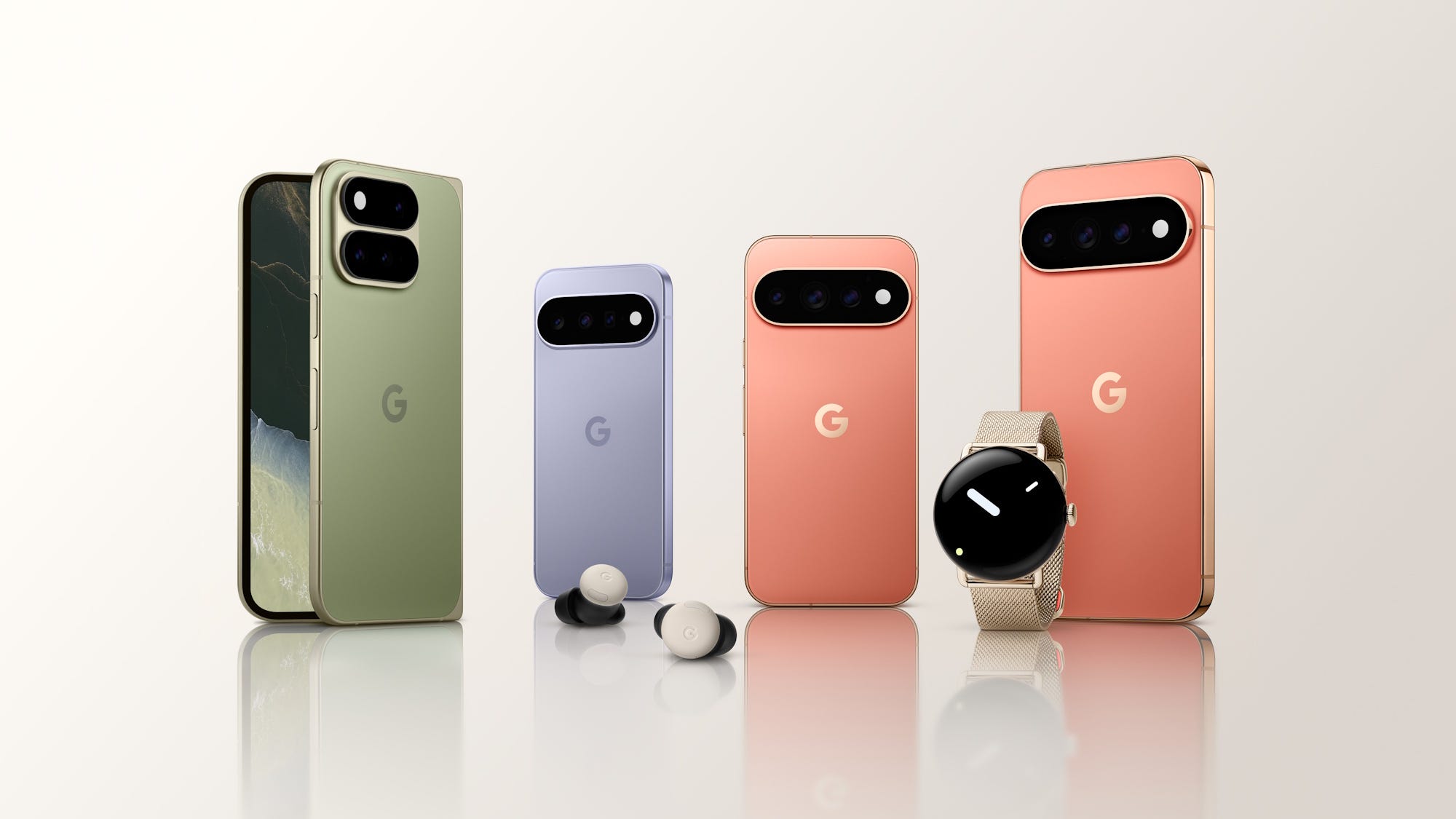
There’s also a new HiLight feature, an LED indicator on the camera bar that can convey information discreetly, when the Pixel 11 phone is face-down. For example, this LED will glow a specific colour when getting a call from a favourite contact. The LED will also light up if you ask Gemini a question. That’s seemingly all it can do for now. If you ask me, it looks like a more basic version of the Glyph interface on Nothing phones. Hopefully, Google will add more functionality in the future because it feels mid at the moment.
The actual hardware upgrades — besides the new Tensor G6 processor — are far and few between, at least from the specs. The Pixel 11 Pro phones now come with slightly brighter screens that are also said to be more scratch resistant. The cameras have been reworked, with a new 120x Pro Zoom feature on the Pro models.
But the hardware is just part of the story when it comes to the Pixel phones, which have always been about the software, especially the AI-powered features. This year is no different, with several features that we saw at Google I/O rolling out on the Pixel 11 phones, such as Rambler, which removes the “um” and “ah” sounds and run-on sentences when you’re dictating a message. Circle to Search now works directly from the camera app — no more having to take a photo, then circling an object to search — while Live Translate can now work on media like videos and podcasts.
However, you’ll have to pay more for the Pixel 11 Pro phones. The Pixel 11 Pro starts at S$1,599, up from S$1,459, albeit with an increase in base storage to 256GB. The Pixel 11 Pro XL starts from S$1,819, up from S$1,739.
Meanwhile, the more mainstream Pixel 11 starts at S$1,299 for the base 256GB version — there’s no more 128GB model — which raises the price of entry compared with the Pixel 10 (from S$1,199 for the 128GB). But in this memory-starved climate, it’s not something to sneer at. Especially since the memory is also the faster UFS 4.0 variant like the Pro models, and not the UFS 3.1 used by the Pixel 10.
This memory upgrade, along with a better main camera, and of course the same Google Tensor G6 chip as the other Pixel 11 phones, are the main improvements over last year’s model. But like the Pixel 10, the Pixel 11 still supports Wi-Fi 6E, which I would remind everyone again, is a downgrade from the Wi-Fi 7 on the Pixel 9.
For those who are into foldables, the new Pixel 11 Pro Fold is thinner and lighter (by about 20g), and comes with brighter screens and slightly better cameras. But unlike Samsung and its new Galaxy Z Fold 8, Google has retained the same form factor and design. Prices start at S$2,499, which is S$100 more than the Pixel 10 Pro Fold.
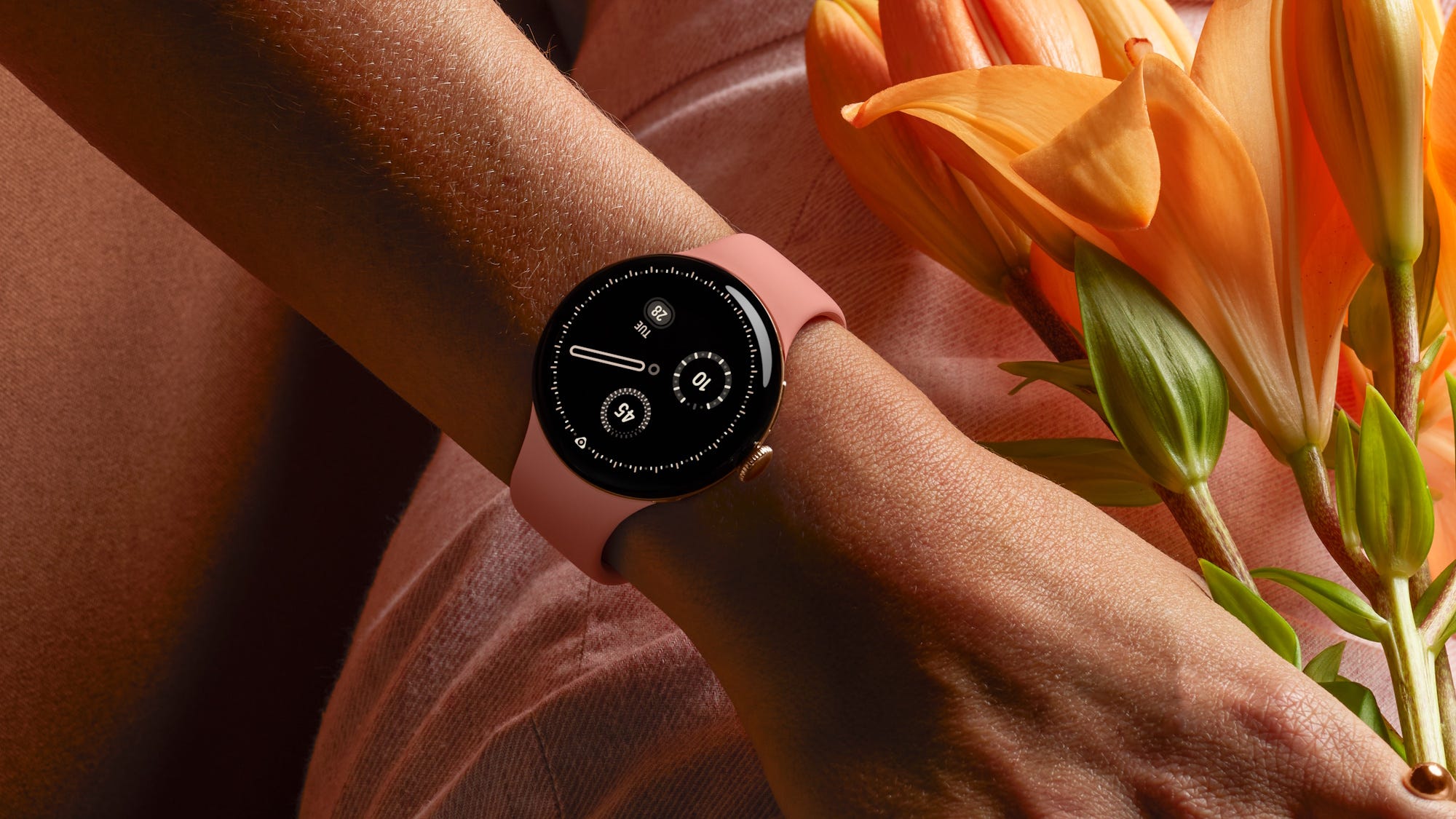
Lastly, the new Pixel Watch 5 offers a host of upgrades, from a faster processor to new health and fitness tracking features. Even the look of the watch is different with a revamped complication system, as well as the ability to use AI to create your own watch faces. Gestures also now work with more apps, and there’s even more Gemini integration than before. Prices start from S$569 (41mm) and S$599 (45mm).
We’ll have more to report once we get our hands on the actual review units. Stay tuned for the reviews next week!
This week, we checked out Nothing’s latest affordable mid-range phone, an interesting AI camera, and the new iteration of Samsung’s flip phone.
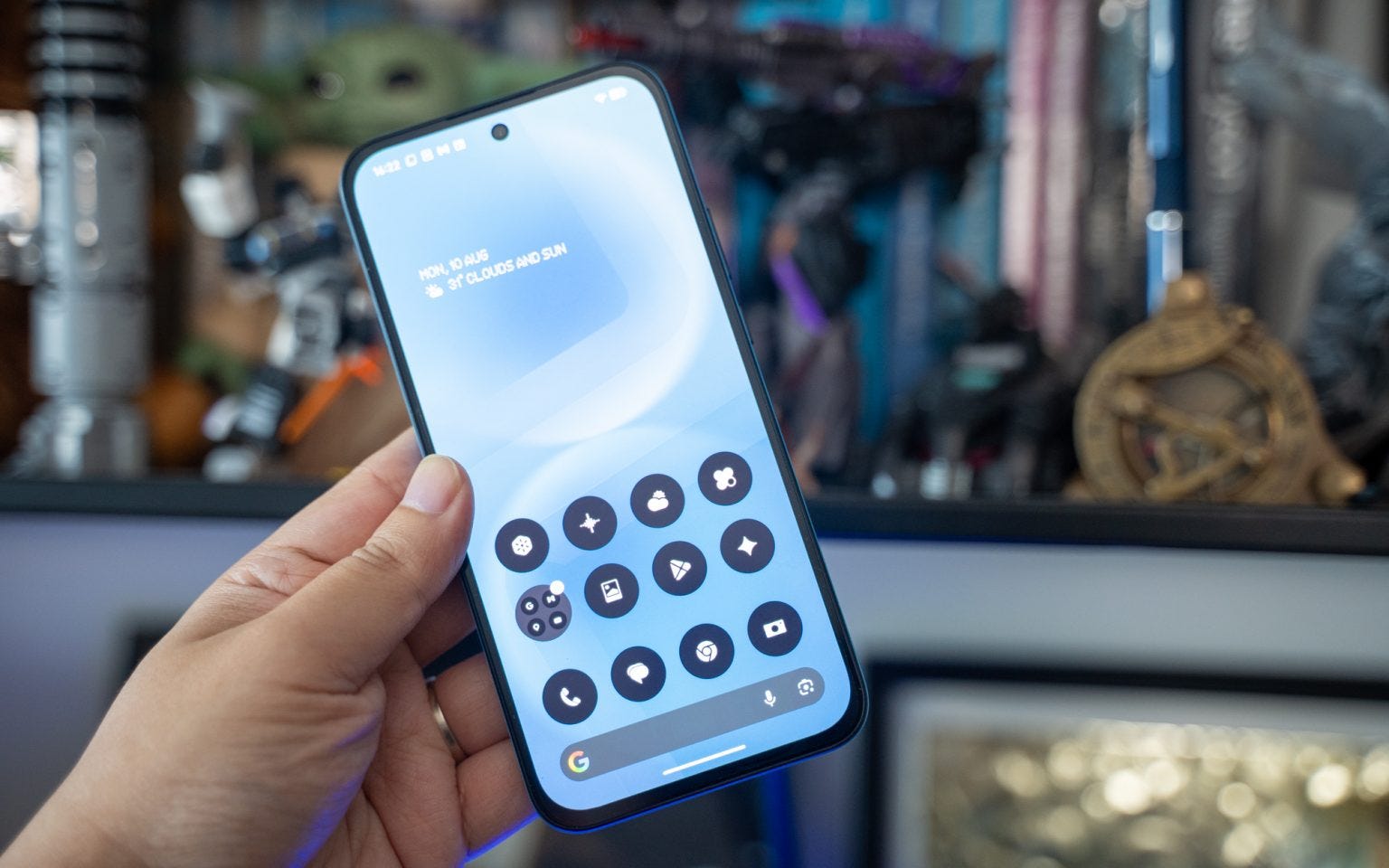
If you have a tight budget for a new mid-range smartphone, consider the Nothing Phone 4b, which starts at S$499. While it has a nice minimalist design, the camera and display are nothing to shout about. Storage is also rather paltry at 128GB, though the battery is slightly larger than the Nothing Phone 4a. Its clean and relatively uncluttered user interface is another plus.
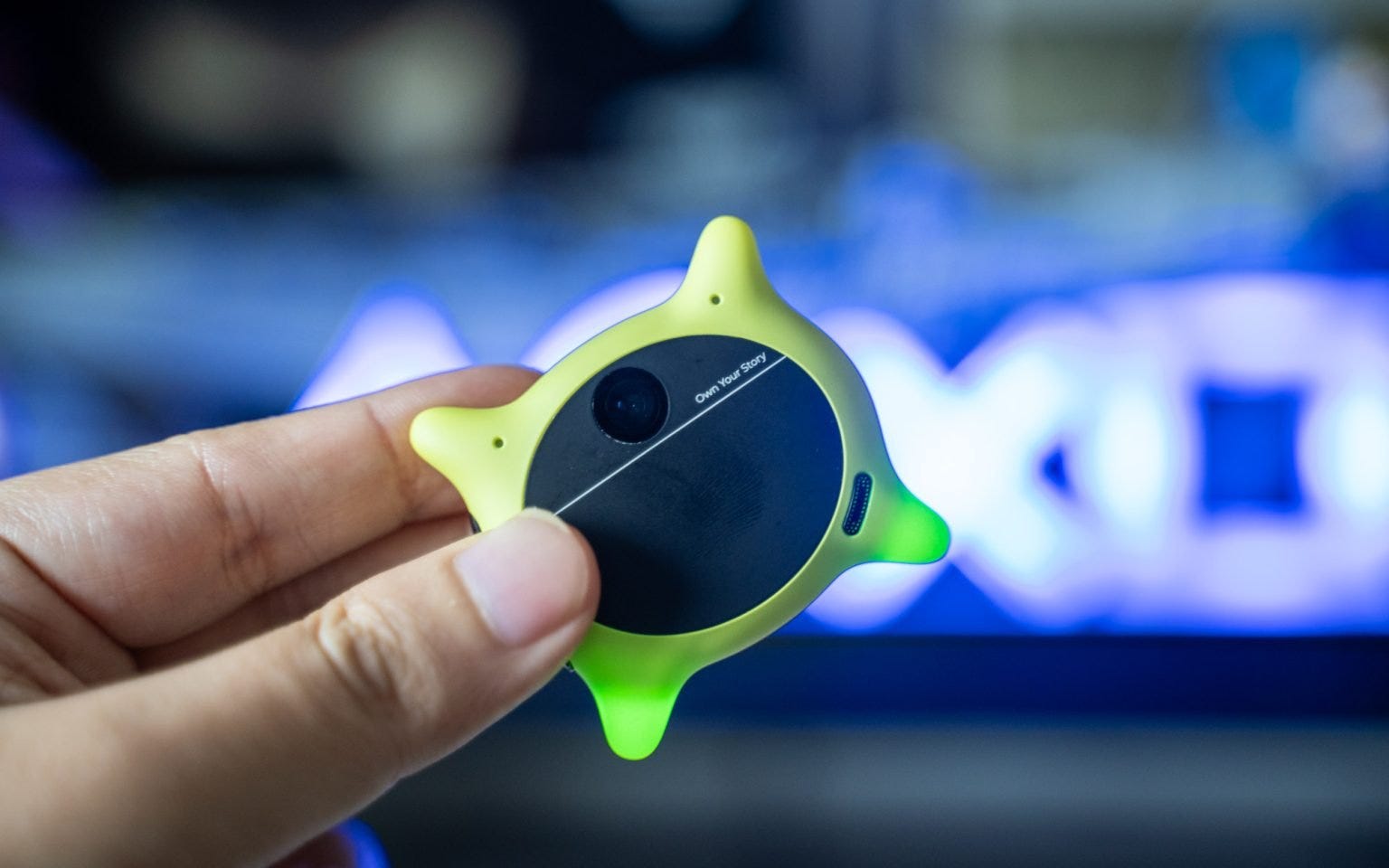
The Looki L1 AI camera is an interesting use of AI. Clip it to your shirt or bag and start the Story AI mode to get it to automatically see and hear what you’re doing, before producing a cool recap of your day, which includes comic-style pictures. But the AI does hallucinate at times, and there are question marks over privacy, especially since it will likely capture other folks, who obviously didn’t consent to being recorded.
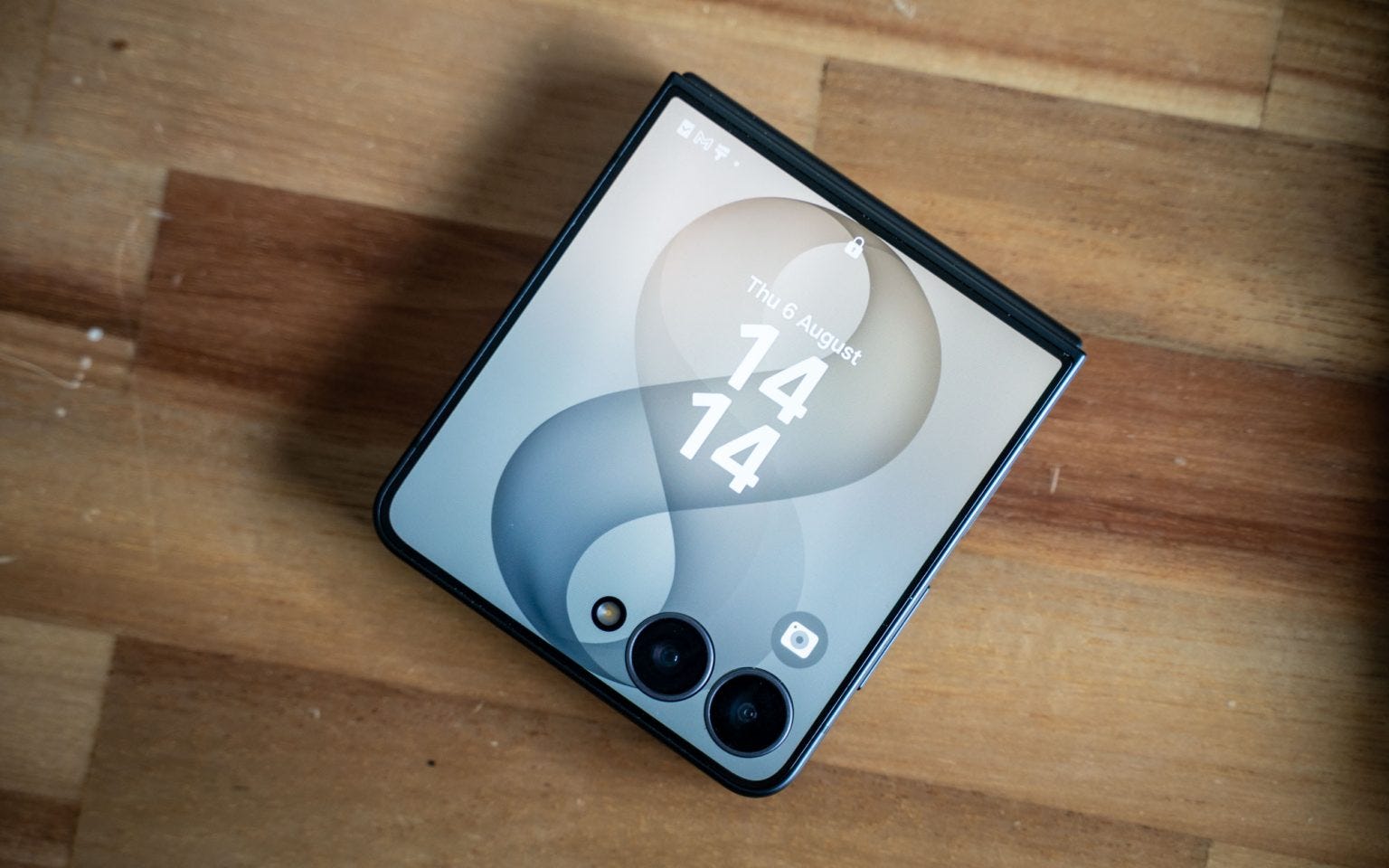
With Samsung focusing on the new shorter Galaxy Z Fold 8, it’s perhaps understandable that this year’s Galaxy Z Flip 8 only received minor upgrades. It’s slimmer and lighter than the previous version, but the rest of the hardware (camera and battery) remains the same. You’ll also get all the Galaxy AI features that are on Samsung’s premium smartphones.