

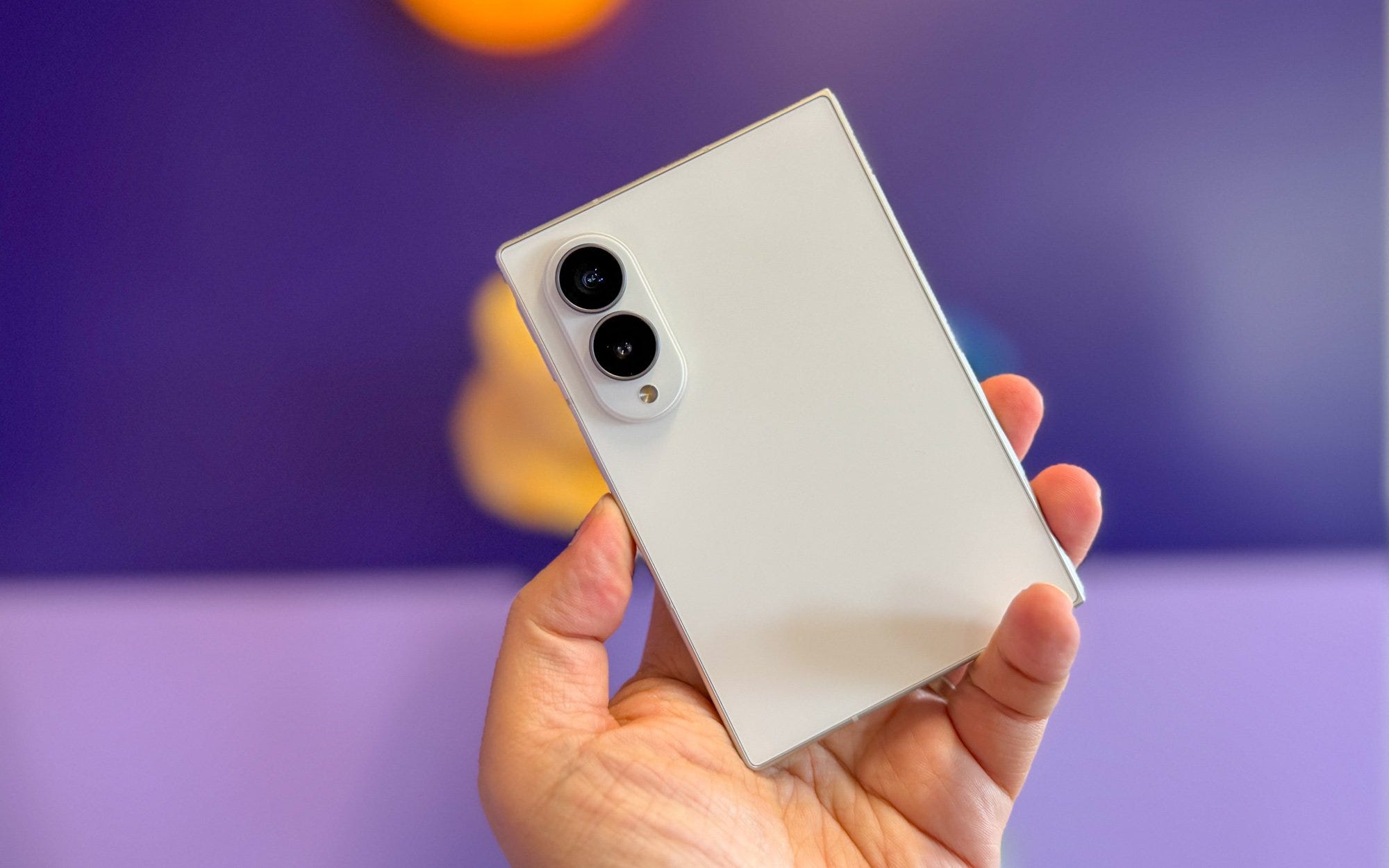
I had the privilege to get my hands on the latest Samsung Galaxy foldables at an exclusive preview event before last night’s official reveal. To no one’s surprise, Samsung showed off a new, more pocketable foldable. Dubbed the Galaxy Z Fold 8, it sports a shorter 5.5-inch cover screen, which unfolds to a 7.6-inch main screen.
Samsung says this new passport-like form factor lets users move easily from quick interactions on the cover screen to the main display, and is “designed around the way people naturally consume content”. In other words, it’s the Z Fold that Samsung thinks the average user, who’s more into consuming content, and not too fussed about being able to use Excel on their phones, should buy.
Compared with the Galaxy Z Fold 8 Ultra, which is what Samsung has renamed the Galaxy foldable that we have seen over the years, the newcomer is also slightly cheaper (by S$300), though its S$2,498 starting price remains far from affordable. It also only has two rear cameras compared with three for the Galaxy Z Fold 8 Ultra, which retains the same screens (8-inch main and 6.5-inch cover) as its predecessor.
My first impression: Samsung didn’t miss a beat when it comes to the hardware. The new foldables are about as thin as it gets, and still accommodate a USB-C port. The crease is practically invisible when looking at the screen straight-on. They are also easier to unfold than last year’s models. Samsung even managed to increase the battery capacity this time, though competing foldables from Chinese brands still offer larger batteries.
But when it came to the software and user experience, I think Samsung, Google and other foldable manufacturers have hit a wall. There wasn’t anything particularly new that stood out. Sure, all the foldables made use of their form factors to make multi-tasking a breeze, to let users take the best selfies using the better rear cameras and the cover screen to help align and frame subjects. Yes, there are even more agentic AI-powered experiences integrated into these phones.
At the end of the day, despite a new foldable that offers an aspect ratio for modern content consumption — the cover screen looks the right size for short-form content — while the main display feels like existing ebook readers, I can’t say there’s anything really compelling about the new models. Instead, I’m looking forward to see what Apple will bring to the foldable scene.
It’s no secret that Apple is preparing to launch its first-ever foldable in September. In fact, it’s rumoured to have a similar 5.5-inch screen as the Galaxy Z Fold 8 when closed, but Apple’s version supposedly unfolds to a 7.8-inch display. I’m sure Apple will nail the hardware with a thin but durable design, a near-invisible crease and more. But will Apple have new ideas or introduce new user experiences that the other manufacturers have yet to explore?
I sure hope so, because I think the hardware part is mostly solved. You can maybe eke out incremental improvements, but short of breakthroughs in materials science, there isn’t much left to improve. I can’t be the only one who feels that way, that we’re all just waiting for Apple to make that perfect tweak that will be copied by everyone and be in every foldable next year.
This week, we tried a new ultra-portable from Lenovo that impressed with its performance and portability, watched a lot of TV on TCL’s glorious SQD Mini-LED TV, and charged everything we could think of using Belkin’s new handy GaN chargers.
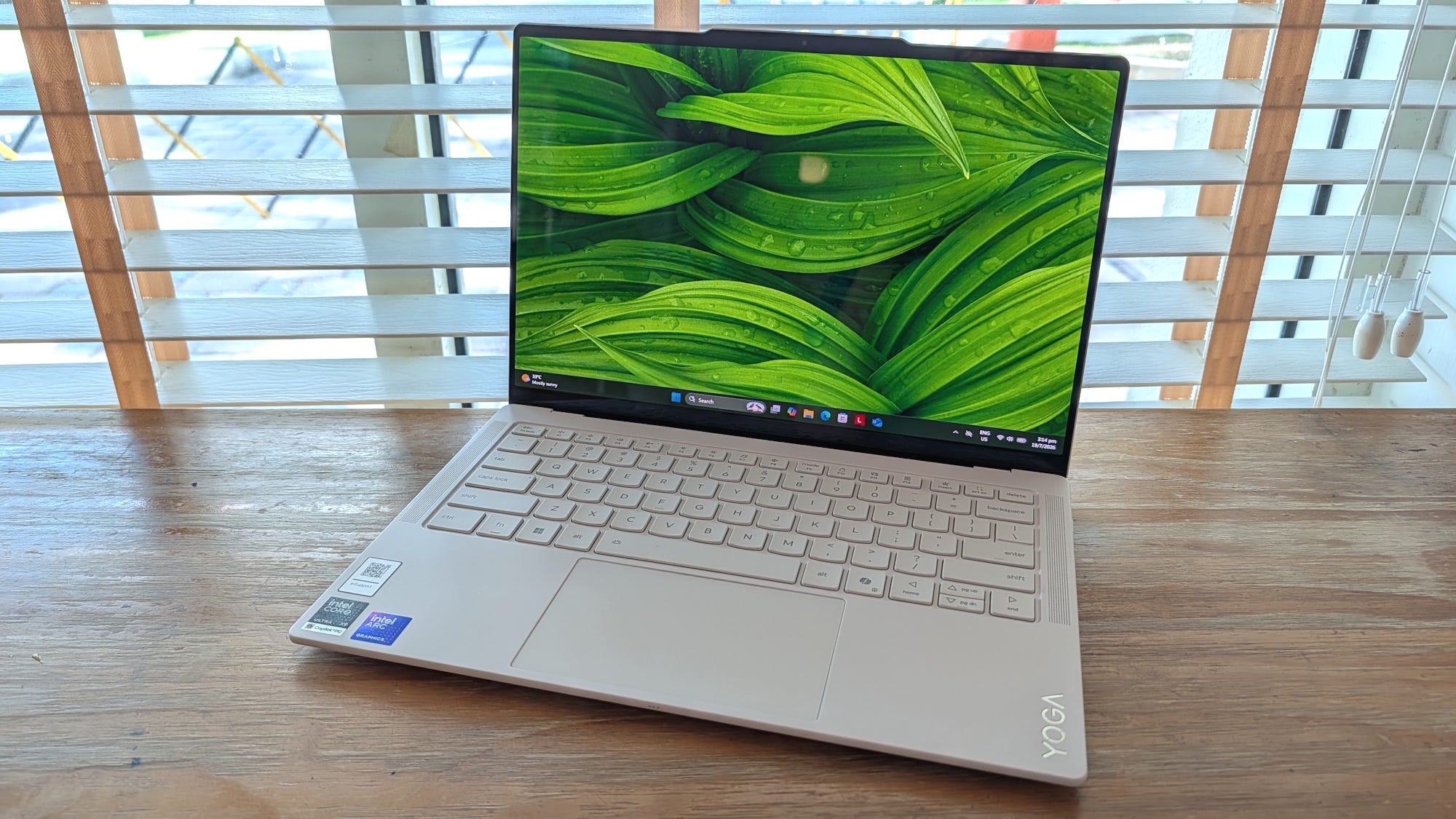
If you’re looking for a capable and lightweight laptop, the Lenovo Yoga Slim 7i Ultra Aura Edition fits the bill. It weighs less than a kilogram, and is so thin that it cannot accommodate a USB-A port. It’s powerful, too, and sports Intel’s latest Core Ultra 3 processors, along with a battery that will easily last you the entire day.

Despite all the hype around RGB Mini-LED TVs, TCL was confident enough about its Super Quantum Dot tech to put it in its flagship TV this year. The C8L is the step-down model that offers many of the same flagship features, but at a lower price. It’s still a premium Mini-LED TV, even though it’s cheaper than a mid-range OLED TV.
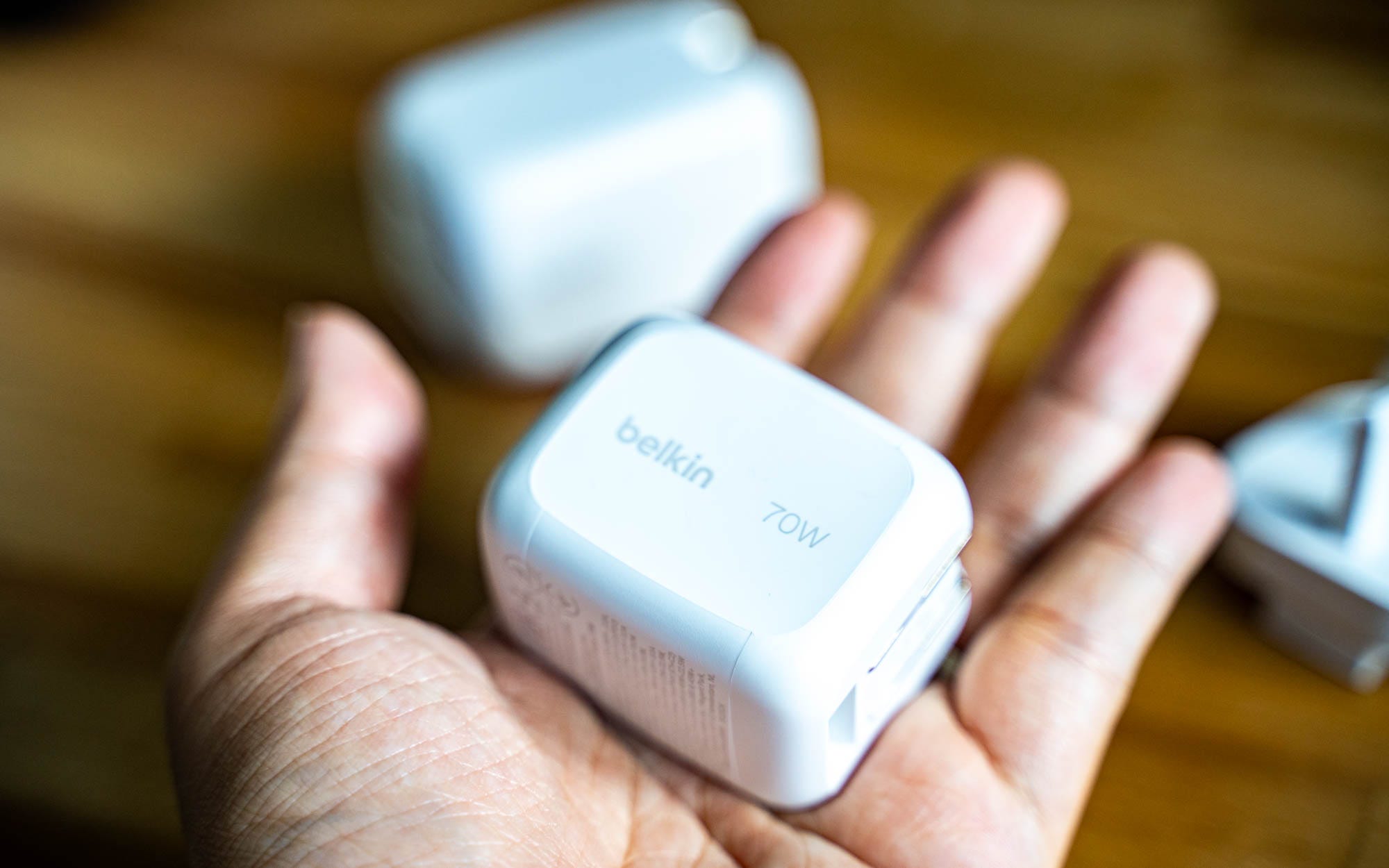
The Belkin BoostCharge Pro 3-Port GaN charger comes in two versions: 70W and 100W. Both versions use a flat 2-pin plug by default, but offers an interchangeable UK 3-pin plug tip. They have the same three ports (2x USB-C and one USB-A), though the 70W model is small, and fits in the pocket. Besides the difference in output, the 70W version is also cheaper (S$79), and is probably good enough for most folks.