


Dell’s gamble on the XPS 13, a Windows riposte to the Apple MacBook Neo, must have paid off hugely. Because the PC maker appears to be doubling down on this “premium” budget category with the new Dell 14S.
Designed to be “complementary to XPS 13 and accessible for students and young adults globally”, the Dell 14S has an aluminium chassis that’s thin (13.5mm) and light (1.15kg), a pretty decent display (up to a 2.8K, 120Hz 14-inch screen), and promises all-day battery life of up to 21 hours of Netflix streaming. Oh, and it comes in four expressive colours, like the MacBook Neo, of course.
The Dell 14S is powered by Intel’s Core 5 and Core 7 Series 3 processors, with either 8GB or 16GB of memory, and with a solid state drive of up to 1TB. But the latter two components will likely increase the price significantly if you go for the highest-end options.
We don’t know the Singapore pricing for the Dell 14S yet, which is expected to roll out first in the United States. The older Dell XPS 13 currently starts at S$1,369 in Singapore, which is already more than the S$1,229 price reported in July. So it’s quite likely that the Dell 14S’s price will be in this ballpark.
Just a year or two ago, I wouldn’t consider paying over S$1,000 for a so-called budget laptop. But we’re living in strange times, with a memory shortage that’s pushing prices up for almost all consumer tech products. And true budget Windows laptops are looking scarce. Looking at the online prices of laptops from the big PC makers, Acer has just six laptops below S$1,000, Asus has five, but HP only has a single model, and Lenovo has none. Even the MacBook Neo starts from S$999. Your best bet for a decent, sub-S$1,000 laptop is probably an older model that’s on sale from retailers.
Along with the Dell 14S, Dell also launched a couple of new Alienware OLED gaming monitors as part of its IFA 2026 announcement. This mega consumer tech show, which starts from Sep 4 in Berlin, will offer plenty of new gadgets, especially in the home appliances and home entertainment fields.
So far, there has been some interesting stuff, like TP-Link’s reveal of Wi-Fi 8 routers, Sonos launching souped-up versions of its Beam soundbar and Ace headphones (hopefully, we’ll get hands-on soon), and LG going all-in on AI with ThinQ Claw, an text-chat-based AI agent that’s supposed to understand users and connect them to the appropriate services and devices.
This week, we tried out the Poco F9 Ultra, a flagship killer that aims to rival top phones, tested Xiaomi’s most expensive security camera, which comes with a telephoto camera, and dropped the Redmi Note 17 Pro Max 5G more than a few times.
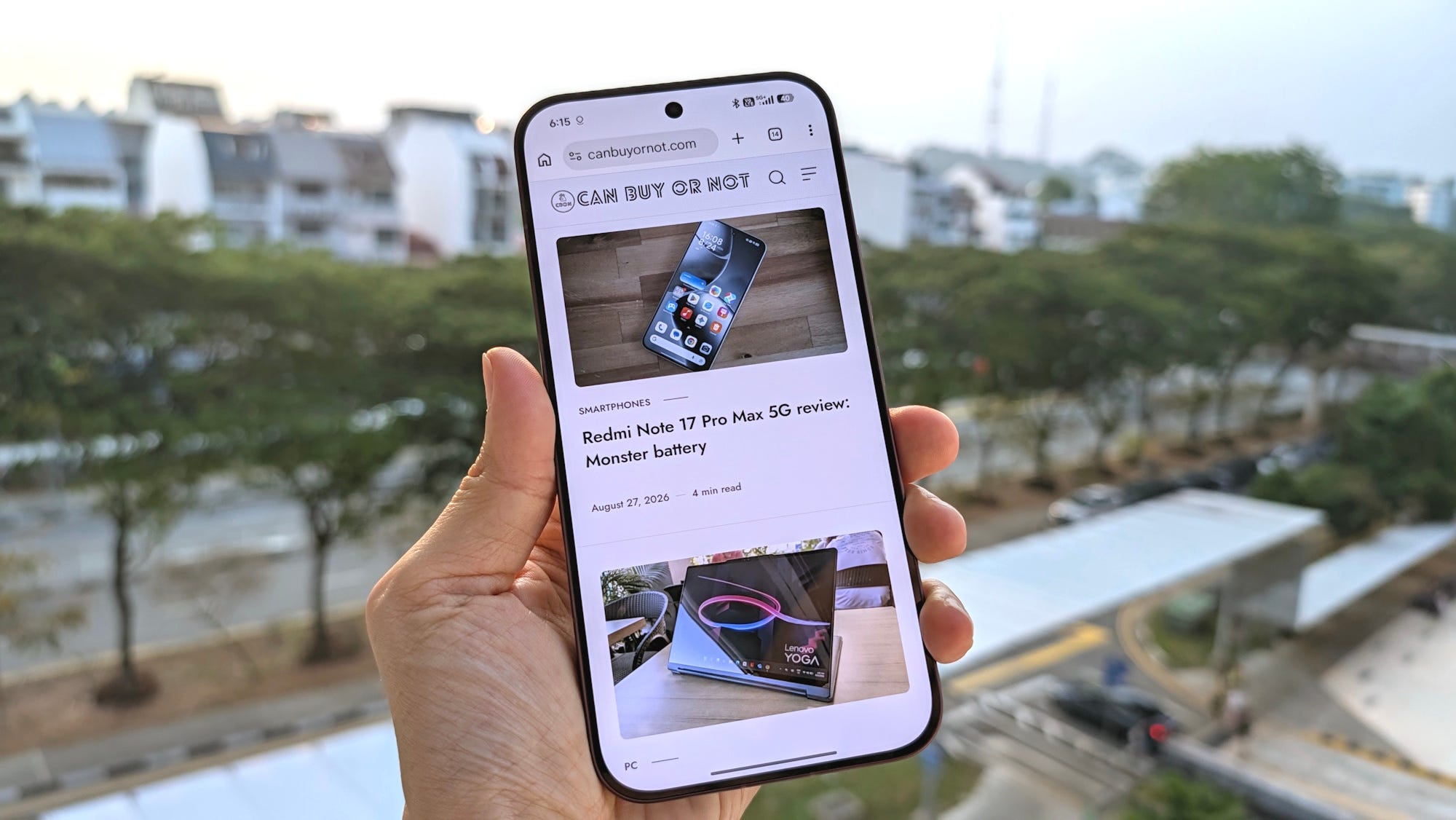
The Poco F9 Ultra improves on the main camera and display of its predecessor, while also increasing the battery capacity. However, the price, too, has gone up, and the phone is also a bit heavier. Since it uses the same processor as the previous F8 Ultra, the latter, which is cheaper now, may make more sense if you’re looking to max out the price and performance ratio.
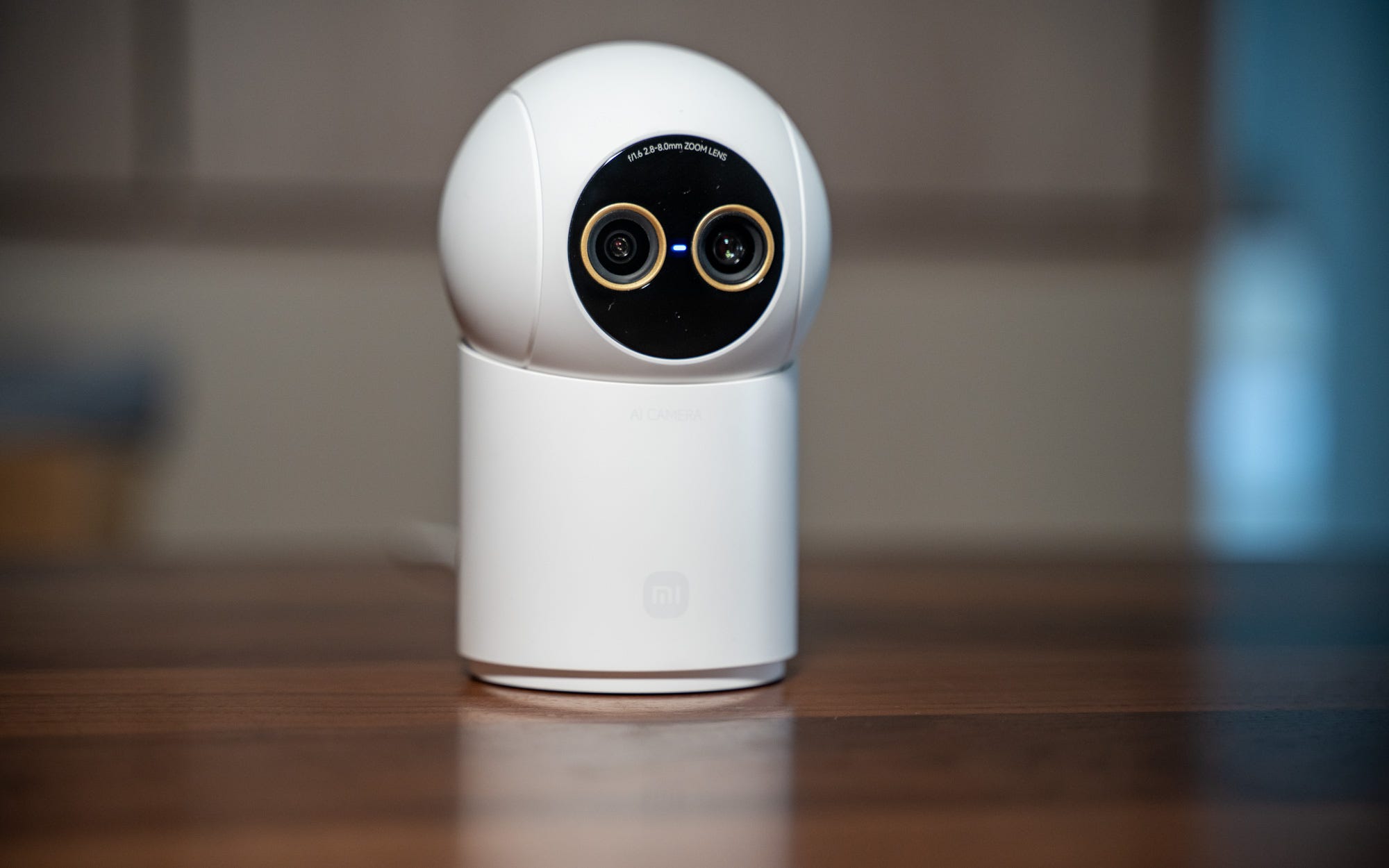
The Xiaomi C701 stands out among home security cameras with an additional 5MP telephoto camera that can capture far-off objects with more detail. It also has a whole bunch of AI-powered features to detect pets, or unusual sounds like crashes. Despite being the most expensive security camera from Xiaomi (S$139), it delivers the desired image quality.
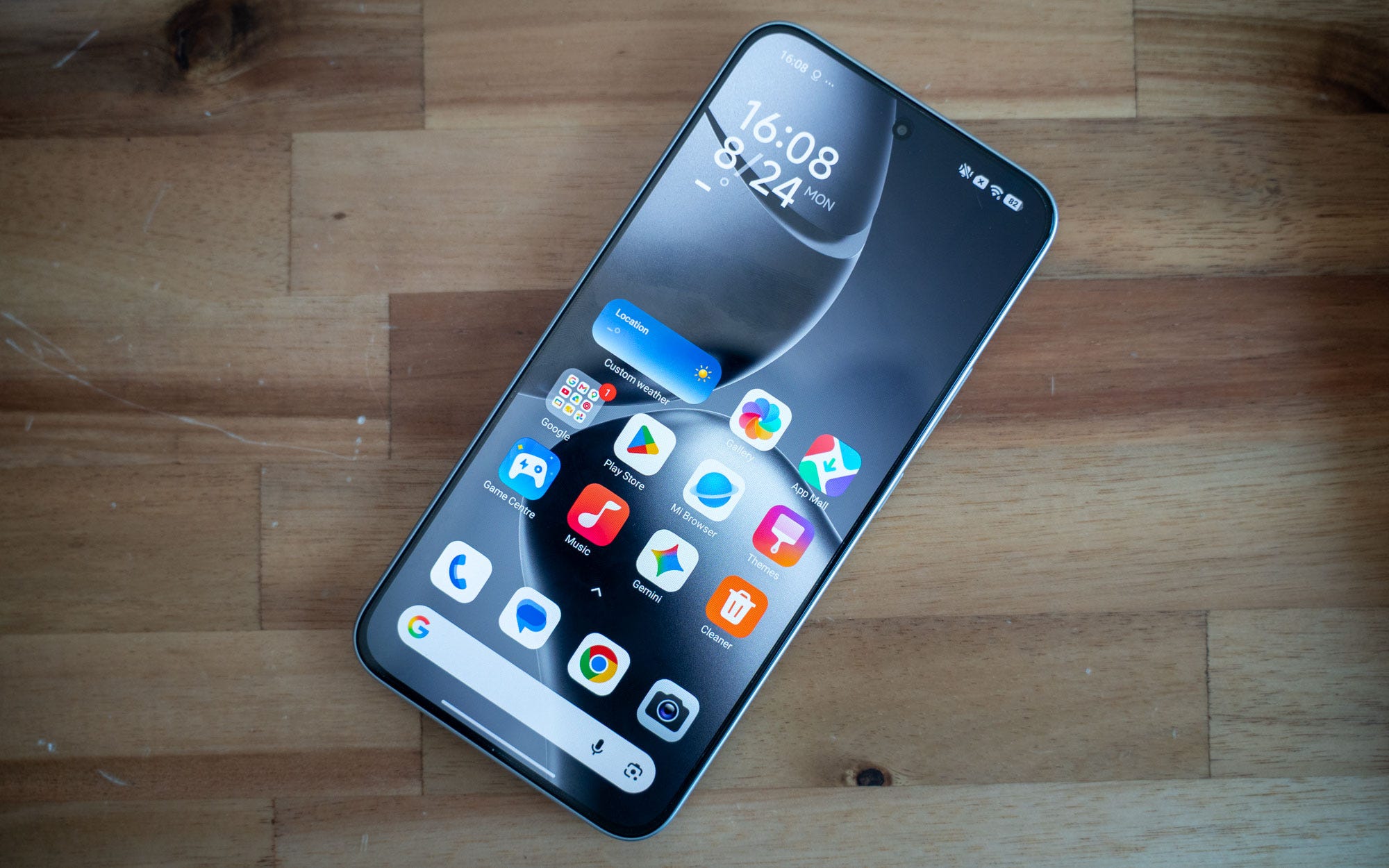
With a truly massive 10,000mAh battery, the Redmi Note 17 Pro Max 5G has battery for days. It lasted the longest (over 16 hours) in our battery test, and has quick 100W wired charging to replenish that huge battery. The phone itself also seems durable, with a display that’s rated for a 3m drop resistance, as well as being able to survive 72 hours in two metres of water.