

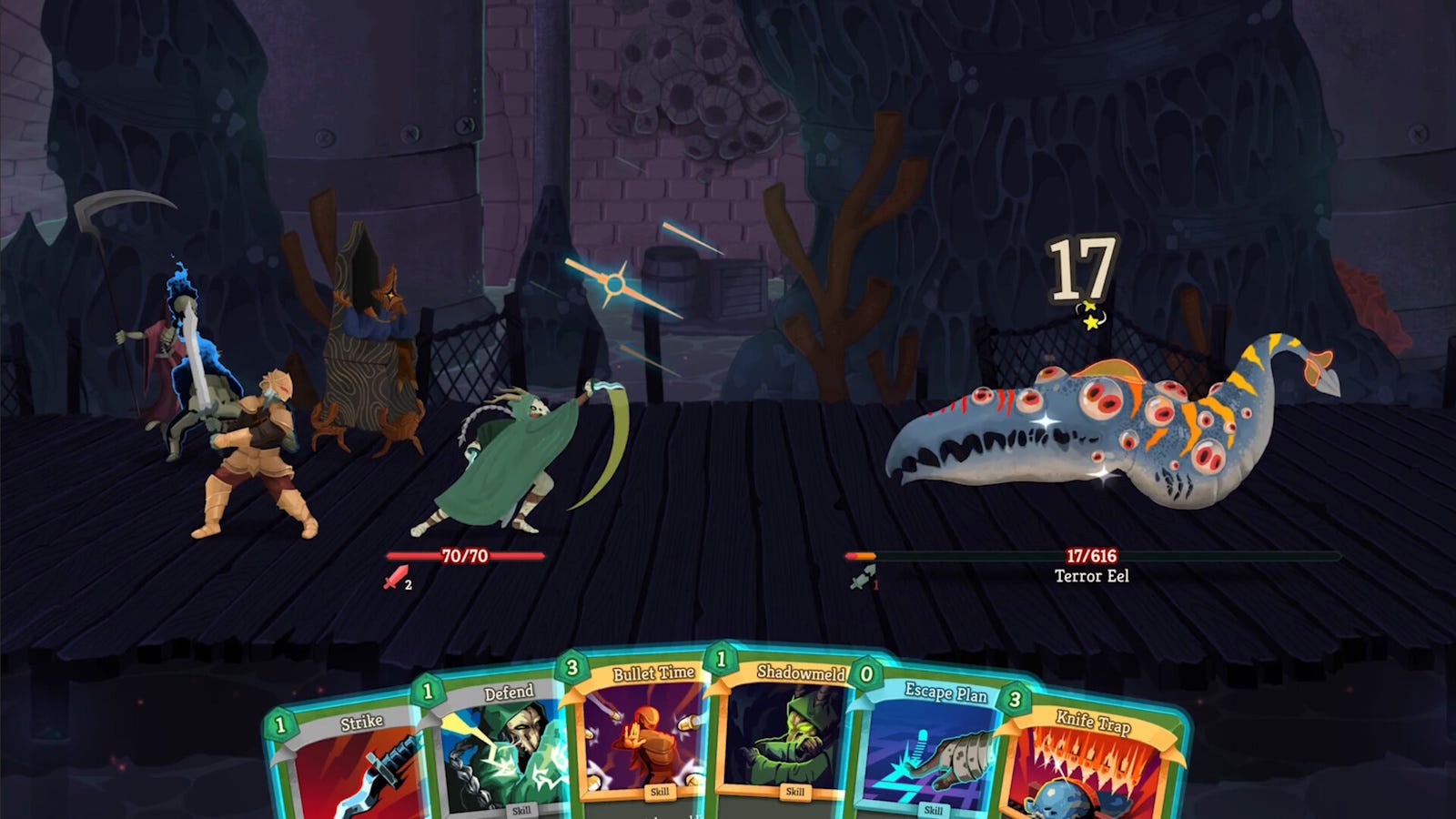
I have been binge-playing Slay the Spire 2 (StS2) over the weekend. Well, me and over half a million players apparently, according to Steam. At one point, there were almost 200K players. It’s an incredible start for a game that’s still in Early Access. But that shouldn’t come as a surprise to fans of the genre. Slay the Spire (2019) launched a thousand copycats, and more than likely the inspiration for the legion of roguelike deckbuilders that followed, from Balatro to Monster Train.
While there are plenty of placeholder images instead of the actual art, the core gameplay of StS2 looks done, and feels extremely polished. The user interface is mostly the same, but animations are fluid and the visuals are crisp. The developers are probably using Early Access to balance some of the enemies (here’s looking at you Bygone Effigy), but most of the new features, such as Timelines (a cool way to display the stuff you have unlocked, along with some lore snippets) and special events (short quests that require players to make a choice) appear good to go.
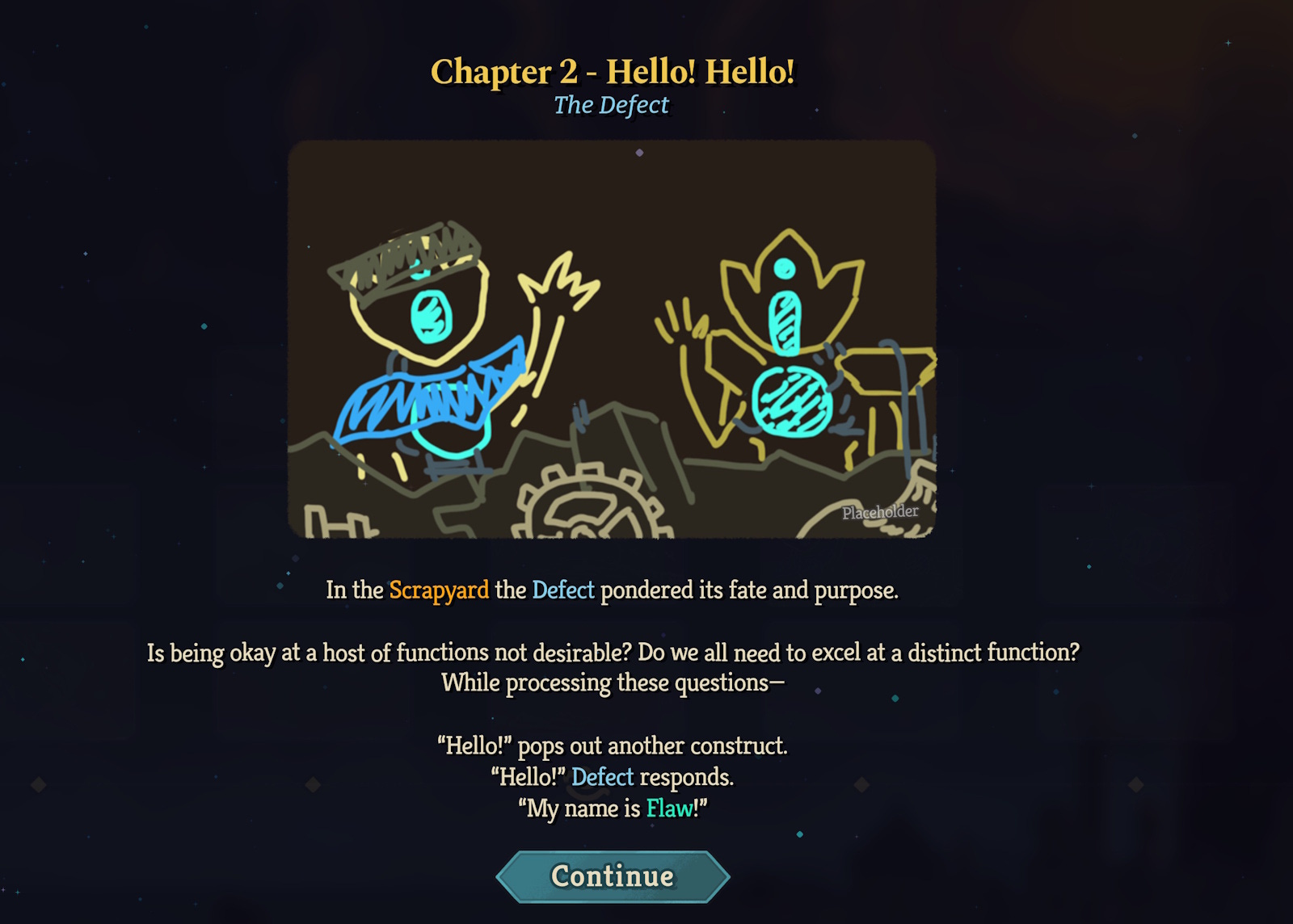
StS2 adds two new character classes (Regent and Necrobinder), along with three returning characters (sorry Watcher fans, she’s not in the game). All five classes have rather unique playstyles. The Regent has a new resource (stars) to manage, while the Necrobinder has a skeleton hand minion that can attack and take hits for the character.
But the biggest and in my opinion, the best change in StS2 is the addition of multiplayer. You can play with up to three friends online in a four-party run (alas there’s no local co-op). There are no restrictions on characters (you can have four of the same classes), and everyone progresses through the same route. However, enemies also scale up in terms of their health pool with more players.
The game offers some basic tools for communication. Basically, you can sketch on the map (makes for some interesting scrawls), vote on a preferred path, and play rock, paper, scissors to decide who gets a relic that’s wanted by more than one player. But there’s no built-in chat, so you probably want some form of voice chat in the background to optimise the teamwork. Hopefully, the developers can do more in this area before the full game launch.
That’s because there are specific multiplayer cards, like having a player take all the hits for the entire party or a certain attack doing more damage if other players have previously attacked the same enemy. This is on top of the standard game mechanics, like debuffs. For example, you may want to weaken an enemy first before the whole party starts wailing on it. But mostly, each player has to manage his own character, though at rest points, players can mend another player with critically low HP.
In short, multiplayer is tremendous fun. But the single player experience is still great, and clearly better than the original. As sequels go, Slay the Spire 2 doesn’t go off in a new direction, but further refines the core gameplay while granting the wishes of fans for multiplayer (there’s actually an official Slay the Spire board game from 2024 with up to four co-op players). I can’t wait to try out the additional stuff that’s slated for the official release.
And in other news this week, we tested Dyson’s new wet cleaner, tried out an expensive but really good massage chair, and went all in on AI with Arlo’s latest security camera.
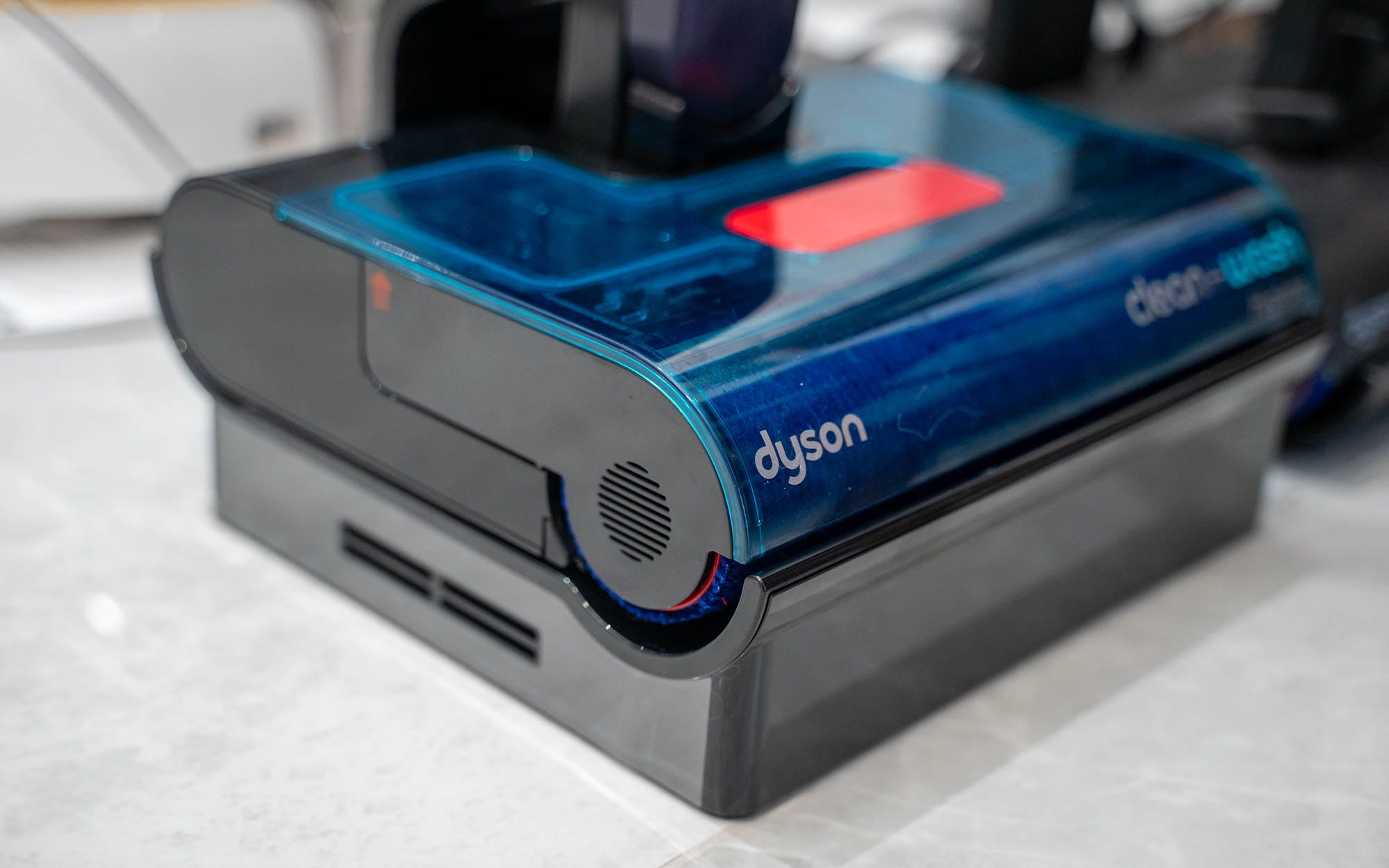
The Dyson Clean+Wash improves significantly on the previous WashG1 wet cleaner, while also launching at a lower S$729 price tag. For one, it now separates the debris and dirty water in a removable tray, which simplifies maintenance. There’s also a hot air dryer that dries the roller heads quickly to prevent mould growth, which is helpful in hot and humid Singapore. Lastly, the performance is good — the Dyson manages to clean everything from spilt food to cat vomit.
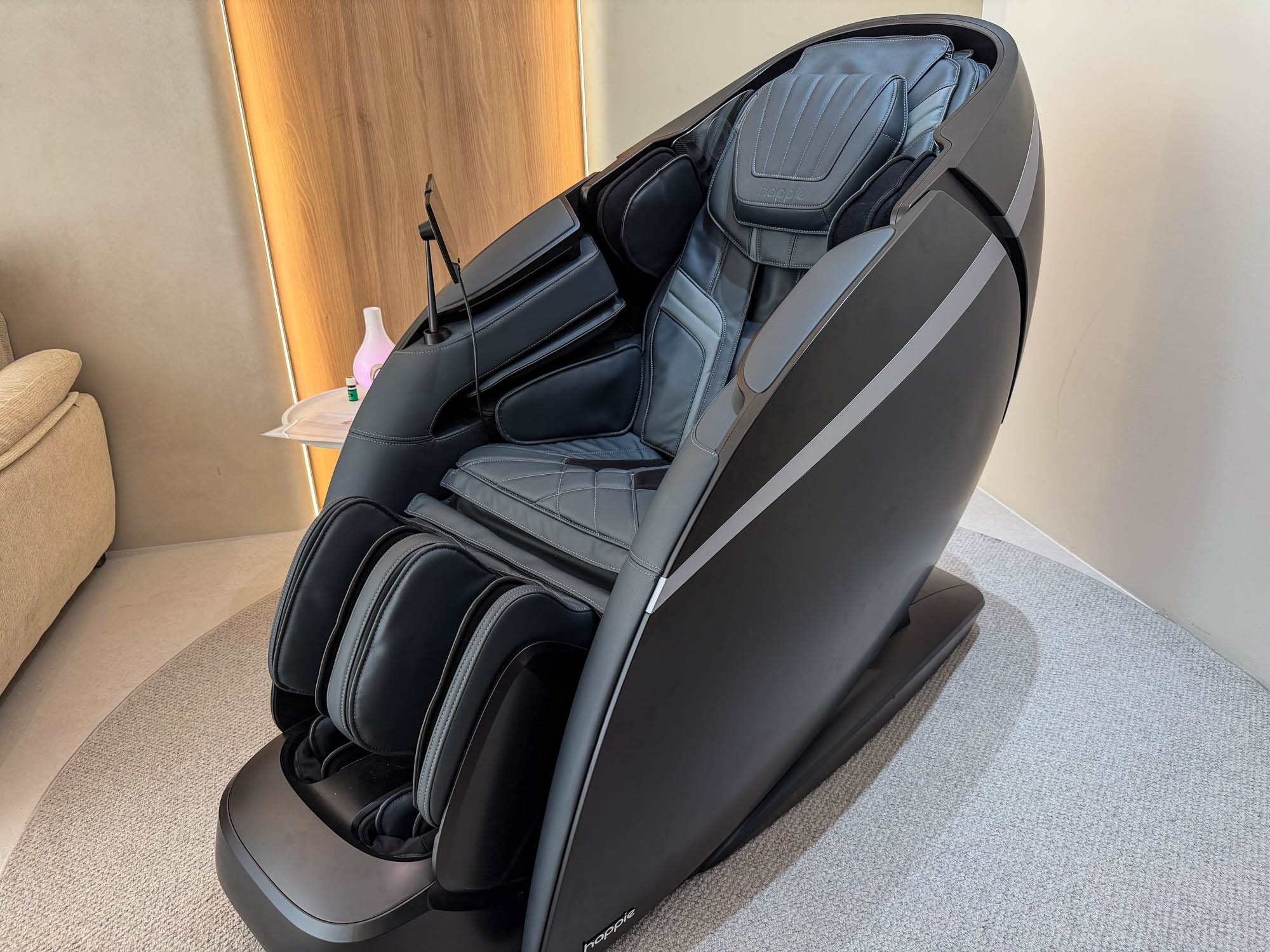
The Happie Cloud 9 massage chair is great, with piano-style massages that tap the arm, air cushions that mould themselves to your feet, and even a heat therapy function that warms your chest and back, and feels almost like a hug. Built-in Bluetooth play music as you relax, and there’s also wireless charging for your phone. While the Happie should fit most homes, it does cost quite a bit at S$13,888 (S$8,888 till end of March), though there’s also a cheaper Happie Cloud (S$4,888 until March 31) version.
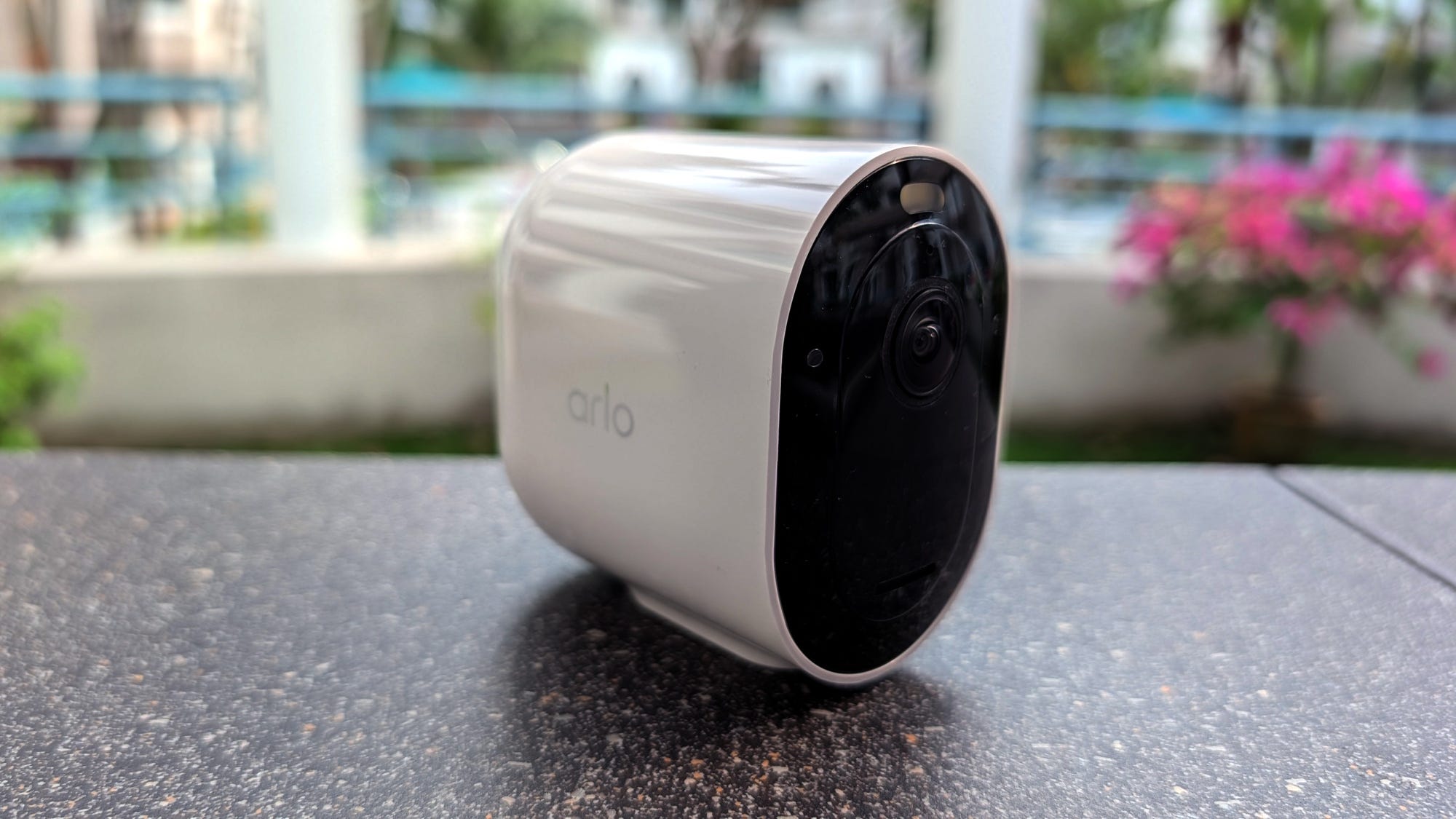
The latest iteration of Arlo’s signature battery-powered security camera is cheaper than before at S$199 (compared with S$329 for the previous version), while packing all the features you’d want in such a device. The new model switches to a more convenient USB-C charging port, and promises 15% improvement in battery life. But as usual, the magic is in the AI-powered features that you get only with a paid Arlo Secure subscription (a 30-day trial is included).