

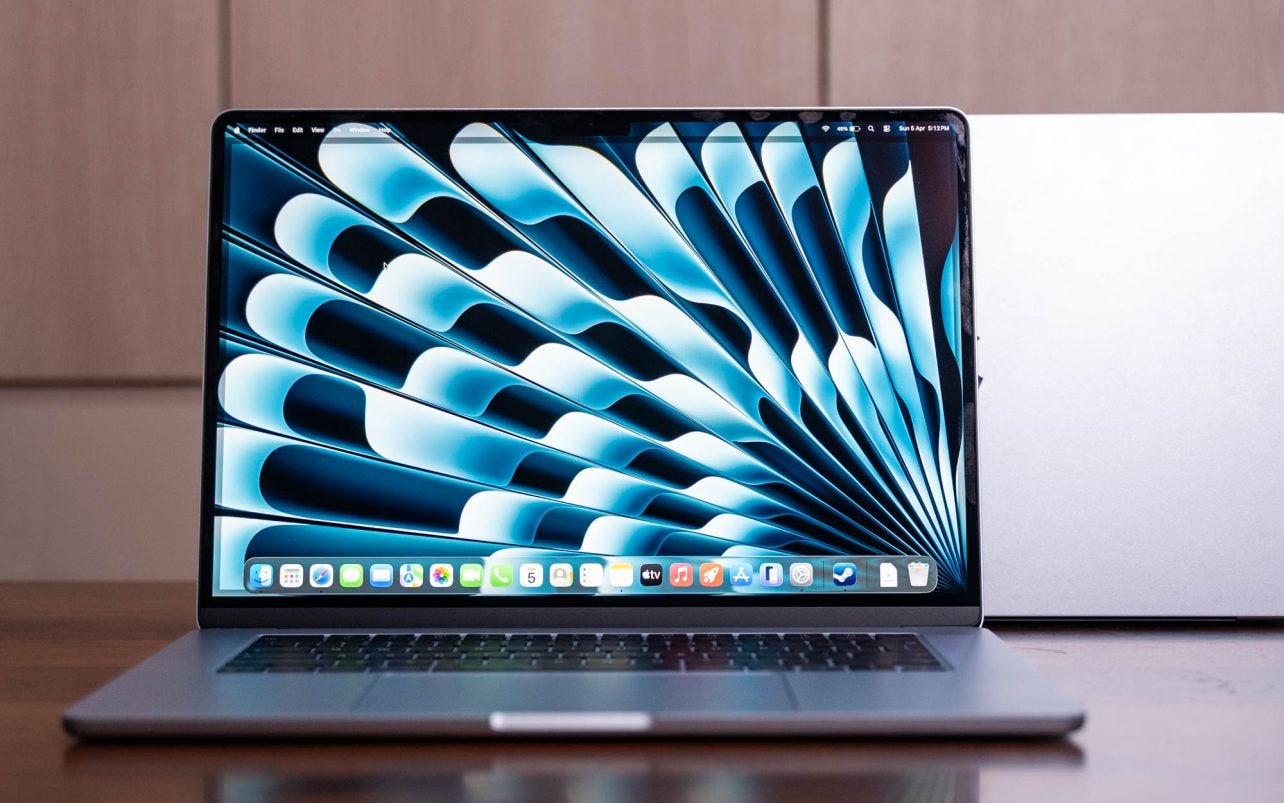
Before Apple’s biggest launch to date, I figured it would be a good time to take a quick retrospective look at everything that have been announced since the iPhone 17 series last year. Given that this launch is expected to be Apple’s largest lineup to usher in new CEO John Ternus’ tenure, here’s a quick rundown of the final Apple products under outgoing Tim Cook’s watch.
If there’s one standout product from Apple’s September 2025 launch, it’s actually the Apple AirPods Pro 3, which features top-of-the-line noise cancellation and good audio. Sure, you’ll need an iPhone to get the best out of them, but I have yet to find another pair of wireless earbuds that can compete on noise cancellation.
Then we have the Apple Watch Series 11, which comes with really minor updates to Apple’s wearables. But to be fair, the design is pretty refined by now after more than 10 generations, so any improvements will have to be really big to stand out. That said, the hypertension tracking is cool — it even warned me to seek medical attention, which I greatly appreciate.
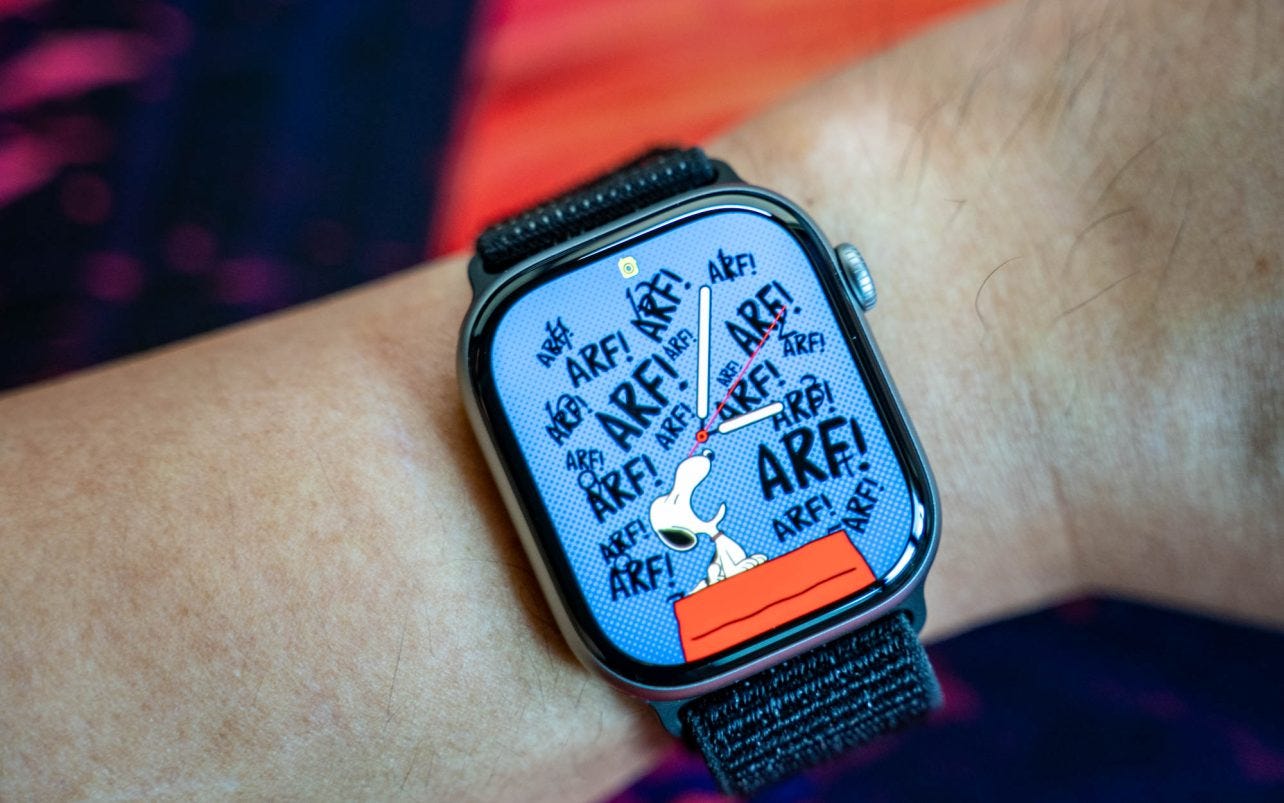
There’s also the Apple Watch Ultra 3, which comes with a bit more battery life and a slightly bigger display. I did not review this, since it feels more suited for a sports-focused person (and really, that’s not me). But maybe someday if I become an exercise nut, this may be something I want to try out.
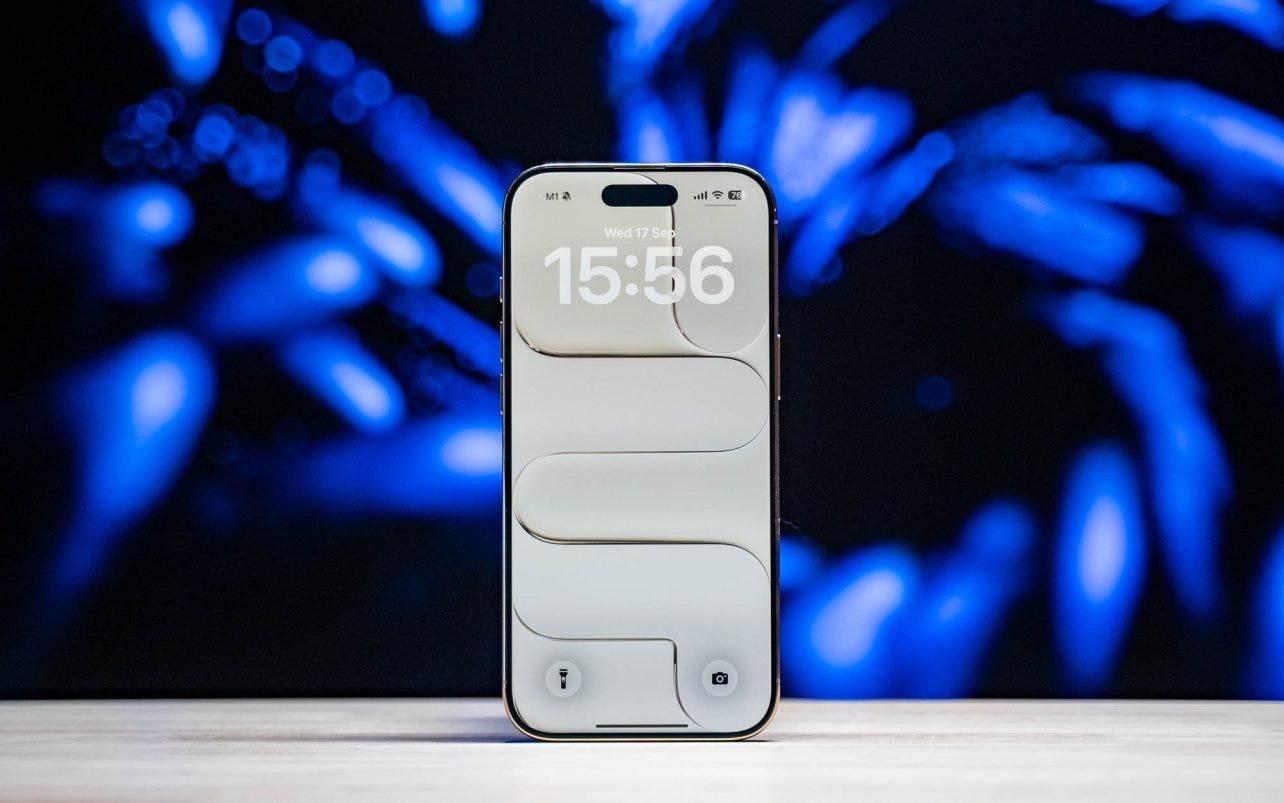
Moving on, we have the entire Apple iPhone 17 range, and while the 17 Pro and Pro Max are obviously great flagships, the base model is the best basic iPhone yet (till Thursday rolls around, perhaps). The iPhone Air is still one of my favourites, especially its thin design, but it needs better cameras if Apple wants more people to hop on board.
October 2025 saw the launch of the iPad Pro M5, Apple’s most powerful tablet yet. However, I can’t help but feel like the power is not being fully utilised yet. I do like that you can edit photos, then watch a movie or read a comic book right after. Also announced in that same month was the basic MacBook Pro with M5, which delivered pretty impressive performance for a “base” MacBook Pro.
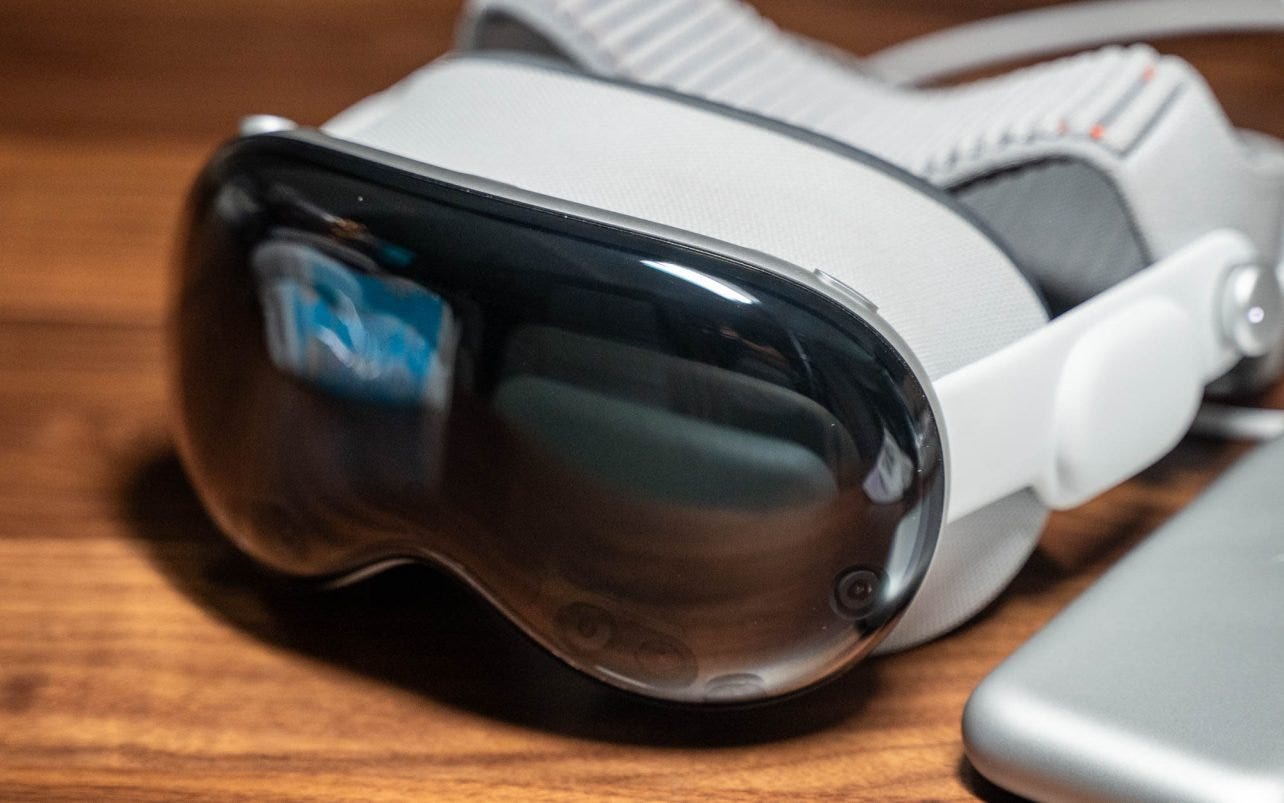
But my favourite October product is actually the updated Apple Vision Pro (M5), which came with the very comfortable Dual Knit Band. I do wish there’s more apps to use with the AVP, though, but it’s actually a great tool for productivity if you’re just using a MacBook with no external displays. Mac Virtual Display basically makes a giant floating screen for your MacBook, and is one of my preferred uses for this spatial computing device (besides using a virtual avatar for meetings, that is).
January 2026 saw the introduction of the second-generation AirTag, which featured a louder speaker to make finding easier. But it’s really March 2026 that saw Apple’s most talked-about product — the MacBook Neo. Despite being considered the most affordable MacBook yet, it offered impressive performance despite using an iPhone chip (Apple A18 Pro).
The MacBook Neo caught its competitors by surprise with its aggressive price point and performance, though we’re finally seeing Windows laptops starting to compete. Besides the Neo, the no-frills iPhone 17e also made an appearance alongside the M4-powered iPad Airs.
March also saw the M5 Pro and M5 Max chips appearing in the updated MacBook Pros, along with the MacBook Air (M5) and the updated Studio Display and Studio Display XDR. Unfortunately, if you didn’t get these at launch, they received a huge price bump in June, due to the global shortage for memory and storage that has caused prices to spike. Still, these are one of the best laptops to get, though you’ll probably have to take a hit on storage space now to keep within budget.
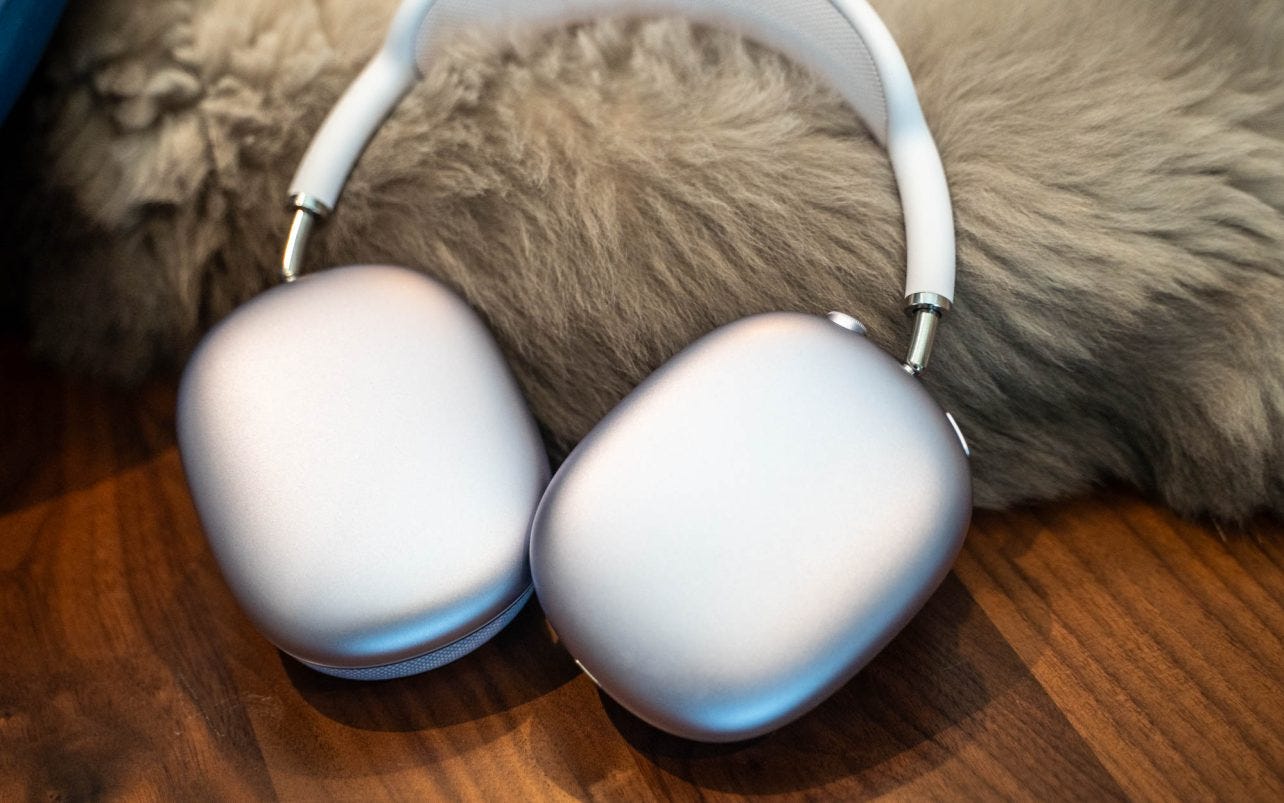
Lastly, there were the improved AirPods Max 2, which features better sound. Unfortunately, the battery life is still pretty short (20 hours), and repairability is still a concern if the mesh headband breaks. But the colours are really nice, and the noise cancellation remains one of the best I’ve tested.
This week, we gave our verdict on the more “affordable” of the two RGB Mini-LED TVs from Sony, tested Boya’s new entry-level AI note-taker, and busted out the Sony Reon Pocket Pro Plus to keep us cool.
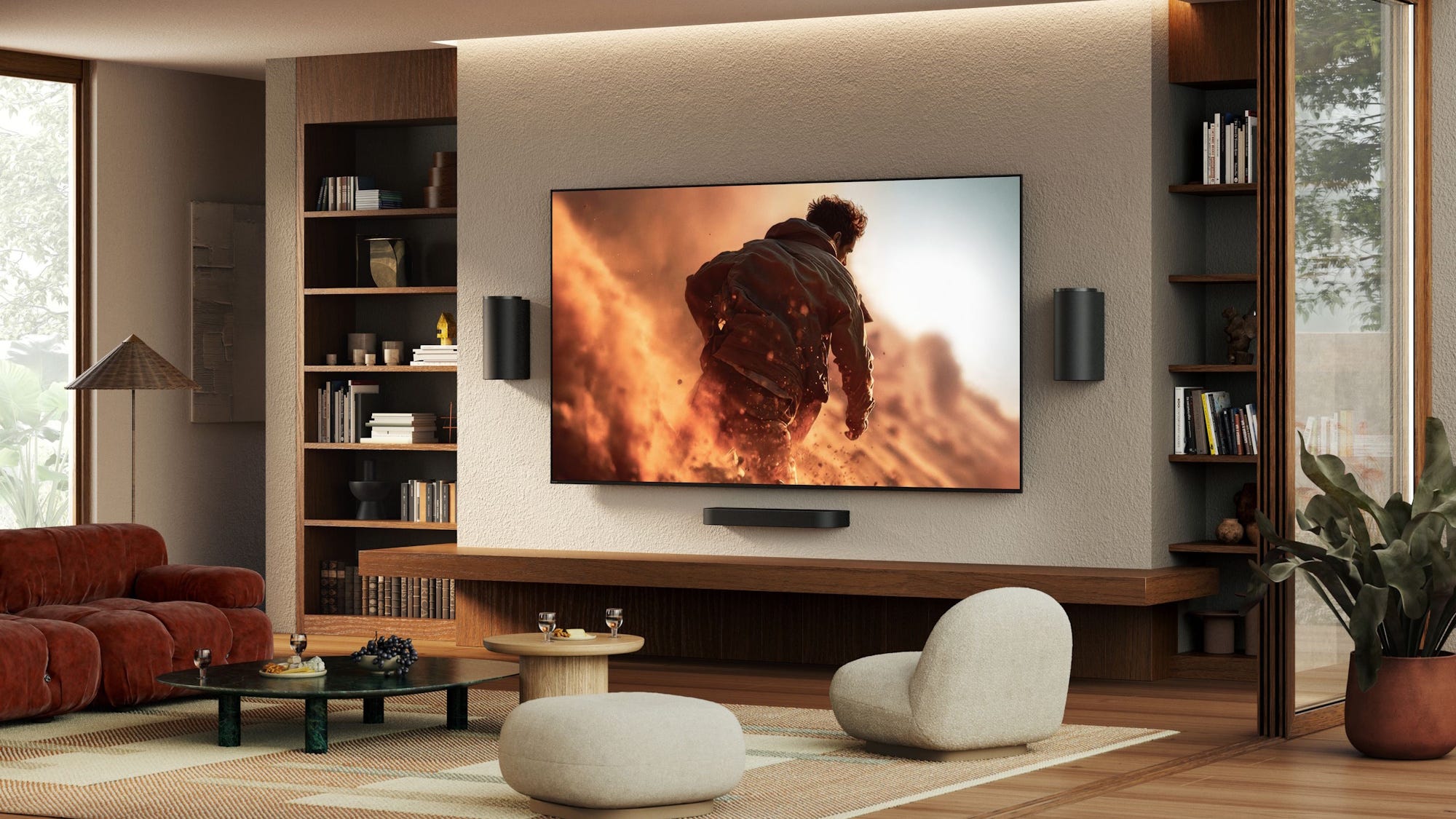
The Sony Bravia 7 II offers a new type of TV backlight technology that uses mini RGB LEDs instead of the usual white ones. Dubbed “True RGB” by the Japanese brand, the Bravia 7 II has its flaws, from middling reflection handling to colour cross-talk. But Sony still excels when it comes to picture processing, and the Bravia 7 II has few rivals for movie-watching.
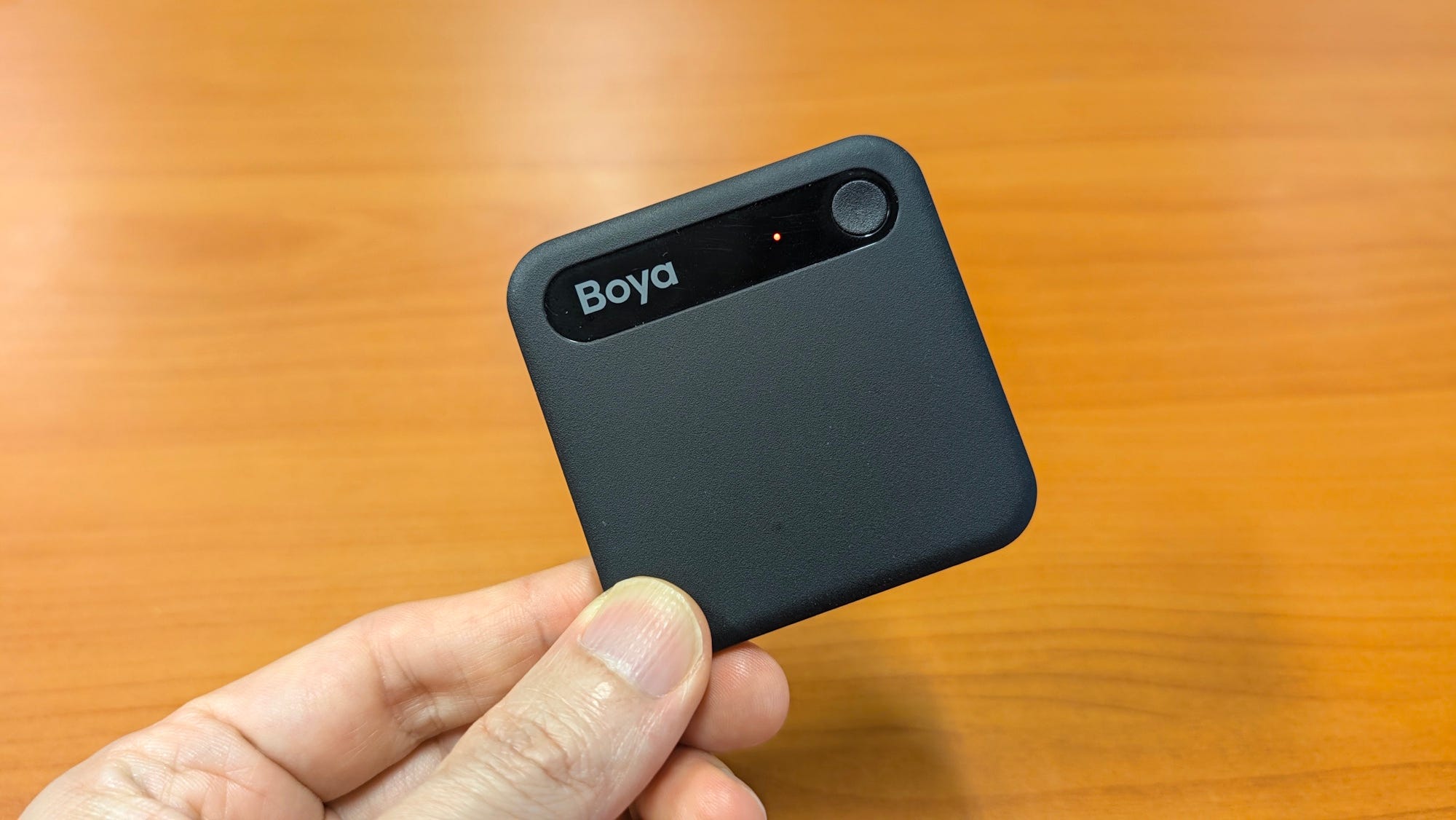
The Boya Notra Neo downsizes the hardware of Boya’s original AI note-taker to achieve a lower price point. So it has a shorter battery life and less storage. The design, though, remains similar, even if the plastic material of the Neo feels a lot cheaper than the original’s aluminium body. But you’re saving around S$90, which could be worth the trade-off for some.
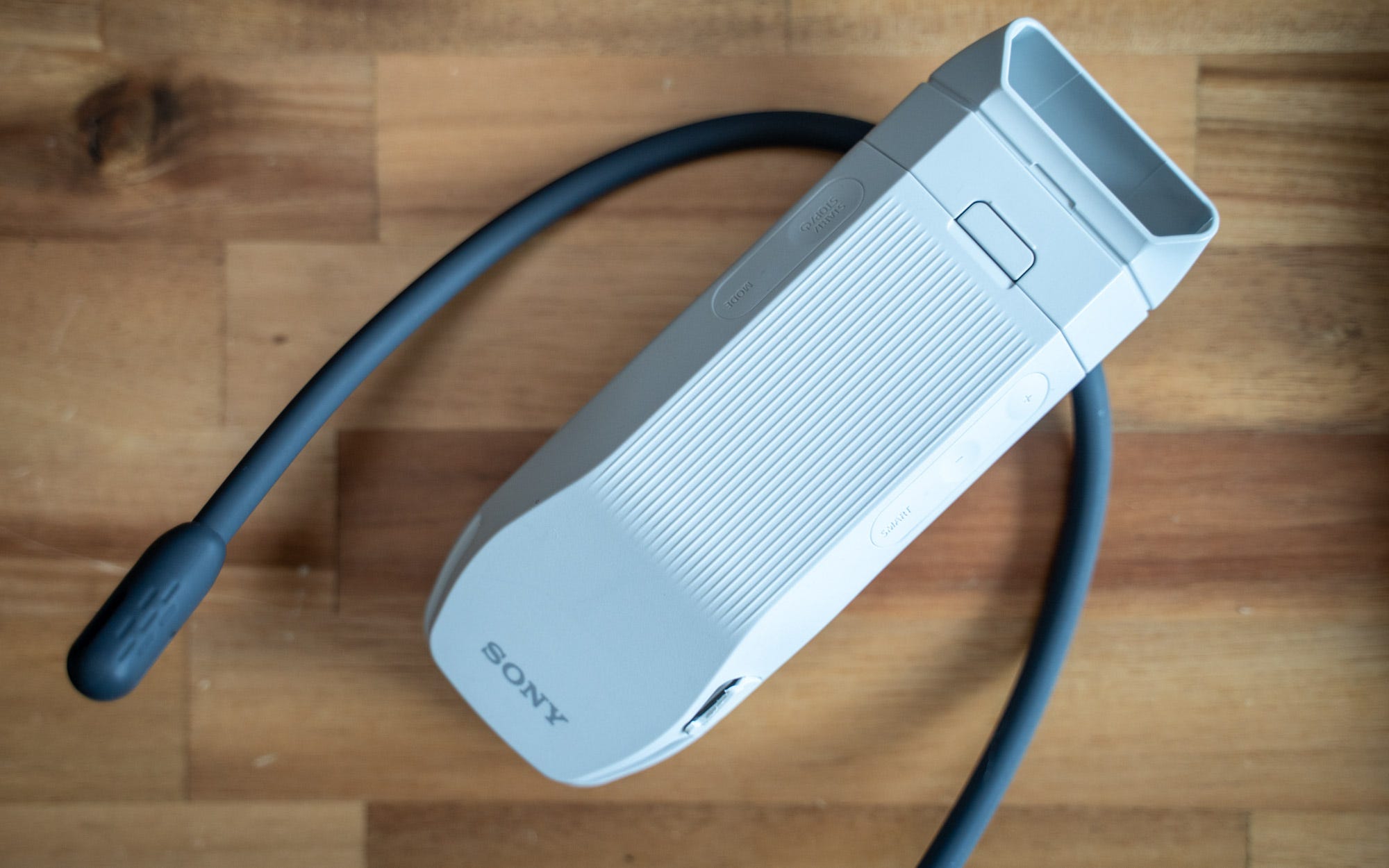
The Sony Reon Pocket Pro Plus is a neck cooler that sits under your shirt. It can cool to around 20 degrees Celsius, and operates quietly. It includes a separate tag that measures ambient temperature, and adjusts the cooling power of the Reon Pocket Pro Plus accordingly. And if you’re in a colder climate, the Sony can switch to warming the user instead of cooling them. Battery life, though, is a lot shorter when used for warming.