

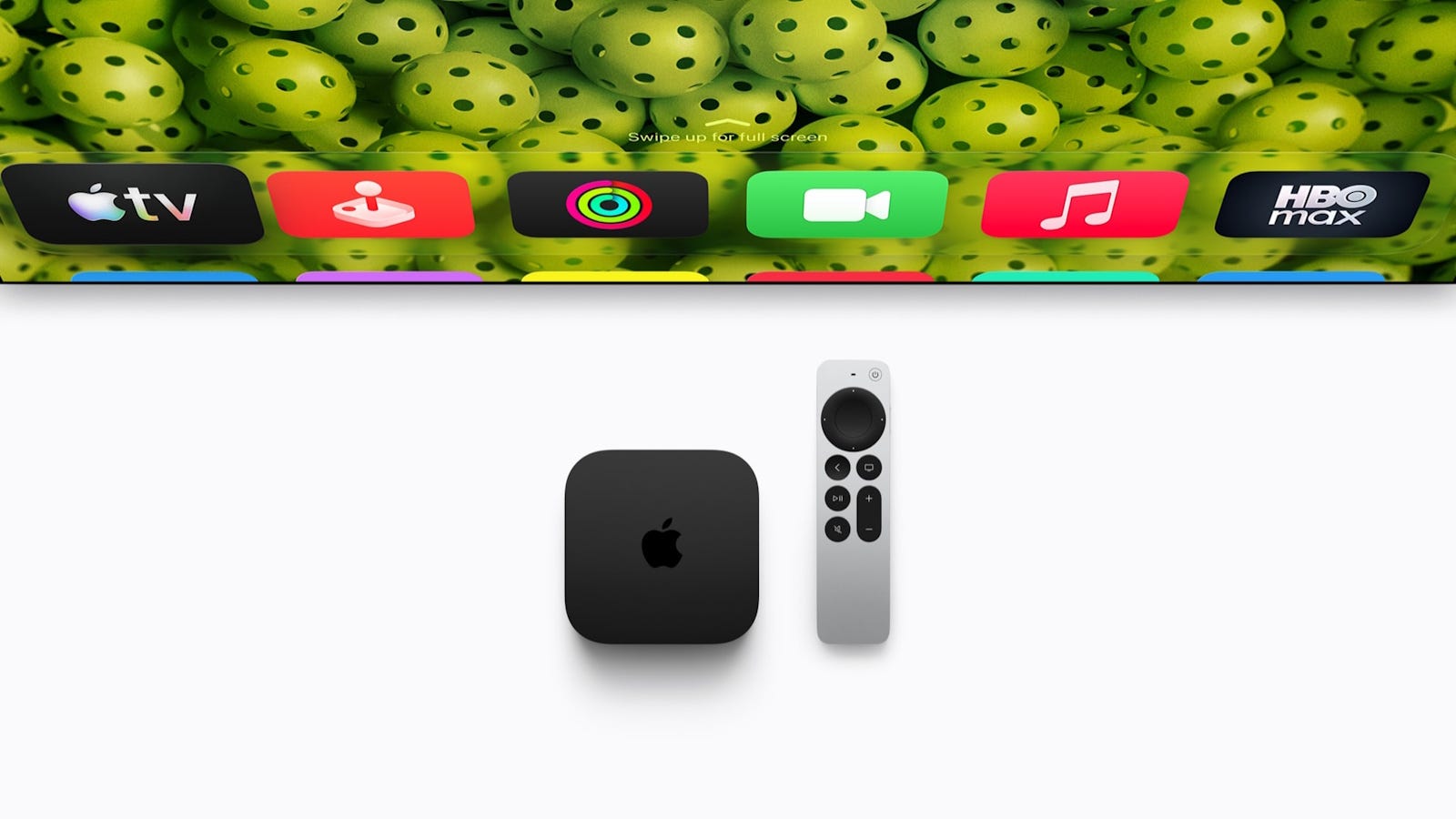
So Apple just refreshed its devices for the home (i.e Apple TV 4K and the HomePod speakers), and launched HomeView, its take on the smart home hub. There will also be an Apple Home Collection, a lineup of smart home accessories (cameras, temperature sensors and thermostats) designed with partners LG Electronics and Schneider Electric.
But the device I was most looking forward to was the new Apple TV 4K. Now, I’ll admit that I’m a new convert to Apple’s media streamer. Earlier this year, I finally caved in and bought the older 2022 Apple TV 4K — after the webOS interface on my LG TV became increasingly sluggish and bloated. The Apple TV 4K was definitely a big improvement, even if it lacked audio passthrough, a feature that was on my ancient pre-COVID Nvidia Shield TV Pro streamer. Audio passthrough is probably the one thing most TV enthusiasts wanted to see in the new Apple TV 4K.
Unfortunately, that didn’t happen. Instead, the new Apple TV 4K goes big on Siri AI. You get new far-field mics that lets you talk to Siri from your couch hands-free, without using the remote. The new remote, by the way, gets a Find My feature that can play a sound to help you locate it. But it still doesn’t have backlighting for when you’re watching a movie in the dark. I suppose Apple wants you to control the TV using your voice instead. There’s also Wi-Fi 7 support, which is admittedly a nice upgrade that will probably be overlooked by most folks.
And everything’s made possible by the powerful A19 chip (used in the iPhone 17) that can do all the AI stuff, and more importantly for the TV enthusiasts, has a dedicated AV1 decoder to make video streaming from YouTube and Netflix even more efficient.
On paper, the new Apple TV 4K is capable of doing all the things TV enthusiasts wanted. So it’s even more infuriating that Apple isn’t enabling any of them. There’s still no audio passthrough, while the refresh rate is 60Hz at 4K (no chance of getting 120Hz for your Apple Arcade games).
Siri AI is also coming to older Apple TV 4K (2nd gen or later), and requires the user to have an “Apple Intelligence-enabled iPhone or iPad running the latest software version”. Oh, and it’s currently available only in a few countries, including the US and Singapore, but with the EU notably missing from the list.
So you don’t even need the new Apple TV 4K for Siri AI, which, thanks to the memory shortage, is also significantly more expensive at S$399 for 128GB storage (there’s no 64GB model anymore). In comparison, a last-gen Apple TV 4K, which recently had a price hike, starts from S$229 for a refurbished 64GB version from Apple.
In other words, those that are looking to use the Apple TV 4K as a replacement for their slow or bloated TV interfaces or apps will be fine with the older version. Unless you really want Siri AI or keep losing the remote control. We can hope that Apple may update the software in the future to support features like audio passthrough, but I’m not holding my breath.
This week, we tried Apple’s new Studio Display, played the latest installment in the Fire Emblem series of turn-based tactical RPG, and sang our hearts out with JBL’s EasySing Mics.
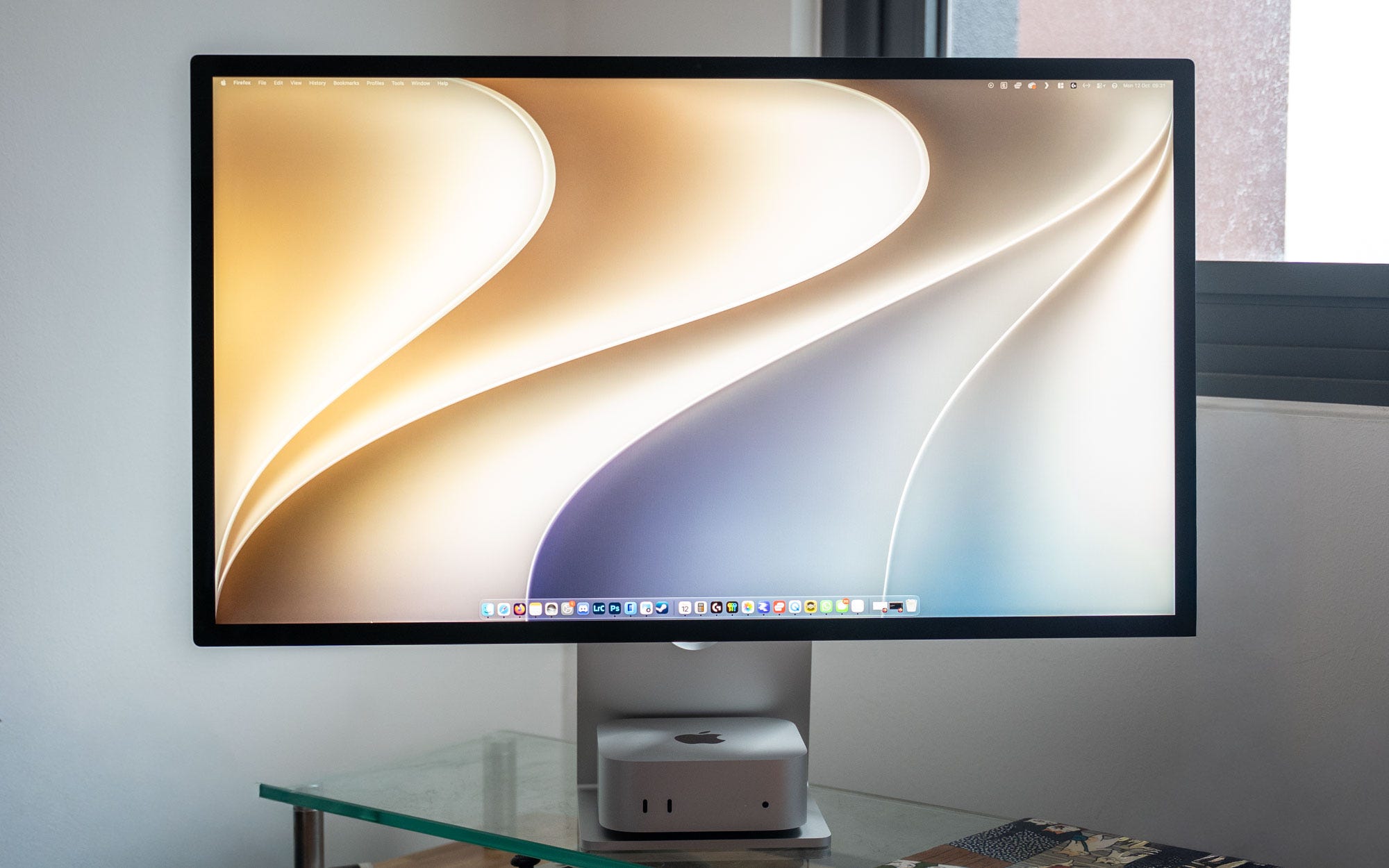
The new Apple Studio Display is still the same 5K LED-backlit panel with 600 nits of brightness, but you do get two Thunderbolt 5 ports, with one downstream port that lets you daisy chain to another monitor. The 12MP camera is improved, and works better in low light. There’s also better bass from the built-in speakers.

If you love turn-based tactical RPGs, Fire Emblem: Fortune’s Weave is a must-play. This Nintendo Switch 2 exclusive feels epic, with four hero paths to choose from, and challenging combat. There’s plenty of content, though the dungeon exploration is a miss. Overall, it’s fun, and looks great, though some parts of the game may feel repetitive.
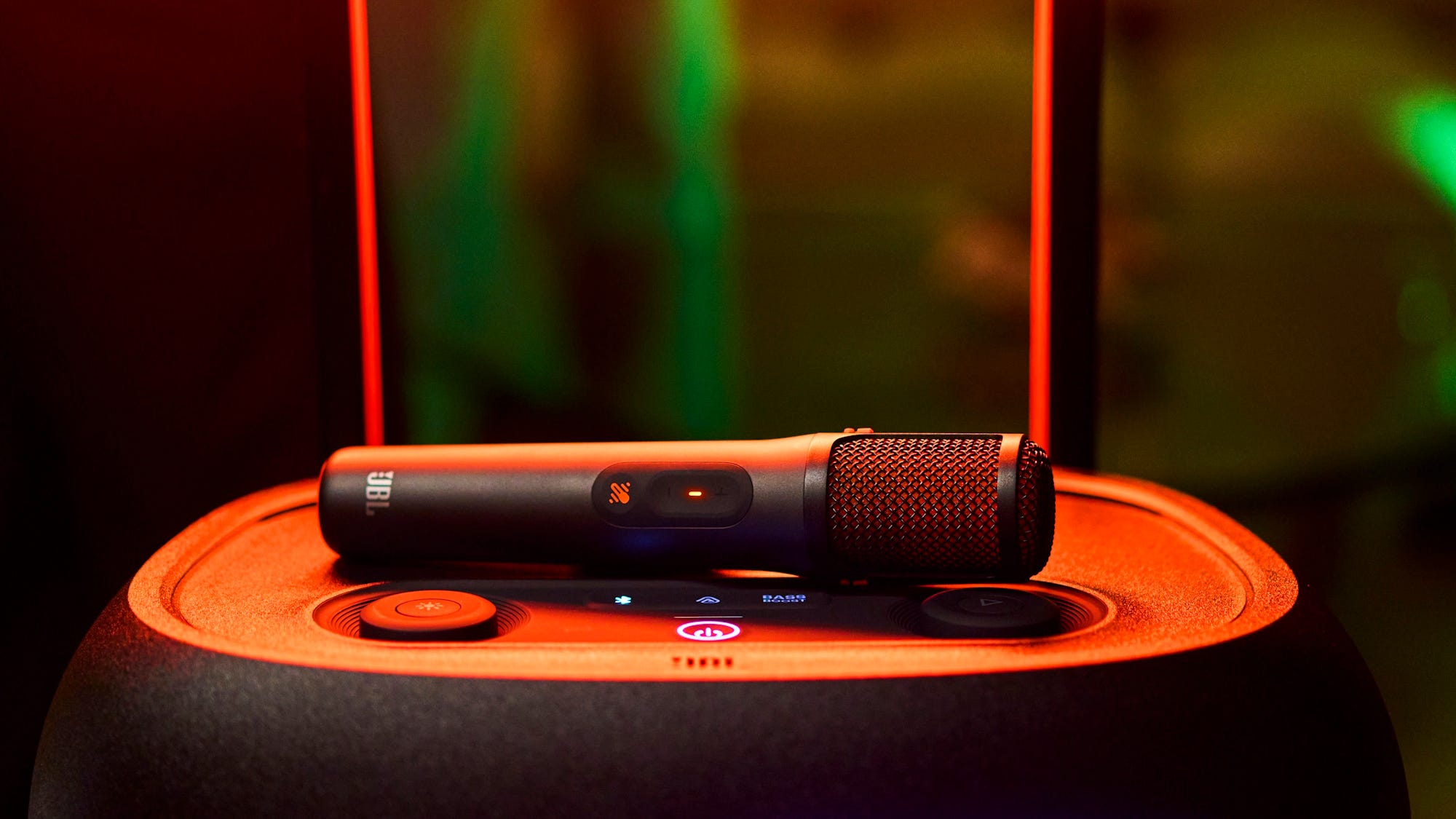
Karaoke doesn’t get much easier than with the JBL EasySing Mics, which uses AI to remove vocals from any song, and hence making them suitable for karaoke. You can also retain the original vocals, but at a lower volume, if you need some help. However, these mics work only with compatible JBL party speakers, which is probably why they are so easy to set up.